
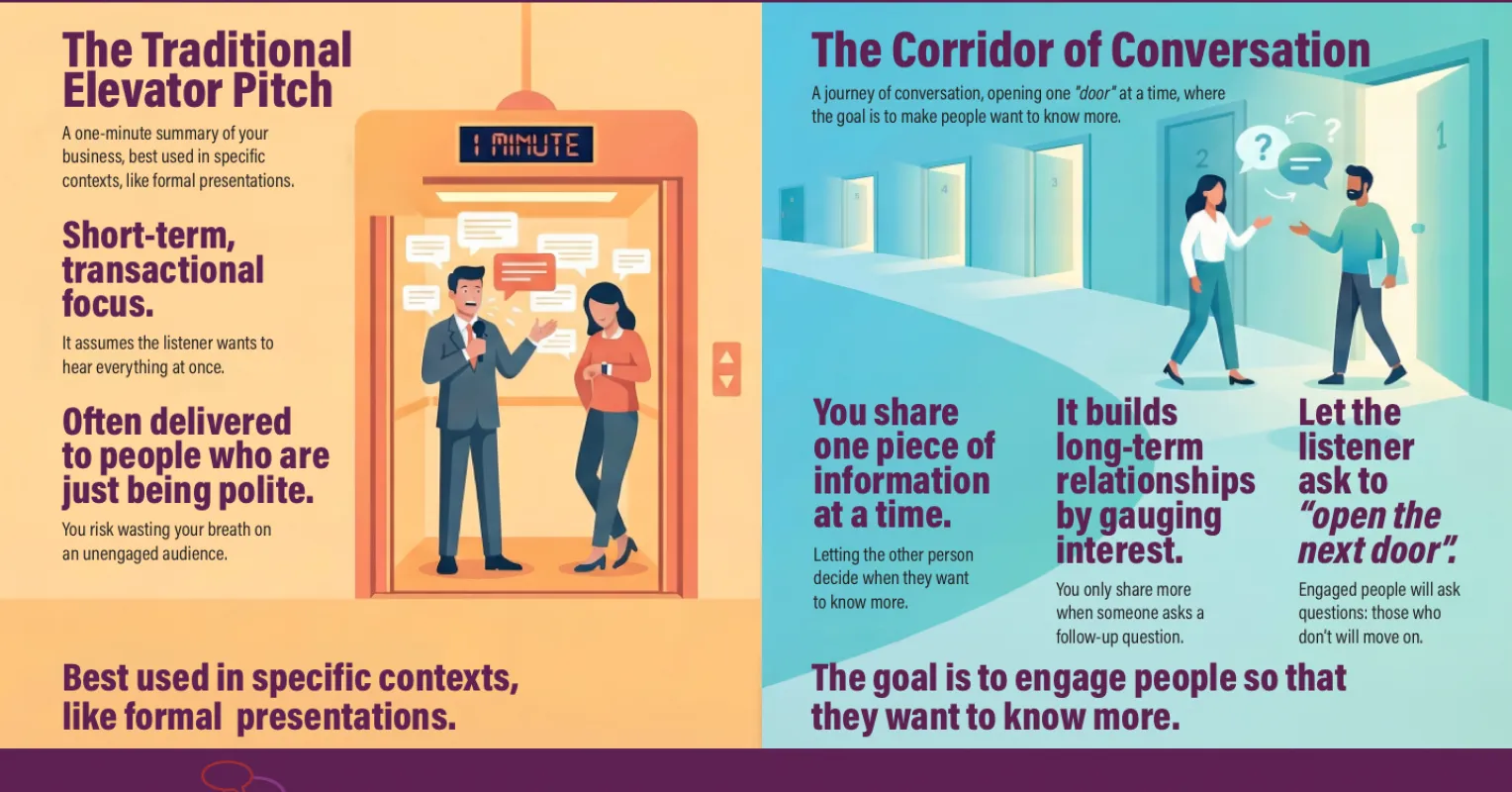
Have you ever found yourself puzzled when someone responds to your question with just a single word? Understanding ‘what does it mean when someone gives one-word answers’ can reveal deeper layers of communication that often go overlooked. It’s not merely about brevity; it hints at emotional states and relationship dynamics that may not be immediately apparent.
Direct Interpretation: Decoding One-Word Answers
One-word answers can feel deflating, especially after you’ve put effort into a question. Such brevity often signifies discomfort, disinterest, or even a desire to end the conversation quickly. The response ‘fine’ or ‘busy,’ for instance, could indicate that the person doesn’t want to share much or is feeling overwhelmed.
However, it’s crucial not to jump to conclusions. One-word responses can also stem from different motivations. Sometimes, the other person may simply be preoccupied with their thoughts, struggling to articulate emotions, or unfamiliar with the topic of conversation.

A closely related pattern appears in what does it mean when my partner insists I change my behavior, which adds more context to this behavior.
Why People Might Use One-Word Answers
There are various reasons why someone might choose to give brief responses. Emotional states like anxiety or fatigue can lead to a lack of engagement in conversations. People may resort to one-word answers when they’re feeling vulnerable or when they believe that sharing more would open them up to further questions.
Additionally, if someone feels pressured to respond, they might opt for brevity as a defense mechanism. In a social setting where they feel less comfortable, a quick response can serve as a way to quickly exit the conversation without engaging further.
A closely related pattern appears in what does it mean when my partner opens up after a fight, which adds more context to this behavior.
Differentiating Contexts: What One-Word Answers Might Mean
Understanding the context is key. For instance, a one-word reply from a close friend can denote playfulness or sarcasm, while the same response from a partner might signal something more serious, like frustration or hurt feelings. The intent can vary greatly based on the relationship between the two individuals and the situation at hand.
Moreover, cultural factors may also play a role. In some cultures, straightforwardness is valued, and one-word responses might not carry the same weight as they would in more conversational cultures. Identifying non-verbal cues accompanying the response, such as body language and tone, can provide insight into the true meaning behind the brevity.

A closely related pattern appears in what does it mean if I don’t connect with my assigned mentor, which adds more context to this behavior.
Avoiding Quick Assumptions: What Not to Conclude
It’s essential to tread carefully when interpreting one-word responses. Jumping to the assumption that someone is angry or disinterested can lead to unnecessary conflict. One possibility is that they simply need more time to process their thoughts before engaging in deeper conversation.
Moreover, individuals might react differently in various environments—what seems like disinterest in a social setting may genuinely reflect that person’s introverted nature. Before drawing any conclusions, consider checking in with them directly or observing how they interact in different contexts.
A closely related pattern appears in what does it mean when my wife processes emotions slower than I do, which adds more context to this behavior.
Understanding Patterns and Finding a Way Forward
Recognizing and understanding the pattern of one-word answers can enhance your communication strategy. If this behavior becomes a regular occurrence, it could be a signal to address potential underlying issues in the relationship. Offering open-ended questions or shifting the topic might encourage the other person to share more.
Ultimately, the goal should be to create a comfortable environment conducive to dialogue. Sometimes, just a simple acknowledgment of their response can pave the way for more profound conversation. Instead of focusing solely on their brevity, try to deepen the connection through empathy and patience.
A closely related pattern appears in what does it mean when someone withdraws after becoming close, which adds more context to this behavior.
Frequently asked questions
Why does someone give one-word answers?
One-word answers can signify discomfort, disinterest, or emotional overload. They might also reflect a person’s personality or the context of the conversation.
What does it mean when someone only gives one-word responses?
One-word responses may indicate a desire to disengage from the conversation or can stem from emotional stress. The context is crucial for understanding their intent.
Are one-word answers passive-aggressive?
Not necessarily. While they can sometimes signal frustration, one-word answers might also be innocent brevity or a simple reflection of someone’s mood at that moment.
Learn more:
About Us |
Editorial Policy |
Content Quality Standards |
Disclaimer