
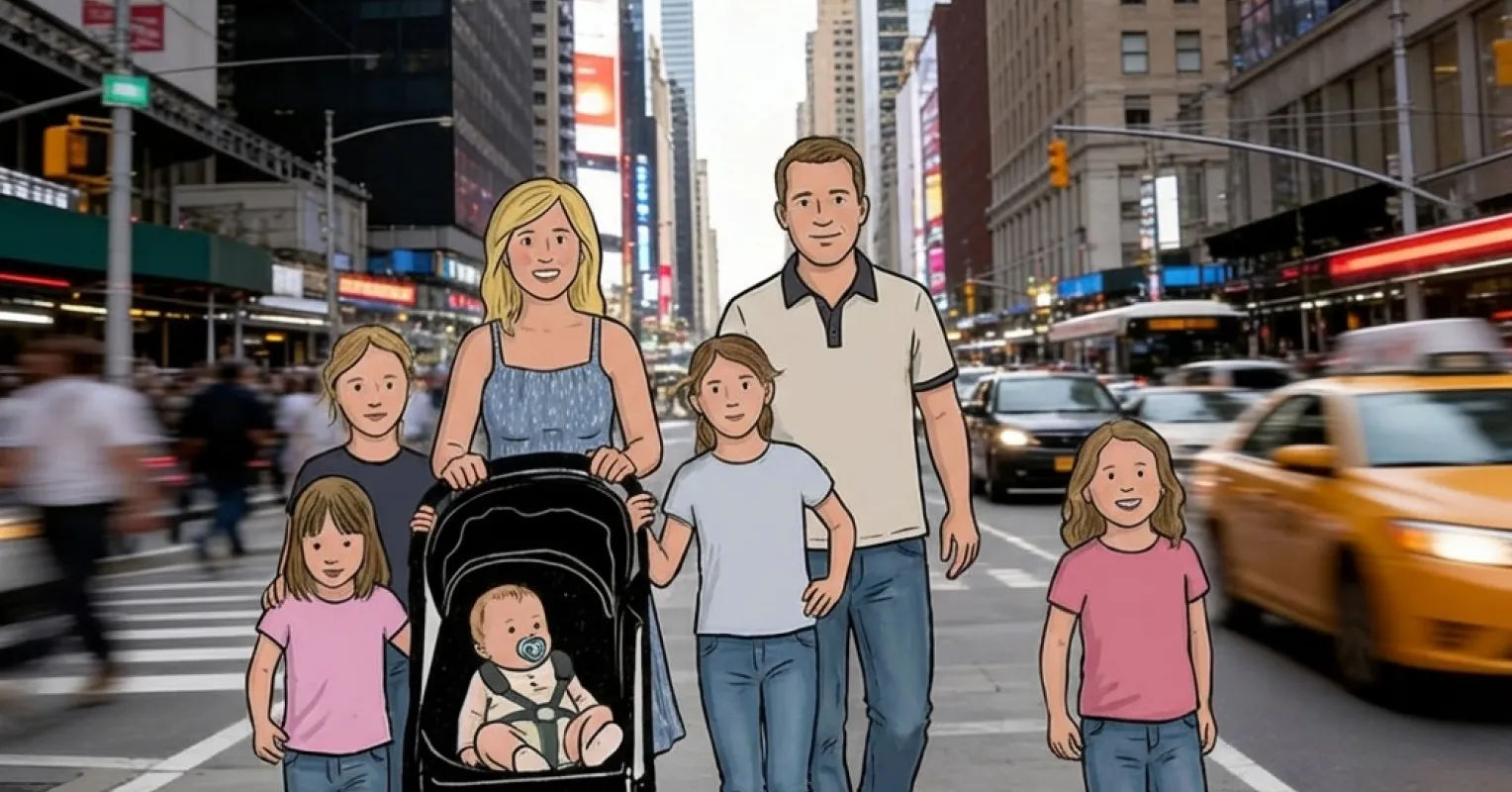
You may have noticed a subtle yet persistent feeling that you’re drifting apart from your children, even on the best of days. This disconnect often leaves parents confused and anxious. Why do some parents feel a disconnect with their kids despite spending time together? This article dives deep into that unsettling question, providing insights that may resonate with your experience.
Understanding the Disconnect
Feeling disconnected from your children can be bewildering. It may manifest as a sense of emotional distance, even when you’re physically present. In many cases, this disconnect may stem from unmet expectations or unaligned emotional needs, leading to a lack of effective communication.
Such feelings are more common than you might think. It can feel like a quiet undercurrent in the relationship; you may still love your child deeply, but the emotional connection seems to have frayed over time.

A closely related pattern appears in why do people marry to prove they are better than their parents, which adds more context to this behavior.
What Causes This Disconnect?
Several factors can contribute to this emotional chasm. Stress from daily life, work responsibilities, or personal issues can create barriers to genuine connections. You might also feel overwhelmed with parenting duties, leaving little room for emotional engagement.
Additionally, developmental changes in your child, such as adolescence, can shift their behavior. They may be seeking independence, which can be misinterpreted as disconnection, though it’s often a natural progression.

A closely related pattern appears in why do I overreact in my relationships due to my parents’ expectations, which adds more context to this behavior.
Context Matters: Individual Stories
Different family dynamics can heavily influence feelings of disconnect. For instance, cultures or family structures that emphasize strict roles may unintentionally discourage open emotional dialogues. If your upbringing did not prioritize expression of feelings, you might unknowingly carry that into your parenting.
Moreover, some parents find themselves in mismatched expectations. Perhaps you envisioned a close-knit family environment, but the reality involves friction and misunderstandings, leading to feelings of alienation.

A closely related pattern appears in how does childhood emotional neglect affect adult relationships, which adds more context to this behavior.
What Not to Assume
It’s essential not to jump to conclusions about your child’s feelings or your own role in the disconnect. Many parents anxiously assume that their children dislike them or have hardened hearts. However, children often grapple with their own emotions and struggles, which may manifest as withdrawal but do not equate to disconnection from love.
Similarly, blaming oneself as a parent can compound feelings of isolation. Recognizing that both you and your children can face emotional challenges can ease the pressure.
A closely related pattern appears in what if my stepchildren resist playing together, which adds more context to this behavior.
Finding Connection Again
To bridge the disconnect, consider making small, intentional efforts to foster emotional connections. Engaging in shared activities, establishing regular ‘family talks,’ or simply being available for non-judgmental conversations can work wonders.
Another effective approach is to openly share your feelings, even the hard ones. Your vulnerability may invite your children to open up as well, creating pathways back to each other.
A closely related pattern appears in why do I feel guilty for being sad in front of my kids, which adds more context to this behavior.
Frequently asked questions
What causes a lack of emotional connection?
A lack of emotional connection can stem from various sources such as stress, unmet expectations, and developmental changes in children. Identifying these factors can help address the disconnect.
Is it normal to feel disconnected from your children?
Yes, many parents experience feelings of disconnect at different stages of parenting. It’s often a reflection of external pressures or transitional phases in a child’s development.
How can I reconnect with my child?
Fostering connection might involve having open conversations, engaging in shared activities, or simply being present. Small, consistent efforts can lead to significant changes over time.
Learn more:
About Us |
Editorial Policy |
Content Quality Standards |
Disclaimer