

Many people experience a deep sense of hesitation when it comes to expressing their needs in relationships. If you find yourself wondering, ‘Why do I hesitate to express my needs in relationships?’, you are certainly not alone. This complex emotional dance often leads to miscommunication and frustration, leaving you feeling invisible or unheard.
Understanding the Hesitation to Express Needs
It’s common to feel anxious about opening up to your partner about your needs. You might worry that your feelings will come off as too demanding or that you might be met with disapproval. This hesitation can stem from early-life experiences where your needs may not have been validated or when seeking approval took precedence over expressing your true desires.
Many individuals, like Anna or David, carry silent scripts within them—beliefs that whisper, ‘My needs aren’t important’ or ‘I’ll be judged if I ask for what I want.’ This internal dialogue can become a formidable barrier. These scripts create a sense of fear around expressing needs, making it seem easier to remain silent than to risk rejection or judgment.

A closely related pattern appears in why do I feel my needs are secondary in my relationship, which adds more context to this behavior.
Why This Hesitation Happens
The reasons for your reluctance can be deeply rooted. They may be tied to past relationships or upbringing, where you may have felt unseen or unworthy of attention. Such experiences often lead to developing a mindset that prioritizes others’ comfort over your own needs.
In many cases, societal expectations also play a significant role. You might have been conditioned to think that needing something from your partner is a sign of weakness. This belief can create an emotional tug-of-war within, where the desire for connection collides with a fear of vulnerability.
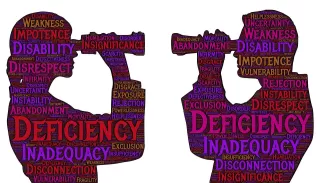
A closely related pattern appears in how do I communicate my needs without sounding demanding to my partner, which adds more context to this behavior.
What Your Hesitation Might Mean
Your struggle to express needs doesn’t necessarily mean there is something wrong with you. Instead, it might indicate a deep-seated fear of rejection or a history of experiences where your needs were overlooked.
This hesitation can also signal the presence of an unhealthy dynamic in your relationship. If you find that your partner consistently dismisses your needs, it may reflect larger issues such as inadequate emotional support or a lack of understanding.

A closely related pattern appears in what does it mean if I feel guilt when prioritizing my own needs, which adds more context to this behavior.
Common Signs of Hesitance in Expression
Look for patterns in your behavior. Do you often change the subject when your needs arise? Do you downplay your desires to avoid conflict? These signals may point to an ingrained fear of being vulnerable.
In some situations, you might notice physical signs of anxiety, such as a racing heart or hesitation to make eye contact when you consider expressing your needs. Recognizing these signs can be the first step in addressing the underlying issues.
A closely related pattern appears in why do I feel overwhelmed by my partner’s emotional needs, which adds more context to this behavior.
Taking Steps to Communicate Your Needs Clearly
Start small. Practice articulating your feelings in low-stakes situations before tackling more significant issues. This might involve sharing a preference about a weekend plan or expressing a simple desire for more affection.
Consider journaling your thoughts to clarify your feelings before discussing them with your partner. Creating a safe space for conversation where both partners can express needs without fear of judgment is also crucial. Building trust takes time, but taking these steps can foster a healthier dynamic.
A closely related pattern appears in what does it mean when your partner avoids discussing their needs, which adds more context to this behavior.
Frequently asked questions
What is the 3 6 9 rule in relationships?
The 3 6 9 rule suggests dedicating three minutes to listen, six minutes to share your thoughts, and nine minutes for collaborative solutions, creating a balance in expressing needs.
Why do I struggle to express my needs?
Struggling to express needs often stems from early life experiences and societal conditioning that emphasize the importance of others’ comfort over your own desires.
What are 3-4 warning signs of an unhealthy relationship?
Warning signs can include consistent dismissiveness of your feelings, lack of open communication, avoidance of conflict, and feelings of ongoing anxiety or discomfort.
Learn more:
About Us |
Editorial Policy |
Content Quality Standards |
Disclaimer