
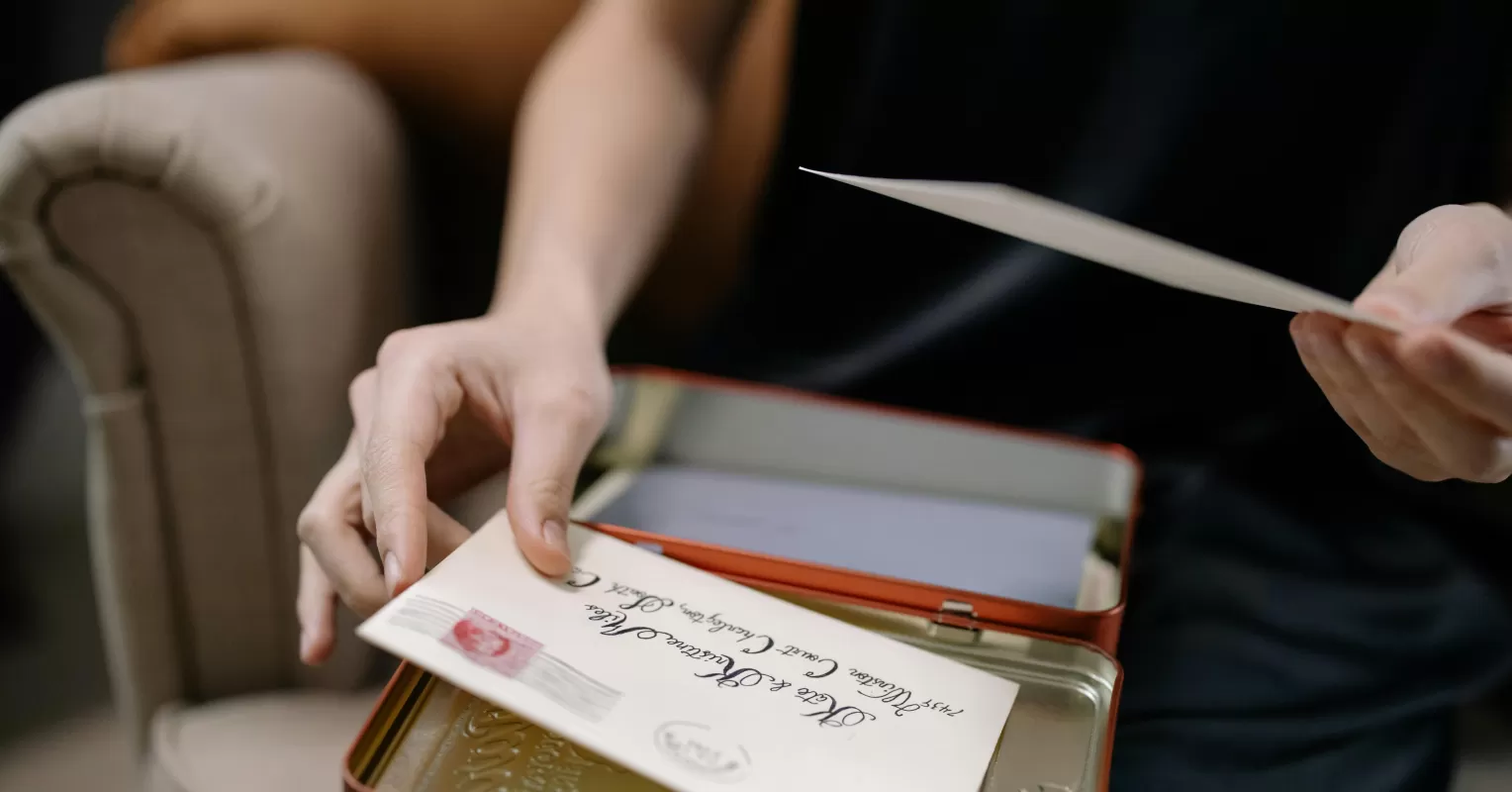
Have you ever sat down to write a letter to someone you genuinely care about, only to feel a wave of vulnerability wash over you? This experience can be baffling yet deeply relatable. The emotional weight behind expressing your feelings on paper often sparks anxiety, fear, or even hesitation. Understanding this vulnerability is the first step to embracing it.
Understanding the Vulnerability of Writing
Writing a letter to someone you care about isn’t just putting words on a page; it feels like sharing pieces of your soul. This act of communication holds a mirror to your emotions, exposing insecurities and fears. It’s natural to feel exposed when opening up to someone, especially when the stakes of the relationship are high. Vulnerability arises because you’re laying bare your thoughts, making yourself open to judgment or rejection.
The act can be cathartic but intimidating. You’re essentially offering a part of yourself that may be at risk of being misunderstood or dismissed. This juxtaposition of wanting to connect yet fearing vulnerability can make the writing process feel even heavier.

A closely related pattern appears in why am I more vulnerable with my partner than anyone else, which adds more context to this behavior.
Why This Vulnerability Happens
Your vulnerability when writing might stem from several factors. First, the deeper the relationship, the more significant the impact of your words. You may worry about saying the wrong thing or not fully conveying your feelings, leading to self-doubt and anxiety.
Moreover, past experiences heavily influence how we perceive vulnerability. If previous attempts at sharing your feelings were met with indifference or harsh judgment, that history can cast a long shadow over your current efforts. It’s almost as though past hurts whisper reminders of what could go wrong, making it difficult to stay present in the moment.
A closely related pattern appears in why do I fear being vulnerable with my partner due to perfectionism, which adds more context to this behavior.
Different Meanings of Vulnerability in Context
The meaning of vulnerability can shift depending on the relationship context. In romantic settings, it might signal a deep trust and intimacy, leading to stronger connections. Alternatively, in casual relationships, expressing vulnerability might feel awkward or misplaced, creating a sense of disconnect.
Additionally, cultural factors can play a role. Some cultures value emotional openness while others promote stoicism, influencing how individuals interpret their own vulnerability. Understanding that the emotional landscape varies can offer you insights into your experience and help you navigate your feelings more compassionately.

A closely related pattern appears in why do I feel the need to be perfect like my parents expected me to be, which adds more context to this behavior.
What Not to Assume About Vulnerability
It’s easy to assume that feeling vulnerable is a sign of weakness. This is a misconception; vulnerability is a bedrock of authentic relationships. Instead of viewing it as a hindrance, consider it a pathway to deeper connections. Remember, many people share this experience and can resonate with the feelings of uncertainty that accompany emotional openness.
Moreover, do not assume that your feelings of vulnerability indicate that there’s something wrong with you. Instead, acknowledge that vulnerability is a natural, human emotion. Accepting it can be the key to allowing your genuine self to shine through in your writing.
A closely related pattern appears in why do I feel the need to seek validation from AI instead of friends, which adds more context to this behavior.
How to Navigate Your Vulnerability in Writing
Start by reframing your thought process. Instead of viewing writing as a high-stakes performance, see it as an opportunity for growth and connection. Focus on authenticity over perfection; the essence of your message is more important than flawless grammar.
Consider jotting down your thoughts freely before crafting the final version. This method can help lighten the pressure and allow your true feelings to emerge more naturally. Eventually, treat your letter as a bridge, linking you to the person you care about, rather than just mere words on paper.
A closely related pattern appears in why do I feel like the ‘lost child’ in my family and how does it affect my relationships, which adds more context to this behavior.
Frequently asked questions
What are signs of emotional vulnerability?
Signs of emotional vulnerability may include feeling anxious or nervous about expressing your feelings, hesitance to open up to others, or being deeply affected by others’ reactions. This can manifest in emotional discomfort when discussing personal feelings or concerns.
How to show vulnerability in writing?
To show vulnerability in writing, be honest about your feelings and thoughts. Share authentic experiences and avoid self-censorship. The more open and genuine you are, the more your reader will connect with your message.
Learn more:
About Us |
Editorial Policy |
Content Quality Standards |
Disclaimer