
Ever find yourself feeling an overwhelming urge to defend your words or actions, even when the situation doesn’t seem that serious? You’re not alone. This feeling can be confusing and frustrating, often leaving you wondering why you react this way. Understanding the reasons behind this defensiveness can shed light on your relationship dynamics and emotional patterns.
Understanding the Need to Defend Yourself
Feeling the need to defend yourself often stems from a deep-rooted instinct to protect your self-image and emotional well-being. This reaction can manifest in various situations, from casual conversations to more intense discussions. You might find yourself quickly justifying your actions or words, even when the other person isn’t attacking you directly. This defensiveness can be a signal of underlying insecurities or past experiences influencing your current interactions.
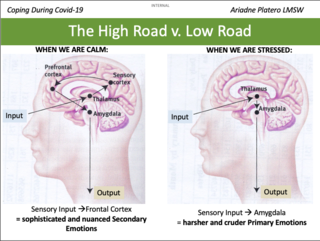
In many cases, this behavior isn’t just about the present moment; it can be a reflection of past conflicts or unresolved feelings. When you feel criticized or misunderstood, your brain may automatically trigger a fight-or-flight response, leading you to react defensively. This instinctual response can make it challenging to engage in open and constructive dialogue.

A closely related pattern appears in why do I feel the need to help everyone, which adds more context to this behavior.
Why Do These Feelings Arise?
Several factors can contribute to the need to defend yourself. One possibility is that you might have experienced situations in the past where your opinions or feelings were invalidated, leading to a heightened sensitivity to criticism. This can create a cycle where you feel compelled to protect yourself at all costs, even when the threat isn’t as significant as it seems.
Additionally, social dynamics play a crucial role. If you’re in a relationship where open communication doesn’t feel safe, you may develop a habit of defensiveness as a protective mechanism. This pattern can create misunderstandings and escalate conflicts, making it harder to connect deeply with others.
A closely related pattern appears in why do I feel the need to be perfect, which adds more context to this behavior.
Different Contexts and Their Meanings
The context in which you feel the need to defend yourself can greatly influence the meaning behind your reaction. For instance, in a romantic relationship, defensiveness might signal deeper issues, such as fear of abandonment or lack of trust. In friendships, it could indicate a struggle for validation or a desire to maintain your self-image.
Understanding these nuances can help you navigate your feelings more effectively. Recognizing that your defensiveness may not always be about the current situation can provide valuable insight into your emotional landscape and relationship dynamics.
A closely related pattern appears in why do I feel the need to be validated, which adds more context to this behavior.
What Not to Assume Too Quickly
It’s important not to jump to conclusions about your defensiveness or the motives behind it. For example, just because you feel defensive doesn’t mean the other person is attacking you. They might simply be expressing a different viewpoint or asking for clarification. Misinterpreting these situations can lead to unnecessary conflict and emotional distress.
Moreover, don’t assume that your defensiveness is a sign of weakness. In many cases, it can be a natural response to feeling vulnerable. Acknowledging this can help you approach conversations with a more open mindset, allowing for healthier communication.
A closely related pattern appears in why do people feel the need to be right, which adds more context to this behavior.
How to Navigate Your Defensiveness More Clearly
To better understand and manage your need to defend yourself, consider taking a step back during conversations. Allow yourself to pause and reflect before reacting. This can help you process your emotions and respond more thoughtfully rather than impulsively.
Additionally, practicing self-compassion can be beneficial. Recognizing that it’s okay to feel defensive and that it doesn’t define your worth can create a more balanced perspective. Engaging in open conversations with trusted friends or loved ones about your feelings can also foster deeper connections and understanding.
A closely related pattern appears in why do I feel like I need to prove myself, which adds more context to this behavior.
Frequently asked questions
Why do I feel defensive even when I know I’m right?
Feeling defensive, even when you believe you’re right, can stem from past experiences where your opinions were dismissed. This reaction often signals a deeper emotional response rather than a logical one.
How can I stop being defensive in conversations?
To reduce defensiveness, practice active listening and take pauses before responding. Reflecting on your feelings and understanding their roots can also help you engage more openly in discussions.
Learn more:
About Us |
Editorial Policy |
Content Quality Standards |
Disclaimer