
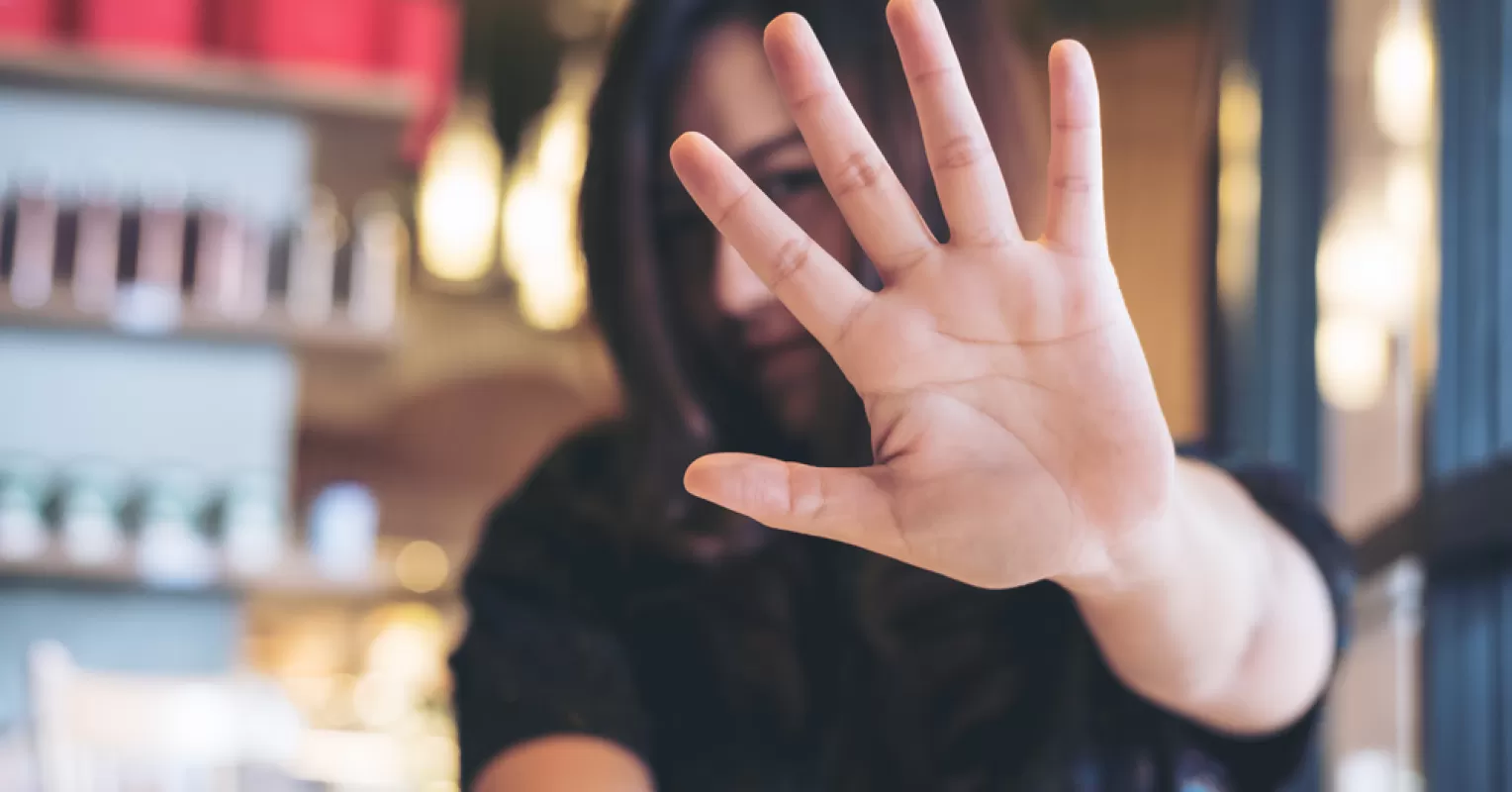
If you’ve ever felt a weight in your chest when it comes to sharing your true self with your partner, you’re not alone. The intense fear of vulnerability in relationships can leave you paralyzed, even if there’s no direct threat. This profound fear might confuse you, especially when everything seems fine on the surface. So why exactly do you feel this way?
Understanding the Fear of Vulnerability
Feeling an intense fear of vulnerability often stems from deep-seated worries about emotional exposure. You might fear judgment, rejection, or even the potential to be hurt. This apprehension can create a significant barrier, pushing you away from meaningful connections, even if you crave them. In relationships, vulnerability is a crucial element that fosters intimacy, but for many, it feels like an uncomfortable leap into the unknown.
This fear may manifest subtly, causing discomfort when discussing feelings or hesitance when engaging in deeper conversations. The irony lies in the fact that your instinct to protect yourself can end up isolating you further from those you want to connect with.

A closely related pattern appears in why do I fear being vulnerable with my partner due to perfectionism, which adds more context to this behavior.
Why This Fear Might Happen
There are various reasons why the fear of vulnerability might take root in your psyche. Past experiences play a crucial role; perhaps you’ve been hurt in previous relationships or let down by those you trusted. It’s possible that a betrayal or abandonment has shaped your current beliefs about intimacy and openness. When you default to self-protection, your mind signals danger at any hint of vulnerability, leading to an emotional retreat.
Moreover, societal expectations may exacerbate these feelings. Many people are conditioned to prioritize strength and self-sufficiency over emotional openness, creating a stigma around vulnerability. When society constantly praises ‘being strong,’ it can make showing vulnerability feel like a weakness, escalating your internal struggle.

A closely related pattern appears in what should I do if I fear emotional abandonment in relationships, which adds more context to this behavior.
Unlocking Different Meanings in Context
The fear of vulnerability can manifest differently depending on your individual circumstances. For some, it could mean avoiding deep conversations or intimacy altogether. For others, it might present as over-communication, where one shares excessive details yet holds back their genuine feelings. Understanding your unique emotional landscape can be pivotal in demystifying this fear.
It’s essential to recognize that vulnerability is not synonymous with weakness. Instead, it can be an empowering choice that paves the way for more profound connections. Being vulnerable with someone can act as a bridge, building trust and fostering a sense of belonging. Yet, the journey to this realization often feels daunting.

A closely related pattern appears in why do I feel anxious when my partner talks about their ex, which adds more context to this behavior.
What Not to Assume About Your Feelings
It’s easy to assume that avoiding vulnerability is entirely a personal choice driven by character. However, it’s essential to understand that your experiences, environment, and past decisions shape these feelings. Don’t label yourself as ‘weak’ or ‘broken’ for feeling this way; it’s a human response to protect oneself from emotional turmoil.
Additionally, don’t assume that everyone else feels comfortable being vulnerable. Many share this fear, even if they don’t express it outwardly. This shared struggle can serve as a point of connection, encouraging open discussions with partners or friends who may also fear vulnerability.
A closely related pattern appears in why do I feel anxious when my partner touches me, which adds more context to this behavior.
Next Steps: How to Embrace Vulnerability
Embracing vulnerability begins with small steps. Consider starting with low-risk environments where you can express yourself without fear. Sharing feelings with a trusted friend or journaling about your thoughts can be excellent starting points. As you gain confidence, gradually attempt deeper conversations with your partner, allowing yourself to articulate your fears and need for connection.
Remember, vulnerability is a skill that requires practice and patience. By engaging openly and honestly, you can cultivate deeper connections, transforming your relationships and reinforcing your emotional safety over time.
A closely related pattern appears in why do I sabotage my relationships out of fear, which adds more context to this behavior.
Frequently asked questions
What is the 65% rule in relationships?
The 65% rule suggests that in a healthy relationship, both partners should feel secure enough to share their vulnerabilities roughly 65% of the time. This balance allows intimacy to flourish while maintaining individual boundaries.
Why does being vulnerable make me uncomfortable?
Feeling uncomfortable with vulnerability may stem from past traumas, societal conditioning, or fear of judgment. It’s a common reaction, as vulnerability exposes us to potential emotional pain.
How can I get over a fear of vulnerability?
To overcome the fear of vulnerability, start with small steps: share minor feelings in a safe space and gradually progress to deeper topics. Understanding that vulnerability can lead to closeness might also help shift your perception.
Learn more:
About Us |
Editorial Policy |
Content Quality Standards |
Disclaimer