
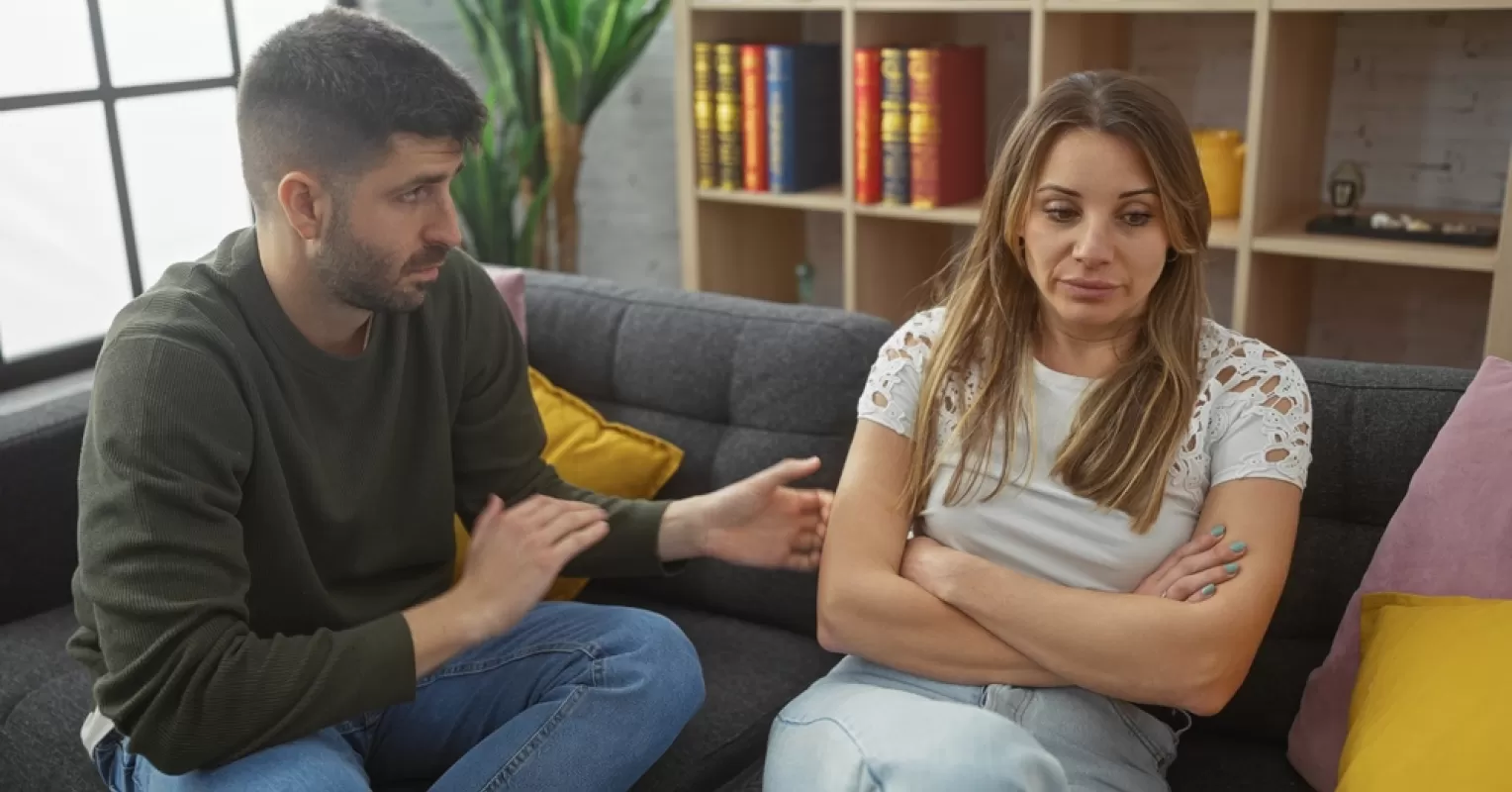
You wait and wait, heart racing, with every minute that ticks by without a message from your partner. If you’ve asked yourself, “Why do I feel anxious when my partner doesn’t reach out first?” you’re not alone. This feeling of dread can be disorienting, leaving you questioning your partner’s intentions and your relationship’s stability.
Understanding the Anxiety
It’s natural to feel anxious when you don’t hear from a partner, especially if communication is a cornerstone of your bond. This anxiety often stems from a mix of insecurities and a need for reassurance. When they don’t reach out, it can feel like they’re withdrawing or even losing interest, triggering fears of abandonment or rejection.
In many cases, this feeling may arise from your attachment style. Anxious attachment, for instance, can heighten your sensitivity to your partner’s communication patterns, making you feel uneasy when they don’t initiate contact.

A closely related pattern appears in why do I feel anxious about reaching out to my estranged sibling, which adds more context to this behavior.
Why This Happens: The Roots of Relationship Anxiety
The absence of contact can activate deeply rooted emotional patterns, such as fear of losing the relationship or feelings of inadequacy. If your partner typically takes the lead in reaching out, a shift in this behavior can create a sense of instability and anxiety.
Furthermore, social expectations often play a role. Society frequently espouses the belief that partners should consistently show interest and affection, leading to self-imposed pressure to interpret silence as a sign of trouble.

A closely related pattern appears in why do I feel anxious when my partner doesn’t respond right away, which adds more context to this behavior.
Different Meanings Depending on Context
When your partner doesn’t reach out first, it’s essential to consider context. Their silence might have nothing to do with you; they could be busy, stressed, or simply managing their own emotions. Simple distractions can lead to perceived disengagement, and understanding this can help alleviate anxiety.
Moreover, relationships go through phases where one partner may need more space than the other. It’s crucial to recognize that taking a step back doesn’t always indicate a lack of interest.

A closely related pattern appears in why do I feel anxious when he doesn’t text back right away, which adds more context to this behavior.
What Not to Assume Too Quickly
Jumping to conclusions can exacerbate anxiety. Many individuals assume that their partner’s silence equates to disinterest, but this isn’t always the case. It’s important to avoid making hasty judgments based solely on their failure to reach out.
Understanding the complexities of your partner’s life can shed light on their behavior. They may have personal struggles or simply be processing their feelings, neither of which implies a lack of love or commitment.
A closely related pattern appears in why do I feel anxious about my partner’s wedding preferences, which adds more context to this behavior.
How to Navigate Your Feelings
When faced with anxiety over your partner’s lack of communication, the first step is to communicate your feelings openly. Expressing your need for reassurance can foster understanding and connection.
Additionally, practicing self-soothing techniques can be beneficial. Engage in activities that you enjoy or that require your focus. Building emotional resilience will help decrease anxiety and foster a healthier relationship dynamic.
A closely related pattern appears in why do I feel anxious about hugging someone I like, which adds more context to this behavior.
Frequently asked questions
What is the 65% rule in relationships?
The 65% rule suggests that relationships thrive when partners are actively engaged about 65% of the time. This leaves room for necessary personal space without feeling neglected.
Why do I get anxious when my partner doesn’t text me back?
Feeling anxious when your partner doesn’t text can stem from insecurity or fear of disconnection. It may also relate to your attachment style and previous relationship experiences.
Is never texting first a red flag?
Not necessarily. While it can raise concerns about a partner’s engagement, many people have different communication styles. It’s essential to assess the overall dynamics of your relationship.
Learn more:
About Us |
Editorial Policy |
Content Quality Standards |
Disclaimer