

If you’ve ever felt that knot in your stomach when you think about asking for what you truly want in a relationship, you’re not alone. This fear can leave you feeling stuck and disconnected, almost as if you’re watching your hopes float away in a distant horizon. What is it about vulnerability that feels so threatening, even when it’s just a request for more love, attention, or understanding from someone you care about?
Understanding the Fear of Asking for Your Needs
The fear of asking for what you want often stems from a deep-seated belief that expressing needs could lead to rejection or conflict. This feeling may manifest as anxiety, self-doubt, or even guilt. You might convince yourself that your needs are unworthy or will burden your partner, leading to a silence that feels safer. But what if this fear isn’t just a ‘you’ problem? Often, it’s a reflection of past experiences and relationships that colored your perception of vulnerability.
Many individuals grow up in environments that either neglected their emotional needs or labeled them as selfish. In such contexts, speaking up becomes associated with discomfort or conflict, leaving many uncertain about how to voice their desires later in life. As adults, this conditioning can lead one to avoid asking for what they want, even in fulfilling relationships.

A closely related pattern appears in how to understand a partner’s fear of loss in a relationship, which adds more context to this behavior.
Possible Reasons Behind This Fear
Several emotional factors contribute to the fear of asking for what one wants. Unmet needs from childhood play a significant role. A lack of emotional nurturing can lead to feelings of unworthiness, making it hard to believe you deserve to ask for anything at all. For some, a history of relationships filled with criticism or rejection compounds this fear, reinforcing the belief that expressing desires could lead to similar outcomes.
Additionally, societal and cultural norms can influence this fear. For example, many people are raised to prioritize others’ needs over their own, which can create an internal conflict when it comes to expressing personal desires. Ultimately, these intertwined influences render the act of asking for what one wants not merely a simple request but a charged emotional experience.
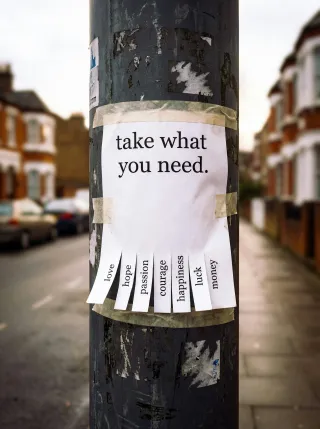
A closely related pattern appears in how to handle fear of losing my partner in an open relationship, which adds more context to this behavior.
Different Meanings Based on Context
Why this fear exists can vary depending on personal context. In one relationship, fear may come from a partner who has consistently dismissed your needs, creating a pattern of silence. In another, it might stem from a desire to maintain harmony, leading you to prioritize what you think others want over your own desires.
The context of your past relationships also matters. If you’re coming from a string of unsatisfactory experiences, the reluctance to express your needs may feel like a protective mechanism. Conversely, in more stable relationships, the fear might involve a fear of vulnerability itself—opening up to potentially painful emotions.

A closely related pattern appears in ways to cope with fear of intimacy after heartbreak, which adds more context to this behavior.
What Not to Assume About Your Fears
It’s common to assume that fearing to ask for what you want is a sign of weakness or inability to communicate. However, this perception can be misleading. Your fear may actually be a sign of past wounds that have yet to heal. It does not define your capacity for healthy relationships but rather highlights the complexity of emotional needs and how they manifest in your behavior.
Equally, don’t assume that your partner will react negatively to your needs. Often, they are simply as unaware of your wants as you are. This mutual lack of communication can create a vacuum of connection, where both of you remain in a state of longing without understanding what the other truly desires.
A closely related pattern appears in why do I feel intense fear of vulnerability in relationships, which adds more context to this behavior.
Moving Towards Clarity: Steps to Take
Begin by safely exploring your needs without judgment. Journaling or talking to a trusted friend can provide a clearer sense of what you want versus what you feel you should want. Once you gain insight, consider small, low-stakes opportunities to practice expressing your needs. This could be as simple as stating preferences in social settings or asking for help on a minor task.
As you become more comfortable with these small requests, gradually work your way up to bigger conversations. Remember, it’s okay to feel vulnerable about asking for your needs—you’re building toward a more authentic connection, which often requires taking a leap of faith.
A closely related pattern appears in why do I feel anxious when my partner doesn’t reply right away, which adds more context to this behavior.
Frequently asked questions
Why do I feel guilty when asking for what I want?
Guilt often stems from internalized beliefs that your needs are burdensome to others. This can be tied to past experiences where expressing desires led to conflict or criticism. Understanding these feelings is the first step in challenging them.
How can I practice asking for what I want?
Start small by expressing minor preferences and gradually build your confidence. Consider role-playing with a supportive friend to get comfortable with the language of asking, or write down what you want to clarify your thoughts before bringing them into conversation.
Learn more:
About Us |
Editorial Policy |
Content Quality Standards |
Disclaimer