
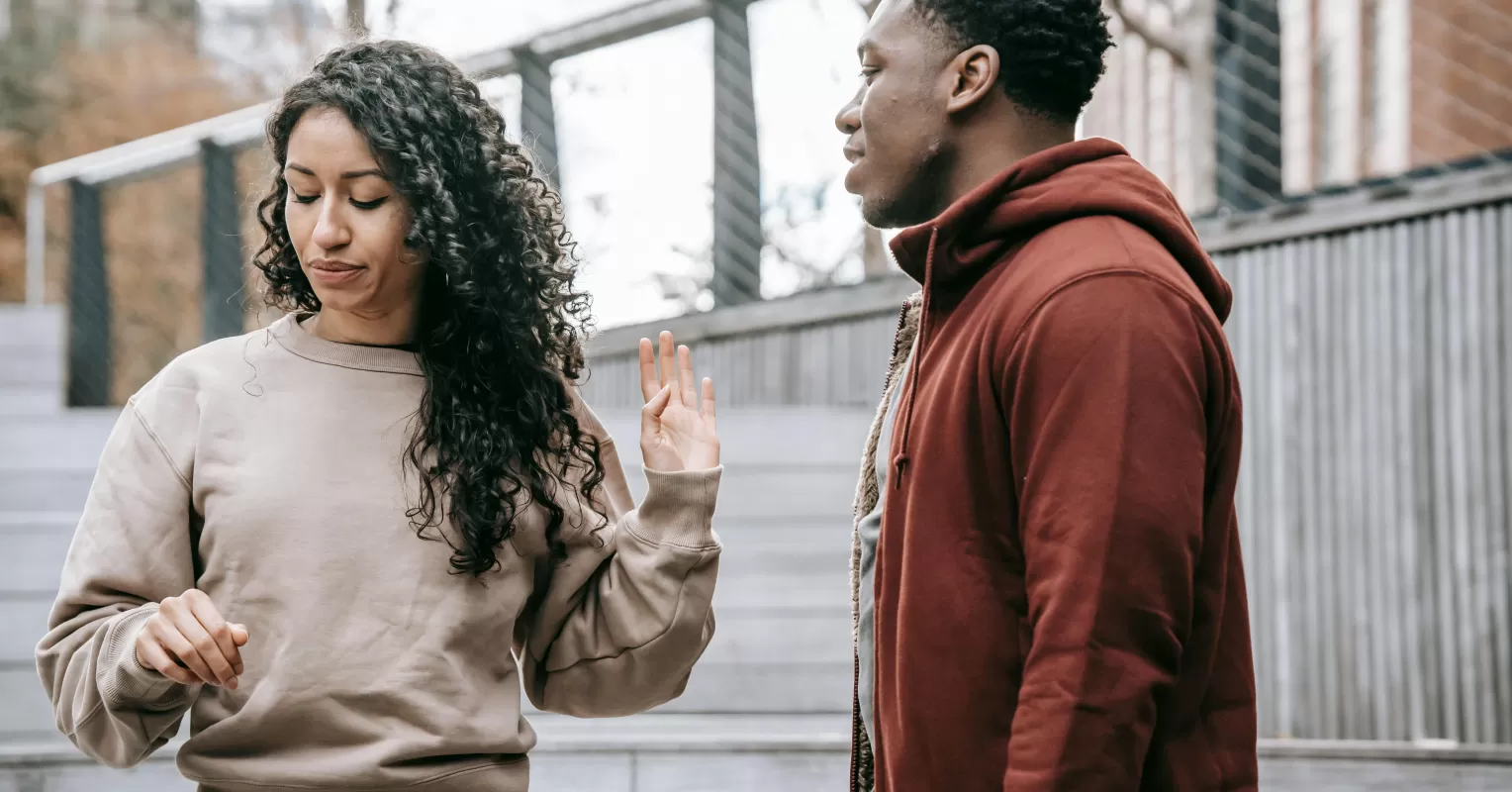
Have you ever felt blindsided by your partner’s intense reactions during what seems like a minor disagreement? You’re not alone in wondering what it means when your partner overreacts during arguments. This behavior can often leave you feeling confused, frustrated, and even helpless, making you question your relationship dynamics.
Understanding Overreactions in Arguments
When your partner overreacts during arguments, it may indicate that their emotional response goes beyond the issue at hand. Overreactions can manifest as anger, defensiveness, or sometimes even tears, which might seem disproportionate to the trigger. It’s crucial to recognize that this behavior often stems from deeper emotional triggers rather than the argument itself.
Emotions can run high in relationships, and arguments often serve as an outlet for unresolved frustrations, fears, or past traumas. Hence, your partner’s reaction may not just reflect their feelings about the current disagreement but could relate to a past wound that has resurfaced during the conflict.

A closely related pattern appears in what does it mean when my partner asks for a pause in an argument, which adds more context to this behavior.
Why This May Happen
There are several reasons why your partner might overreact. One possibility is that they feel unheard or unseen, which can lead to heightened emotions. When individuals fear that their needs aren’t being acknowledged, the smallest of disagreements can become intense debates. This tendency may also stem from their upbringing, where conflicts were either suppressed or escalated, setting a pattern for future interactions.
In some cases, overreactions can signal underlying anxiety or a feeling of vulnerability. If your partner has experienced betrayal or abandonment in past relationships, they might react strongly to perceived threats, no matter how small, as a way to safeguard against emotional pain.
A closely related pattern appears in why my partner and I keep having the same arguments, which adds more context to this behavior.
Interpreting Different Meanings Based on Context
Context plays a vital role in interpreting overreactions. For instance, is this reaction a recurring pattern, or is it a one-off event provoked by stressors like work or personal issues? Understanding the context can provide insight into whether the argument is reflective of deeper issues in the relationship or if it’s simply a stressful time that has overwhelmed your partner.
Additionally, consider the topic of the argument. Is it something trivial or deeply emotional? Arguments about significant topics may elicit stronger reactions, and recognizing this can help you navigate those discussions more effectively. Acknowledge that your partner’s emotional history might be influencing their current reactions, adding layers to the conflict.

A closely related pattern appears in what does a pause during a fight really do in relationships, which adds more context to this behavior.
Avoiding Quick Assumptions About Their Behavior
One common mistake is jumping to conclusions about why your partner is overreacting. It’s easy to assume they’re being irrational or overly dramatic, but this perspective lacks understanding. Instead of attributing their behavior solely to personality flaws, consider the emotional undercurrents that might be contributing to their response.
Remember, your partner’s actions are often a reflection of their feelings rather than rational thought. It’s essential to approach the situation with empathy, seeking to understand rather than react defensively. This can open the lines of communication, helping both of you to express and address underlying concerns.
A closely related pattern appears in why does my partner blame me during conflicts instead of discussing feelings, which adds more context to this behavior.
How to Navigate These Overreactions Moving Forward
When faced with your partner’s overreactions, try grounding the conversation. Create a safe space where both of you can express feelings without judgment. Rather than escalating the argument, focus on acknowledging your partner’s emotions and validating their feelings, even if you disagree with their perspective.
It might also be beneficial to set some boundaries about how to address emotions during arguments. Identifying when discussions become too heated allows both partners to take a step back, pause, and return to the conversation when both parties are calmer. This practice helps build healthier communication patterns over time.
A closely related pattern appears in why do I keep feeling misunderstood by my partner during conflicts, which adds more context to this behavior.
Frequently asked questions
What is overreacting a symptom of in a relationship?
Overreacting can often indicate deeper emotional issues such as unresolved past conflicts, anxiety, or insecurity. It may reflect that an individual feels unheard or undervalued, resulting in heightened emotional responses during disagreements.
How to deal with a partner who overreacts?
Dealing with a partner who overreacts involves creating a safe space for communication, validating their feelings, and discussing boundaries when arguments escalate. It’s essential to encourage open dialogues about emotions without judgment.
Learn more:
About Us |
Editorial Policy |
Content Quality Standards |
Disclaimer