
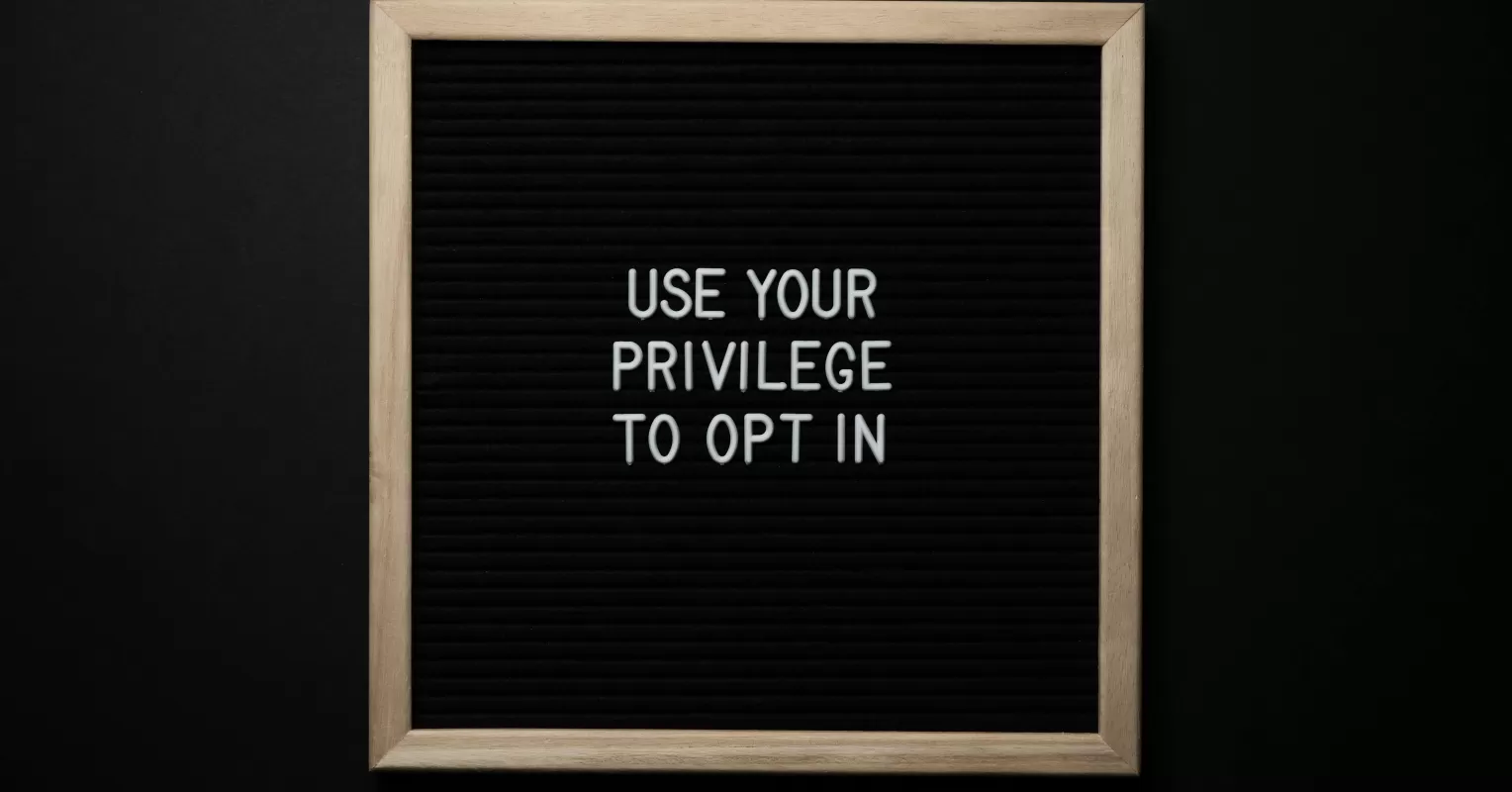
Have you ever been in a conversation where someone suddenly mentions their privilege? It can feel confusing and even uncomfortable. Understanding what it means when someone acknowledges their privilege is crucial in navigating today’s complex social dynamics.
Direct Interpretation: Understanding Acknowledgment of Privilege
When someone acknowledges their privilege, they’re recognizing advantages they possess that others may not have access to, often due to factors like race, gender, socioeconomic status, or education. This acknowledgment isn’t merely a humble brag; rather, it serves as a doorway to deeper understanding and empathy in discussions about inequality.
In conversations, this act can signal openness and a desire to engage in meaningful dialogue. It suggests that the individual is aware of the societal structures that have benefited them and are willing to discuss these dynamics with others, especially those who may not share the same advantages.

A closely related pattern appears in what does it mean when I feel drawn to someone but can’t connect emotionally, which adds more context to this behavior.
Why People Highlight Their Privilege
Acknowledging privilege can often stem from an intention to foster inclusivity and create a safe space. Many people recognize that by addressing their advantages, they can lessen defensiveness and cultivate understanding among those who may feel marginalized.
It’s also about confronting discomfort. This admission can be a bold move that reflects self-awareness, aiming to break down walls that hinder authentic conversations around social justice and equity.
A closely related pattern appears in what does it mean when my partner interrupts my negative patterns, which adds more context to this behavior.
Different Contexts and Interpretations of Privilege Acknowledgment
The impact of acknowledging privilege can vary significantly depending on the context. In a personal relationship, it might enhance trust and mutual respect, facilitating deeper vulnerability. In a professional setting, it may signal a commitment to ethical leadership and fairness in decision-making.
However, context matters greatly; for example, if the acknowledgment comes across as self-serving or dismissive of others’ struggles, it could backfire, causing resentment or further division. Understanding the fine line of intention versus perception is key.

A closely related pattern appears in what does it mean when communication stalls in a relationship, which adds more context to this behavior.
What Not to Assume From Privilege Acknowledgment
It’s essential not to assume that someone’s acknowledgment of their privilege signifies guilt or shame about their status. Instead, it may reflect a committed effort to understand the broader implications of privilege or to encourage others to consider their positioning in society.
Moreover, one shouldn’t equate acknowledging privilege with having all the answers to complex societal issues. This admission is a starting point for empathy, not a conclusion. Validating one’s perspective and experiences while remaining open to others’ narratives is crucial.
A closely related pattern appears in what does it mean when I feel guilty about my partner’s behavior, which adds more context to this behavior.
How to Navigate Conversations About Privilege
If you’re in a situation where someone acknowledges their privilege, it’s worthwhile to lean into that moment. Ask clarifying questions about their experiences and perceptions; this not only deepens your understanding but also encourages a richer dialogue.
Practicing humility and actively listening can create a more constructive environment. Recognizing that every conversation around privilege has the potential for growth and understanding can shift the narrative from one of division to one of unity.
A closely related pattern appears in what does it mean when a stranger smiles at you, which adds more context to this behavior.
Frequently asked questions
What does it mean to acknowledge your privilege?
Acknowledge your privilege means recognizing the advantages one has in society due to race, gender, socio-economic status, or other factors. It reflects an understanding of how these advantages influence interactions and experiences, particularly regarding issues of inequality.
What does it mean if a conversation is privileged?
A privileged conversation often refers to discussions where one party holds advantages that allow for more comfortable, open dialogue, while the other may feel marginalized or unheard. It emphasizes the importance of understanding and acknowledging these dynamics.
What is the acknowledgment of privilege?
The acknowledgment of privilege involves recognizing and reflecting on the unearned advantages one has in society, which helps create more open and constructive dialogues about social issues.
Learn more:
About Us |
Editorial Policy |
Content Quality Standards |
Disclaimer