
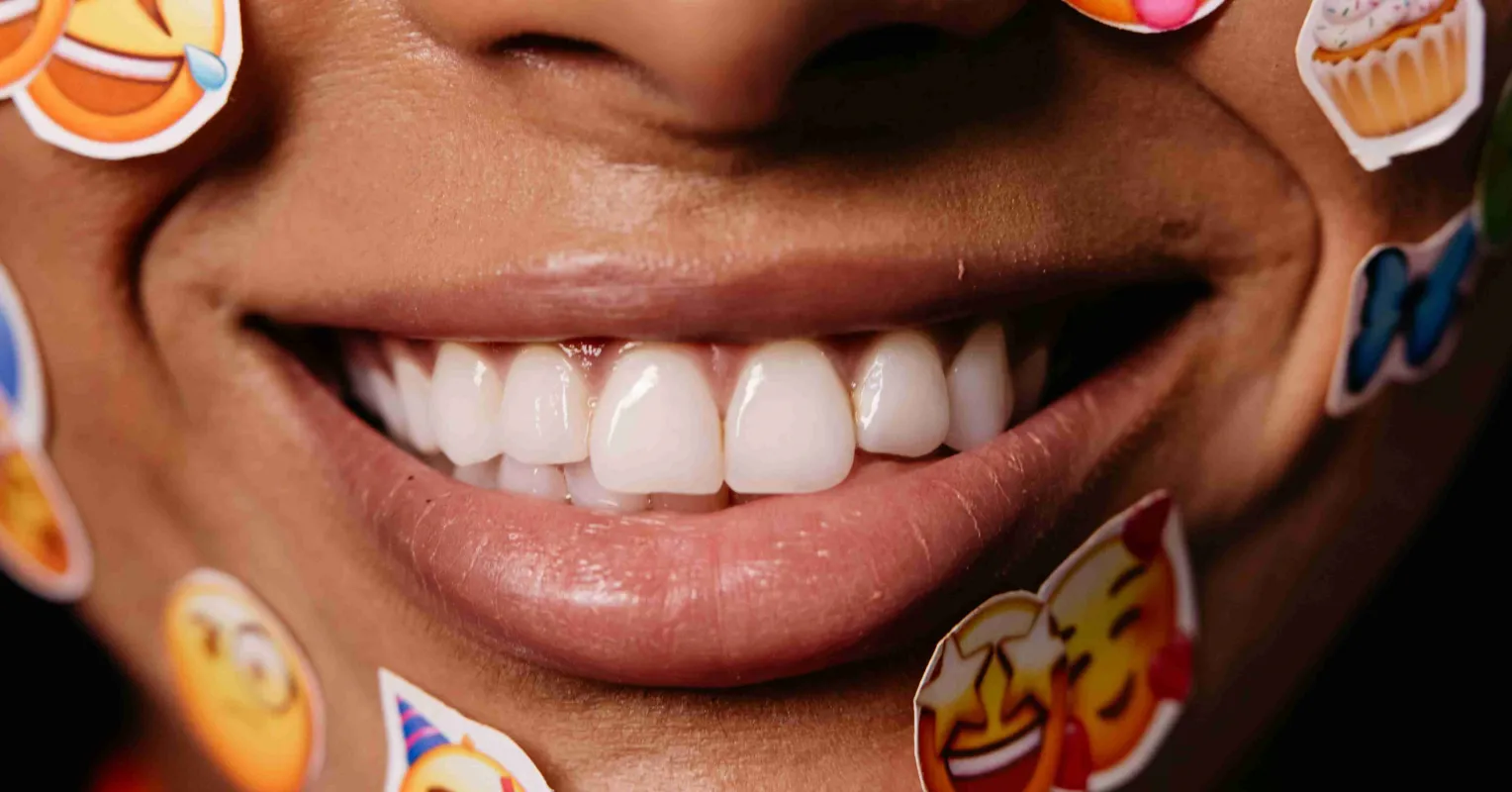
If you’ve ever found yourself confused about why someone sends laughter emojis during serious talks, you’re not alone. It can feel like a bizarre juxtaposition, leaving you to wonder if they really understand the gravity of the situation or if they’re attempting to lighten the mood in an unsettling way. This behavior raises key questions about communication, emotional expression, and misinterpretation in our increasingly digital interactions.
Understanding the Use of Laughter Emojis
Laughter emojis, like 😂 or 😆, often add an element of humor or levity to messages. But when used in serious conversations, they can seem out of place. People may use these emojis as a way to express discomfort with the topic at hand, trying to mask their own anxiety, or to signal that they prefer not to take things too seriously. What’s crucial is understanding that the intent behind this might vary widely from person to person.
In many contexts, a laughter emoji can suggest familiarity or intimacy. It might indicate that the sender feels comfortable enough to inject humor into the conversation, implying that they want to maintain a friendly or light-hearted exchange, despite the serious nature of the topic. However, the emotional connection can lead to misinterpretation, especially if the receiver expects a more earnest or serious reply.

A closely related pattern appears in what does it mean when my partner avoids deep conversations, which adds more context to this behavior.
Why Might Someone Use Laughter in Serious Situations?
One common reason for using laughter emojis in serious conversations is to alleviate tension. Humor can serve as a coping mechanism; by introducing a laugh, the sender might be trying to ease their own or the recipient’s discomfort regarding a heavy subject. In other cases, they could be consciously or subconsciously downplaying the conversation’s gravity, possibly as a defense mechanism against vulnerability.
Additionally, some individuals might use laughter emojis as a form of social signaling—showing that they wish to keep things light-hearted or that they don’t want the conversation to steer too deep into emotional territory. It’s essential to remember that humor and laughter do not diminish the seriousness of a topic but might reflect the sender’s struggle to engage with that seriousness.
A closely related pattern appears in what does it mean if my partner avoids deep conversations, which adds more context to this behavior.
The Context Matters
The impact of laughter emojis largely depends on the context of the conversation. If you know the person well and share a friendly rapport, a laughter emoji might be meant to ease a tough discussion. Conversely, if the relationship lacks intimacy, it may feel dismissive or inappropriate. Recognizing contextual cues like the overall tone, previous exchanges, and the seriousness of the topic can help interpret the sender’s intent more accurately.
In more formal or professional settings, using laughter in serious discussions is often viewed as unprofessional and can lead to misunderstandings regarding commitment and seriousness. However, in a casual conversation among friends, it might be entirely acceptable, reflecting comfort and closeness.

A closely related pattern appears in what does it mean when my partner avoids difficult conversations, which adds more context to this behavior.
What Not to Assume Too Quickly
It’s easy to jump to conclusions when someone uses laughter emojis in serious chats. One should avoid assuming that the person is dismissing the issue or doesn’t care about your feelings. They may simply have a different way of coping with vulnerability, using humor as a way to connect rather than to disengage.
Furthermore, be cautious about how you interpret the absence of a laughter emoji when someone is simply serious or quiet. The lack of humor doesn’t necessarily mean they aren’t engaged or empathetic; rather, they might be struggling to formulate a response that feels appropriate.
A closely related pattern appears in what does it mean when my partner avoids deep conversations, which adds more context to this behavior.
Gaining Clarity in Communication
To better understand when laughter emojis are appropriate, consider having an open discussion with the person in question. Expressing how their use of emojis makes you feel can lead to greater insight and help establish clearer communication patterns in your relationship.
Ultimately, effective communication relies on mutual understanding. Being attuned to each other’s emotional cues, including the subtleties of emoji use, can enhance conversations and prevent unnecessary misunderstandings.
A closely related pattern appears in what does it mean when my partner avoids serious discussions about our relationship, which adds more context to this behavior.
Frequently asked questions
What does a laughter emoji mean in texting?
A laughter emoji typically indicates amusement or light-heartedness in a conversation. However, its use in serious topics can imply an attempt to ease tension or to suggest that the sender prefers a lighter approach to the subject.
Why do people use emojis in serious conversations?
People may use emojis, including laughter emojis, in serious conversations to convey emotions they cannot express verbally, to relieve tension, or to maintain a casual atmosphere. It reflects their unique communication style and the nature of their relationship with the other person.
Learn more:
About Us |
Editorial Policy |
Content Quality Standards |
Disclaimer