
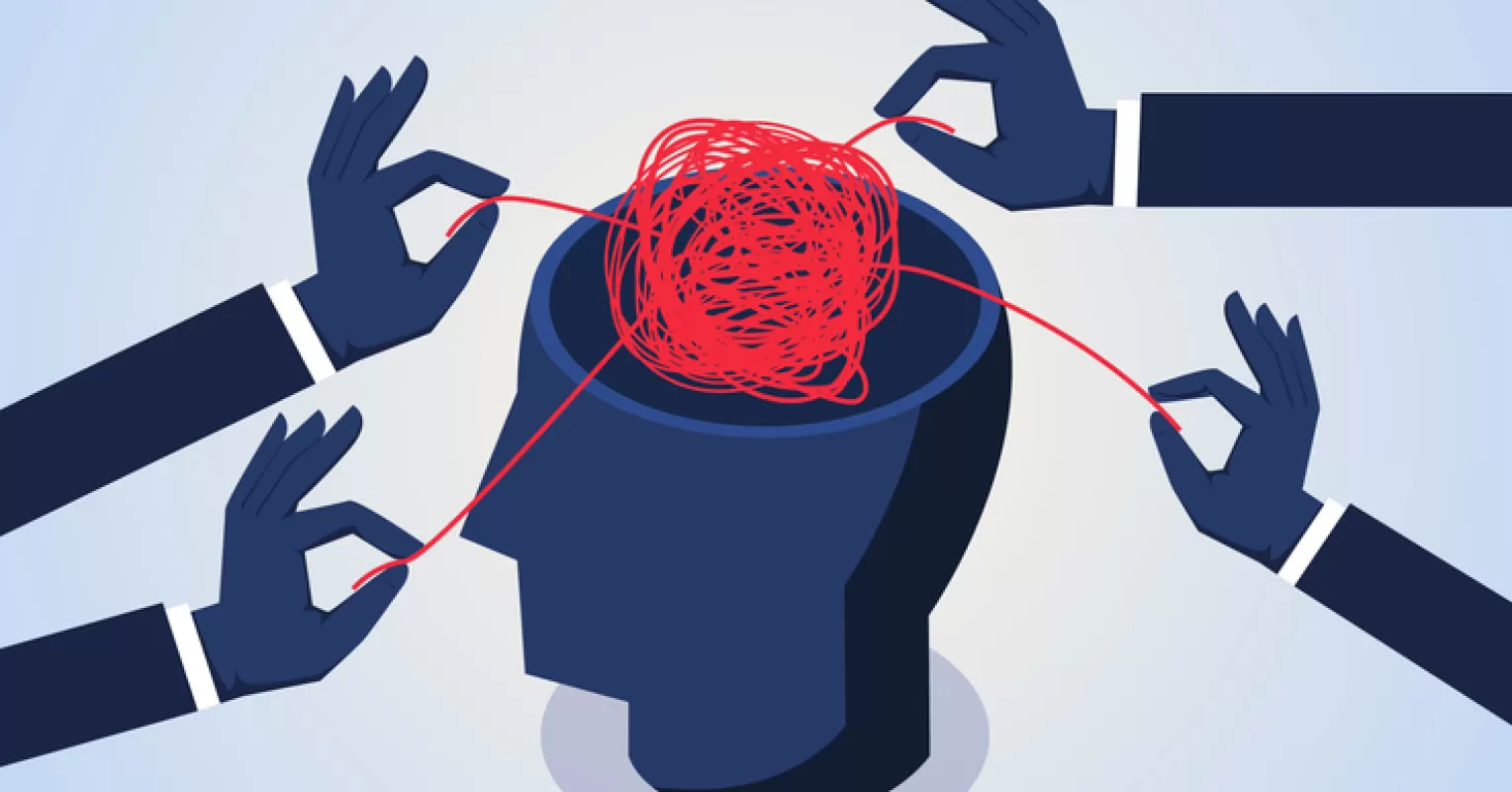
If you’re wondering what it means when your partner belittles your feelings, you’re not alone. Many people find themselves feeling hurt and confused when their emotions are dismissed. It can seem small from the outside, but these moments can linger like echoes, questioning not just your feelings but your entire sense of self-worth.
Understanding the Behavior
When your partner belittles your feelings, it often manifests as dismissive comments or invalidation of your emotional responses. Phrases like ‘you’re overreacting’ or ‘it’s not a big deal’ can make you feel alone in your emotional experience. Understanding this behavior is crucial since it may not stem from a lack of care, but rather from their own emotional limitations or insecurity.
This behavior can act like an emotional gaslight, leading you to question your reality and how you experience feelings. What you perceive as genuine concern may instead be a superficial attempt to maintain control over the emotional landscape of your relationship.

A closely related pattern appears in what does it mean when my partner belittles my accomplishments, which adds more context to this behavior.
Why It May Happen
Your partner’s belittling might stem from their fear of vulnerability. They may struggle to recognize or articulate feelings, opting instead to undermine your expressions. This can occur in relationships where one person feels threatened by the emotional honesty of the other, perhaps due to their unresolved insecurities.
In some cases, this behavior can be a product of learned habits from previous relationships or familial dynamics, where open emotional expression was discouraged. They might not even be aware of how damaging their actions are, caught up in their own struggles.
A closely related pattern appears in what does it mean if my partner suddenly becomes distant after a conflict, which adds more context to this behavior.
Different Meanings Depending on Context
Belittling can serve many purposes, depending on the context of your relationship. It might signal a power imbalance, where one partner feels the need to assert dominance over the emotional narrative. Alternatively, it may reveal unresolved issues—like jealousy or insecurity—prompting them to project their discomfort onto you.
It’s essential to evaluate the broader context: Does this belittling occur only in particular situations, perhaps when discussing specific feelings? Understanding these nuances can help you decode the mixed messages encountered in your relationship.

A closely related pattern appears in what does it mean when someone suddenly becomes distant after being close, which adds more context to this behavior.
What Not to Assume Too Quickly
Jumping to the conclusion that your partner doesn’t care about your feelings can be misleading. Sometimes, belittling might stem from a lack of awareness rather than disregard. Assume that they may not fully understand the consequences of their words, and give yourself space to explore this possibility.
Also, emotional patterns aren’t always linear. A temporary lapse in judgment doesn’t necessarily reflect the entire relationship dynamic. While it’s important to recognize harmful patterns, context matters, and there may be moments that redeem the connection.
A closely related pattern appears in what does it mean if my partner seems physically present but emotionally distant, which adds more context to this behavior.
How to Approach the Situation
Addressing this issue starts with clear communication. Share how their comments make you feel, using ‘I’ statements to express your experience without sounding accusatory. For example, saying ‘I feel dismissed when my feelings are belittled’ can invite a more understanding response.
Additionally, consider seeking external support, whether through counseling or trusted friends, to gain perspective and strengthen your emotional resilience. It’s vital to remember that your feelings are valid, and advocating for yourself is a necessary step in any relationship.
A closely related pattern appears in what does it mean when a friend starts acting distant after we hooked up, which adds more context to this behavior.
Frequently asked questions
Is it normal for your partner to belittle you?
While many may experience moments of belittling in relationships, it’s not healthy or normal. It’s essential to recognize these behaviors and consider their root causes and impacts.
What are the signs of a failing relationship?
Signs can include persistent belittling, lack of communication, diminished respect, and the absence of mutual support. If belittling is frequent, it may indicate deeper issues at play.
Learn more:
About Us |
Editorial Policy |
Content Quality Standards |
Disclaimer