

You may have found yourself wondering, “What are the consequences of infidelity?” It’s a question that often arises when trust is shattered, leaving both partners in a whirlwind of confusion and pain. Infidelity can feel like a betrayal that cuts deep, and understanding its consequences is crucial for healing and moving forward.
Understanding Infidelity and Its Immediate Effects
Infidelity can manifest in various forms, from emotional affairs to physical relationships outside a committed partnership. The immediate aftermath often includes feelings of betrayal, anger, and sadness. For the person who has been cheated on, it can feel like the ground has been pulled from beneath them. This emotional turmoil may lead to a loss of self-esteem, trust issues, and a re-evaluation of the relationship’s future.
In many cases, the partner who cheated may also experience guilt and shame, complicating their emotions further. This dual emotional landscape can create a tense environment where open communication becomes challenging.

A closely related pattern appears in why does my partner feel distant after infidelity, which adds more context to this behavior.
Long-Term Consequences for the Relationship
The long-term consequences of infidelity can be profound. Relationships may face significant challenges, including a breakdown of trust that can take years to rebuild, if it can be rebuilt at all. Couples often find themselves trapped in a cycle of blame and resentment, which can lead to further emotional distance.
Interestingly, some relationships do survive infidelity, but they often require intense work and commitment from both partners. This process can include therapy, open dialogues about feelings, and a willingness to understand the underlying issues that led to the betrayal.
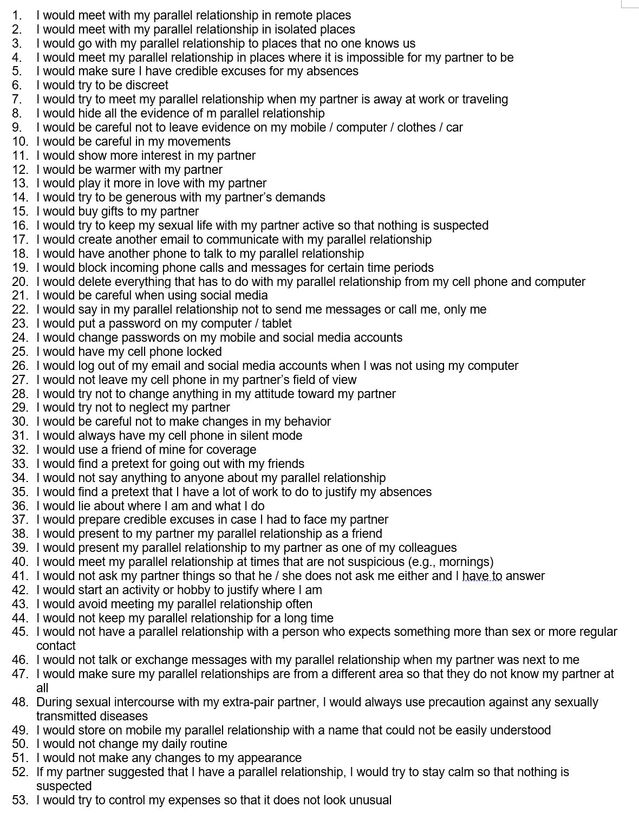
Why Infidelity Happens: Common Motives
Understanding why infidelity occurs can shed light on its consequences. Common motives include unmet emotional needs, a desire for novelty, or even situational factors like stress. Sometimes, individuals may seek validation outside their relationship due to insecurities or a lack of fulfillment.
It’s essential to recognize that infidelity often reflects deeper issues within the relationship rather than solely the character of the person who cheated. This perspective can help both partners understand the complexities involved and address the root causes.
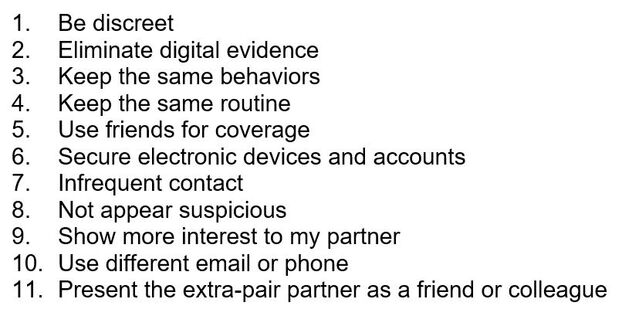
What Not to Assume About Infidelity
One common misconception is that infidelity is always a sign of a failing relationship. While it can indicate issues, it doesn’t always mean that the partnership is irreparable. Additionally, not all infidelity is the same; the context, emotional involvement, and intentions behind the act can vary widely.
Assuming that the cheater is entirely to blame can simplify a complex situation. Both partners may have contributed to the circumstances that led to infidelity, and recognizing this can be a crucial step in healing.
Moving Forward: Steps to Recovery
Recovering from infidelity is not easy, but it is possible. Open communication is vital; both partners need to express their feelings and concerns honestly. Seeking professional help, such as couples therapy, can provide a structured environment for healing.
Ultimately, rebuilding trust takes time and effort. Setting boundaries, being transparent, and fostering emotional intimacy can help both partners navigate this challenging journey together.
Frequently asked questions
Can a relationship survive infidelity?
Yes, many relationships can survive infidelity, but it often requires significant effort from both partners to rebuild trust and address underlying issues.
What are the emotional impacts of infidelity?
Infidelity can lead to feelings of betrayal, anger, sadness, and a loss of self-esteem for the betrayed partner. The partner who cheated may also experience guilt and shame.
What steps can couples take after infidelity?
Couples can benefit from open communication, setting boundaries, and seeking therapy to navigate their feelings and work towards rebuilding their relationship.
Learn more:
About Us |
Editorial Policy |
Content Quality Standards |
Disclaimer