

Have you ever felt confused by someone’s indirect remarks or subtle jabs? If you’re wondering how to recognize passive-aggressive behavior, you’re not alone. Many people find themselves puzzled when faced with this challenging communication style. Understanding passive-aggressive behavior can unlock patterns in relationships that leave you feeling frustrated, unheard, or even hurt.
Understanding Passive-Aggressive Behavior
Passive-aggressive behavior often manifests as indirect hostility or unexpressed anger. It can be elusive and hard to pinpoint, making it frustrating for those on the receiving end. Instead of voicing dissatisfaction or anger directly, someone exhibiting this behavior may resort to sarcasm, backhanded compliments, or even the ‘silent treatment.’ A classic example could be a friend who “forgets” your plans after you’ve asked for their help. At first glance, this might seem trivial, but the underlying resentment can damage trust and intimacy in relationships.
Recognizing passive-aggressive behavior requires sensitivity and awareness. Often the actions speak louder than words; it’s crucial to pay attention to the dissonance between what someone says and what they express non-verbally. For instance, if someone agrees to help you but appears sullen or uncooperative, it may indicate underlying frustration rather than willingness.

A closely related pattern appears in how to recognize if your mentorship feels one-sided, which adds more context to this behavior.
Why Passive-Aggressive Behavior Happens
Understanding why someone resorts to passive-aggressive behavior can be enlightening. This communication style often stems from an inability to express emotions directly, perhaps due to fear of conflict or feeling powerless. For some, confrontation feels intimidating, leading them to communicate their displeasure indirectly as a way to regain a sense of control without engaging in overt disagreement.
Moreover, past experiences can shape these patterns. Someone raised in an environment where openly expressing feelings led to negative consequences might develop passive-aggressive tendencies as a protective strategy. This doesn’t excuse the behavior but offers insight into its origins.
A closely related pattern appears in why do I find quiet people more intriguing than loud ones, which adds more context to this behavior.
Context Clues: Recognizing the Signs
Recognizing passive-aggressive behavior involves being attuned to specific context clues. Look for patterns: does the person often deflect responsibility or make vague promises? Do they frequently express disagreement through non-verbal cues? Frequent use of sarcasm or ambiguous statements can also signal this behavior.
Another layer lies in the emotional fallout. If you often feel drained or confused after interactions, or if conflicts remain unresolved, these might be indications of passive aggression. Trust your emotional responses; they can guide you in recognizing unhealthy dynamics.

A closely related pattern appears in how to understand the quirky behaviors of confident people, which adds more context to this behavior.
What Not to Assume About Passive-Aggressive Behavior
It’s easy to label someone as passive-aggressive after one incident, but quick judgments can be misleading. Passive-aggressive behavior is generally not intentional in the same way that overt aggression might be. Understanding that the individual may struggle with their emotional expressions can foster compassion, even while protecting your boundaries.
Additionally, be cautious about attributing this behavior universally. The same person might communicate openly in one context but revert to passive aggression in another when feeling insecure or threatened, highlighting the complex nature of human behavior.
A closely related pattern appears in why do some people thrive on solitude while others fear it, which adds more context to this behavior.
Moving Forward: Understanding and Addressing the Pattern
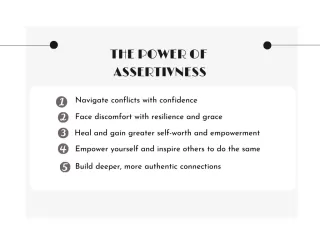
Navigating relationships where passive-aggressive behavior is present can be tricky. A constructive approach involves open and assertive communication—expressing your feelings directly can create a safer environment for discussion. Use ‘I’ statements like, ‘I feel overlooked when plans are changed without discussion,’ as these encourage dialogue without assigning blame.
Ultimately, recognizing passive-aggressive behavior requires both observation and interpretation. By acknowledging these patterns and communicating directly, you can promote healthier interactions and foster deeper connections with those in your life.
A closely related pattern appears in how can I emotionally recover after a conflict with someone, which adds more context to this behavior.
Frequently asked questions
What are common signs of passive-aggressive behavior?
Common signs include sarcasm, subtle digs or backhanded compliments, procrastination, and nonverbal cues like rolling eyes or crossing arms. These behaviors often mask underlying anger or resentment.
How can I respond to passive-aggressive behavior?
Address the behavior directly by expressing how it makes you feel. Use ‘I’ statements to frame your perspective and encourage open discussion. This can help clarify misunderstandings and encourage healthier communication.
Learn more:
About Us |
Editorial Policy |
Content Quality Standards |
Disclaimer