
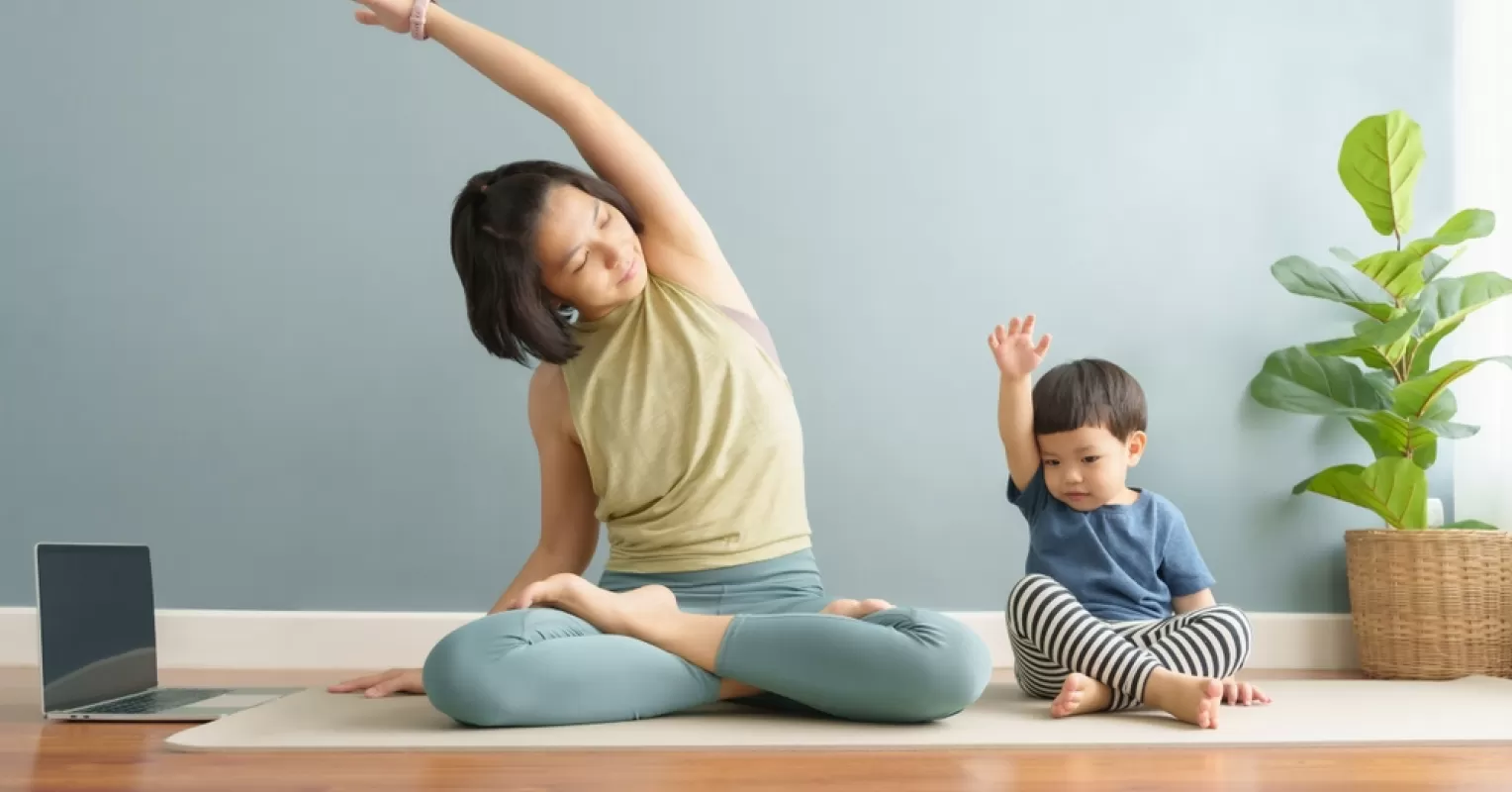
Have you ever felt like your entire purpose revolves around your children? You’re not alone. Many parents grapple with the idea of how to model a fulfilling life for their kids while inadvertently losing sight of their own passions and desires. It’s a complex emotional dance—one that often leaves parents feeling overwhelmed and unfulfilled. Let’s dive into what it truly means to raise fulfilling children while nurturing your own well-being.
Understanding the Dilemma: Purpose in Parenting
The notion of finding purpose in our children is deeply ingrained. Many parents believe that their role is to dedicate every ounce of themselves to raising their kids. While this sentiment comes from a place of love, it can lead to feelings of emptiness once children grow up and carve out their own paths. In fact, losing oneself in parenting can create a problematic dependency on their presence for personal fulfillment.
This obsession with child-centered purpose can set a concerning precedent. When children see their parents neglecting their own interests and passions, they may eventually adopt this same behavior, perpetuating a cycle of dependency and lack of personal fulfillment across generations.

A closely related pattern appears in why do I feel lost in my marriage now that the kids are gone, which adds more context to this behavior.
Why It Happens: The Myth of Joyful Parenting
The cultural narrative often suggests that parenting is the *ultimate* source of joy and success. The reality, however, is much more intricate. Many parents experience exhaustion, stress, and even identity crises as they pour all their energy into their children. This can create a misleading perception that true happiness is exclusively tied to our roles as caregivers.
The risk comes from overidentifying with this role, which may leave little room for personal growth or self-exploration. Part of the challenge lies in recognizing that parenting is just one piece of a multi-faceted existence. Understanding this distinction is vital for both personal happiness and effective parenting.

A closely related pattern appears in can a blindsided breakup bring positive life changes, which adds more context to this behavior.
Different Meanings: Constructing a Life of Little-P Purpose
When we talk about purpose, it’s essential to distinguish between what many refer to as *big-P* and *little-p* purpose. Big-P purpose might hinge on grand achievements or success stories, while little-p purpose focuses on the smaller joys and passions in our daily lives. This could manifest as pursuing hobbies, friendships, or personal projects that light us up.
By actively engaging in little-p purposes, parents not only model a life filled with joy to their children but also demonstrate that a fulfilling life encompasses a broader spectrum than raising kids alone. It teaches children to seek fulfillment beyond family life, empowering them to explore their own interests and passions.

A closely related pattern appears in how to stop overthinking good moments in my life, which adds more context to this behavior.
What Not to Assume: Avoiding Generational Burdens
It’s easy to assume that parenting is a monolithic journey aimed solely at raising successful kids. However, it’s important to remember that each child’s path is unique and often unpredictable. Blindly adhering to the belief that your child’s success should reflect your dedication can weigh heavily on them. The danger lies in inadvertently passing on the idea that their value is rooted in catering to others’ needs, perpetuating dependence across generations.
Instead, fostering independence and self-fulfillment in both parents and children achieves a stronger emotional dynamic. The goal should be to cultivate environments where children learn to value their own personal pursuits alongside their familial responsibilities.
Next Steps: How to Start Modeling a Fulfilling Life
So, how do you begin to model a fulfilling life while nurturing your children? Start by pursuing your interests and passions actively. Invest in time for yourself—whether it be through hobbies, socializing, or furthering your career. Show your children what it means to live a balanced life centered on both responsibility and personal joy.
Encourage open discussions about interests and ambitions at home. Use these conversations to spark curiosity in your children about the world beyond family obligations. The ripple effect of living a fulfilling life will not only enrich your existence but will also inspire your children to carve out their paths founded on their personal values.
Frequently asked questions
What are some examples of little-p purpose?
Little-p purpose can include hobbies like painting, playing a musical instrument, volunteering, or engaging in fitness activities. These pursuits allow you to express joy and fulfillment outside of your parenting role.
How can I balance my interests with parenting?
Finding balance starts with setting aside dedicated time for your interests. Communicate openly with your children about your pursuits and involve them when possible, creating shared experiences that both enrich your life and theirs.
Learn more:
About Us |
Editorial Policy |
Content Quality Standards |
Disclaimer