
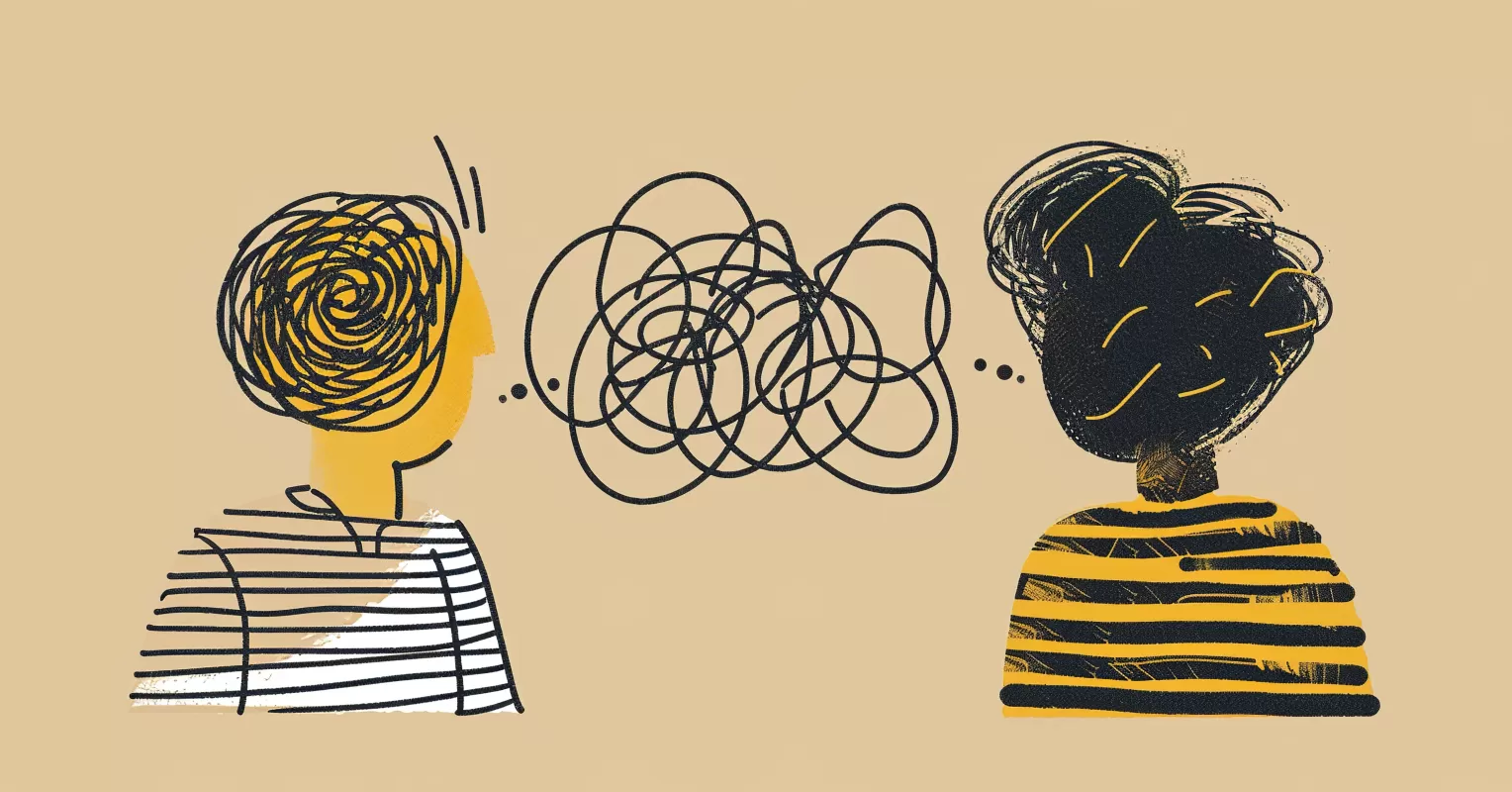
Have you ever felt confused about the signals your neurodivergent friends are sending? You might find yourself wondering, ‘Am I missing something?’ or ‘Why does this interaction feel different?’ Understanding how to interpret subtle cues from neurodivergent friends can feel like navigating a maze, where what seems intuitive doesn’t quite fit. Let’s dive into this complex social dynamic where clarity can often slip through your fingers.
Understanding Subtle Cues: What They Are
Neurodivergent individuals—those who may have autism, ADHD, or other neurological variations—sometimes express themselves and their feelings differently than neurotypical individuals. This uniqueness can mean that the cues they give off—like body language, eye contact, or verbal affirmations—may not always align with conventional expectations. For example, a lack of eye contact might not indicate disinterest; instead, it could be a way of processing overwhelming stimuli.
Recognizing these subtle cues is crucial. They often appear as nuanced gestures or patterns of behavior that can be easily misread. For instance, a neurodivergent friend might show affection through practical support rather than verbal praise, which could lead to confusion if one expects typical expressions of warmth.

A closely related pattern appears in why do I hesitate to share personal stories with friends, which adds more context to this behavior.
Why This Happens: The Neurodivergent Experience
The way neurodivergent individuals interpret and express emotions can stem from various factors, including sensory sensitivities and different cognitive processing styles. This might mean they approach social interactions with a unique set of norms and expectations that diverge from what’s typically understood. For many, conventional social cues can feel opaque or even non-existent.
Additionally, certain cultural backgrounds can further complicate these interactions. Different cultures have varying interpretations of social signals, which may not always align with neurodivergent ways of processing them. Understanding this context helps unearth why these interactions may feel particularly challenging.
A closely related pattern appears in why is it hurtful when friends talk about their best friend around me, which adds more context to this behavior.
Common Signs to Look Out For
While each neurodivergent person may express themselves differently, there are common signs to be aware of. For instance, a friend might prefer structured communication—like texting or written messages—when discussing emotional topics rather than face-to-face interactions. Moreover, they might engage in ‘pebbling’, a term that describes small, often indirect cues that reveal feelings without overt expressions.
Another aspect is patience. Neurodivergent individuals may need more time to process social situations or interactions. Thus, a delayed response in conversation doesn’t mean they aren’t interested; it often means they are carefully considering their reply.

A closely related pattern appears in how can I break the cycle of feeling isolated from friends, which adds more context to this behavior.
What Not to Assume: Misinterpretations to Avoid
One significant pitfall in interpreting subtle cues from neurodivergent friends is making assumptions based on neurotypical standards. For example, if a friend isn’t using typical body language to signal agreement or engagement, it might be easy to assume they’re uninterested or disengaged. This misunderstanding can hinder the development of genuine connections.
Moreover, it’s important not to generalize behaviors across all neurodivergent individuals. Just as no two neurotypical people respond the same way, neurodivergent individuals exhibit unique patterns based on their personal experiences and backgrounds.
A closely related pattern appears in why do I feel like I’m not being my true self around certain friends, which adds more context to this behavior.
Building a Clearer Understanding: Practical Steps
So how can you foster a deeper connection with your neurodivergent friends? Start with open communication. Instead of guessing what certain behaviors might mean, ask them directly about their preferences or what makes them comfortable. This shows respect and an eagerness to understand them better.
Additionally, slow down. Allow interactions to develop organically, and give them the space to express themselves in their unique way. Being patient not only strengthens your bond but also opens the door to more authentic communication.
A closely related pattern appears in how do I know if I’m ready to open up to new friends, which adds more context to this behavior.
Frequently asked questions
What social cues do neurodivergent people miss?
Neurodivergent people may miss traditional social cues like sarcasm, eye contact, or subtle body language that neurotypical individuals typically rely on to gauge feelings or intentions.
What is pebbling in autism?
Pebbling refers to the practice of giving small, often indirect signals to communicate feelings or emotions, allowing individuals to express themselves without resorting to direct verbalizations.
What are the social cues of neurodivergent people?
Neurodivergent individuals may exhibit social cues that diverge from traditional expectations, like preferring direct communication, using alternative nonverbal expressions, and needing more time to process interactions.
Learn more:
About Us |
Editorial Policy |
Content Quality Standards |
Disclaimer