
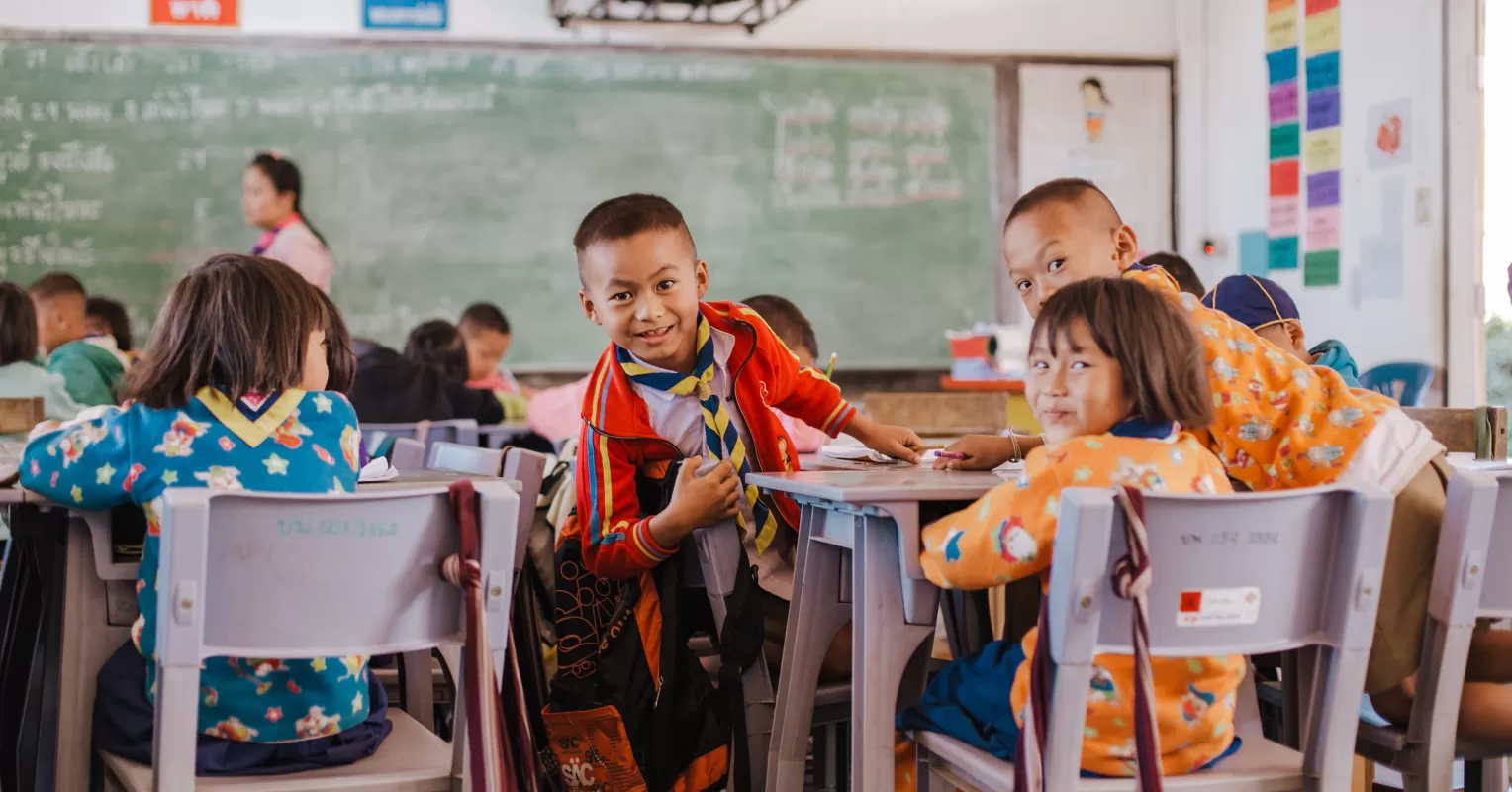
Have you ever noticed that some students seem to fade into the background during class discussions, while others thrive in the spotlight? If you’re wondering how to encourage student participation in class, you’re not alone. Many educators grapple with this challenge, often feeling frustrated when students don’t engage, even when they have the potential to shine. Understanding the dynamics of relationships within the classroom can be the key to unlocking student involvement.
The Role of Relationships in Student Engagement
At the heart of encouraging student participation lies the quality of relationships formed in the classroom. When students feel connected to their teachers and peers, they are more likely to engage actively. This sense of belonging can transform a classroom from a mere learning space to a community where students feel valued and heard.
Positive relationships foster trust, which is essential for students to express themselves without fear of judgment. When students believe that their contributions are appreciated, they are more inclined to participate, share ideas, and ask questions.

A closely related pattern appears in how to encourage students to participate in class, which adds more context to this behavior.
Why Some Students Hold Back
Several factors can contribute to a student’s reluctance to participate. For some, past experiences with negative feedback may create a fear of speaking up. Others might struggle with self-esteem, feeling that their ideas are not worth sharing. Additionally, cultural backgrounds and individual personalities can influence a student’s comfort level in engaging during discussions.
Understanding these underlying issues is crucial. It’s not just about encouraging participation; it’s about creating an environment where every student feels safe and valued.

A closely related pattern appears in how to encourage innovation in the workplace, which adds more context to this behavior.
Creating an Inclusive Classroom Environment
To encourage participation, educators can implement strategies that promote inclusivity. This can include small group discussions, where students may feel less intimidated than in a larger setting. Pairing students for collaborative projects can also help them build rapport and encourage them to share their thoughts more openly.
Moreover, actively seeking input from quieter students can help them feel acknowledged. Simple gestures like asking for their opinions or encouraging them to lead a discussion can significantly boost their confidence.

Building Trust Through Communication
Open lines of communication are essential in fostering relationships that encourage participation. Teachers should be approachable and willing to listen to their students’ concerns. Regular check-ins can help students feel that their voices matter, reinforcing their willingness to engage.
Incorporating feedback mechanisms, such as anonymous surveys, can also provide insights into students’ feelings about participation and classroom dynamics. This feedback can guide educators in making necessary adjustments to their teaching methods.
The Long-Term Benefits of Engagement
Encouraging student participation not only enhances classroom dynamics but also contributes to long-term academic success. Engaged students are more likely to develop critical thinking skills, improve their academic performance, and foster positive relationships that extend beyond the classroom.
Ultimately, creating an environment that values participation can lead to a more enriching educational experience, benefiting both students and educators alike.
Frequently asked questions
What are some quick strategies to boost student participation?
Incorporate small group discussions, use icebreakers, and establish a classroom culture that values all contributions. Encourage peer-to-peer interactions and provide opportunities for students to lead discussions.
How can I help shy students participate more?
Create a safe environment by encouraging small group work, using anonymous feedback tools, and personally inviting them to share their thoughts. Building trust through consistent communication is key.
Learn more:
About Us |
Editorial Policy |
Content Quality Standards |
Disclaimer