

Have you ever felt like an outsider at work, even when surrounded by colleagues? If you’re wondering how to create a sense of belonging at work, you’re not alone. Many people experience this disconnect, questioning their place within their teams and the broader company culture. Understanding how to foster genuine connections can transform your work environment and enhance both personal and collective well-being.
Understanding Belonging in the Workplace
Belonging is more than just a buzzword; it’s a fundamental psychological need. When employees feel they belong, they are more engaged, productive, and satisfied. This sense of belonging can manifest in various ways, such as feeling valued in team discussions or having supportive relationships with colleagues. However, many individuals grapple with feelings of isolation, which can lead to decreased morale and productivity.
At its core, belonging is about connection—feeling like an integral part of a group. In a workplace setting, this can be nurtured through shared experiences, open communication, and inclusive practices. It’s crucial to recognize that belonging is not a one-size-fits-all experience; it varies from person to person, influenced by their backgrounds, personalities, and work environments.

A closely related pattern appears in how to create meaningful connections, which adds more context to this behavior.
Why Creating Belonging Matters
The importance of belonging in the workplace cannot be overstated. Research indicates that employees who feel they belong are more likely to contribute positively to their teams and the organization as a whole. They are often more innovative, willing to take risks, and committed to their work. Conversely, a lack of belonging can lead to disengagement, high turnover rates, and even mental health issues.
Furthermore, fostering a sense of belonging can enhance collaboration and communication among team members. When people feel connected, they are more likely to share ideas, provide support, and work towards common goals. This creates a more cohesive and productive work environment, benefiting both employees and the organization.

A closely related pattern appears in How to Create a Sense of Belonging: Unlocking Connection in Your Life, which adds more context to this behavior.
Different Ways to Foster Belonging
Creating a sense of belonging at work involves several strategies. One effective approach is to encourage open communication. This means not only sharing ideas but also creating safe spaces for employees to express concerns and feelings. Regular check-ins, feedback sessions, and team-building activities can help facilitate this open dialogue.
Another key aspect is recognizing and celebrating diversity. Acknowledging different backgrounds, perspectives, and experiences can help create an inclusive culture where everyone feels valued. This could involve cultural awareness training, diversity initiatives, or simply encouraging employees to share their stories and experiences.
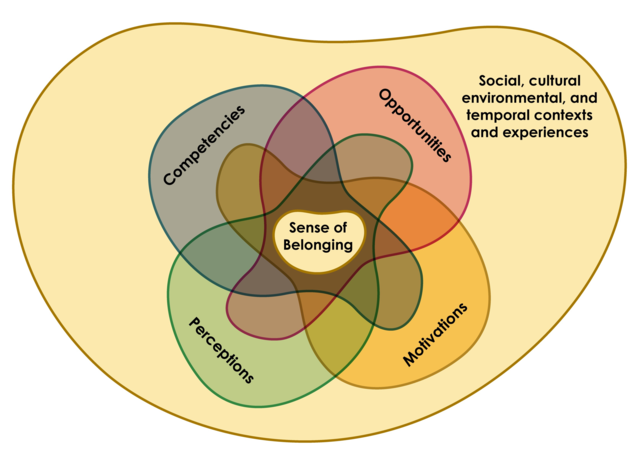
A closely related pattern appears in how to create a positive work culture, which adds more context to this behavior.
What Not to Assume About Belonging
It’s important to avoid making assumptions about what belonging looks like for different individuals. Just because one employee thrives in social settings doesn’t mean another will feel the same way. Some may prefer quieter, one-on-one interactions, while others may flourish in group activities. Understanding these nuances is crucial in creating a truly inclusive environment.
Additionally, don’t assume that belonging is solely the responsibility of management or HR. Every employee plays a role in fostering a sense of community. Encouraging peer support, mentorship, and collaboration can empower everyone to contribute to a culture of belonging.
A closely related pattern appears in Why Do People Gossip at Work? Unpacking Office Dynamics, which adds more context to this behavior.
Taking Action to Enhance Belonging
To truly enhance the sense of belonging at work, consider implementing regular team-building exercises that focus on relationship-building rather than just task completion. Activities that encourage vulnerability, such as sharing personal stories or participating in group challenges, can help deepen connections.
Moreover, consider creating a belonging task force within your organization. This group could be responsible for assessing the current culture, identifying areas for improvement, and implementing initiatives that promote inclusivity and connection. By taking proactive steps, you can create a workplace where everyone feels they truly belong.
A closely related pattern appears in How to Create a Family Genogram: Understanding Your Family Dynamics, which adds more context to this behavior.
Frequently asked questions
What are some signs that employees feel they belong at work?
Signs of belonging can include employees actively participating in discussions, collaborating with others, expressing their ideas freely, and showing enthusiasm for team projects. Additionally, employees who feel they belong are more likely to support their colleagues and contribute positively to the workplace culture.
How can leaders promote a sense of belonging?
Leaders can promote belonging by modeling inclusive behavior, actively listening to employees, and creating opportunities for team bonding. Regular feedback sessions and recognition of individual contributions can also help foster a sense of belonging among team members.
Learn more:
About Us |
Editorial Policy |
Content Quality Standards |
Disclaimer