

You may not realize it, but your past experiences—especially negative ones—can heavily color your perceptions in a new relationship. This can lead to misunderstandings and biases you carry over unknowingly. What can you do to avoid bringing past biases into your new relationship, and how can you ensure a fresh start without the weight of previous experiences dragging you down?
Understanding Cognitive Biases in Relationships
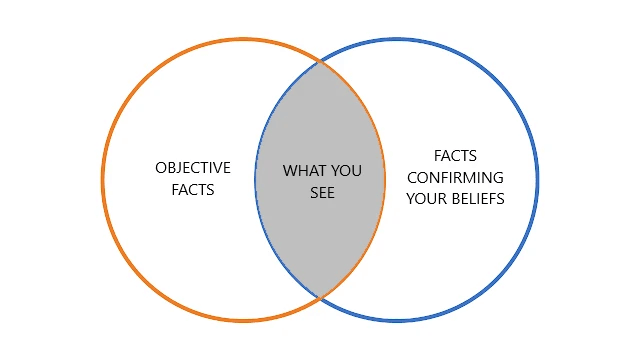
Cognitive biases are mental shortcuts we take when processing information, often leading to systematic errors in judgment. When starting a new relationship, you might unconsciously let past experiences dictate how you assess your partner. For example, if your last partner was dismissive, you might misinterpret your new partner’s nonchalant behavior as a lack of interest. Recognizing that these automatic reactions may not reflect reality is your first step toward avoiding them.
By understanding how biases work, you can challenge your perceptions and ask yourself whether they are based on current actions or past misfortunes.
A closely related pattern appears in what does it mean when my partner avoids deep conversations, which adds more context to this behavior.
Recognizing Patterns from Past Relationships
Many people often carry forward learned behaviors and expectations from prior relationships, which can skew their understanding of new partnerships. It’s essential to identify which patterns might be influenced by previous relationships and how they differ from your new partner. For instance, if you were often criticized in the past, you might be more sensitive to any feedback, interpreting it as another potential conflict.
Take time to reflect on how your past shapes your responses. Journaling your thoughts can help clarify what triggers you might need to re-evaluate.
A closely related pattern appears in why do I always feel the urge to pull away after getting close to someone, which adds more context to this behavior.
Communication Is Key
Clear, open communication with your new partner is crucial. Discuss any fears or concerns arising from past experiences—as these conversations can foster understanding and support. Establishing safe spaces for such discussions allows both partners to express their feelings and learn about each other more deeply without biases clouding the conversation.
Encouraging your partner to share their perspectives also allows them to voice their own concerns about past relationships, leading to a healthier dialogue.
A closely related pattern appears in what does it mean if I feel distant from my partner after we discuss love, which adds more context to this behavior.
Cultivating Mindfulness
Practicing mindfulness can significantly help in recognizing when past biases influence your emotions in the present. Engage in activities like meditation or deep-breathing exercises to ground yourself in the now. By creating moments of awareness, you can assess whether your reactions stem from your current relationship dynamics or past hurt.
This technique also allows you to remain open-minded and avoid jumping to conclusions about your partner’s actions.
A closely related pattern appears in what does it mean when my partner reassures me but I still feel distant, which adds more context to this behavior.
Empathy and Understanding
Empathy plays a vital role in navigating the complexities of a new relationship. Remember, your new partner is not your ex; they deserve a clean slate. Practicing empathy means trying to understand their feelings and perspectives, acknowledging that they come from a place separate from your past experiences. This can significantly diminish the impulse toward biased reactions.
Part of empathy is also recognizing that everyone has flaws. Being able to accept imperfections in both yourself and your partner can allow for more authentic interactions and a deeper connection.
A closely related pattern appears in why does my partner seem distant even after being intimate, which adds more context to this behavior.
Frequently asked questions
How to not let past relationships affect new ones?
Focus on self-awareness and communication. Reflect on past experiences and actively choose to engage with your new partner based on present actions.
What is the 65% rule in relationships?
The 65% rule suggests that in any relationship, it’s essential to be satisfied with at least 65% of the relationship. This helps navigate issues without holding regrets from past relationships.
What is pocketing in a relationship?
Pocketing refers to when someone keeps their partner hidden from their social circles, often due to insecurities or biases stemming from past relationships.
Learn more:
About Us |
Editorial Policy |
Content Quality |
Disclaimer