

Have you ever left a conversation feeling more confused than understood, as if your thoughts and feelings didn’t quite matter? If you’re wondering what it means when you feel invalidated during conversations, know you’re not alone. This experience can stir a deep sense of loneliness and frustration, especially when communication seems so crucial in relationships.
Understanding Invalidation: A Personal Experience
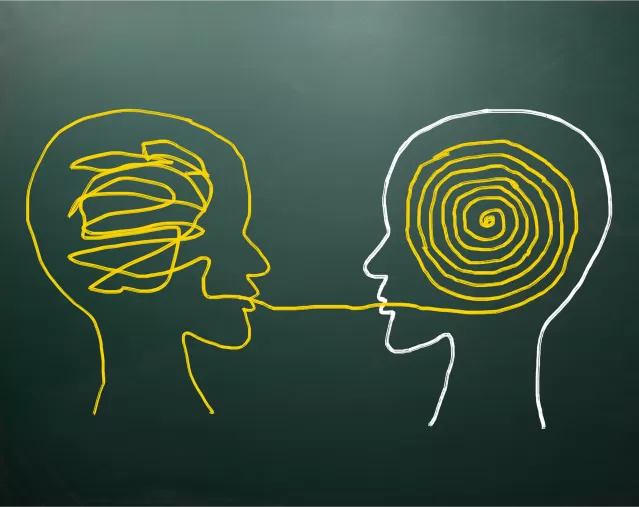
Feeling invalidated during conversations often manifests as a nagging doubt that your feelings or opinions are unworthy of attention. It’s as if your truth gets overshadowed by someone else’s narrative. This phenomenon isn’t merely about misunderstandings; it reflects deeper emotional dynamics at play between the individuals involved. You might find that experiences of invalidation leave you questioning your feelings, making you wonder if your reactions are justified.
Whether it was a dismissive remark or a failure to engage with your perspective, the result is similar: a sense of isolation and a feeling that your emotional world isn’t valued. Recognizing this sensation is the first step toward understanding why it occurs.

A closely related pattern appears in what does it mean when I feel emotionally distant from my partner during sex, which adds more context to this behavior.
Why You Might Feel Invalidated
The reasons behind feeling invalidated can vary widely. One possibility is that the other person may be preoccupied with their own emotions and may not have the capacity to truly listen. In many cases, people misinterpret or fail to acknowledge the signals being sent, leading to feelings of inadequacy or frustration. This disconnect can be particularly prevalent in relationships where emotional patterns and expectations collide.
Context matters as well; someone may unintentionally invalidate you if they come from a background that values different forms of communication. The interpersonal dynamics can be complex, involving unresolved past issues or divergent communication styles that create a fertile ground for misunderstandings.
A closely related pattern appears in what does it mean when you feel distant from your partner during conflicts, which adds more context to this behavior.
Different Meanings Based on Context
Feeling invalidated can mean different things depending on various factors. If it’s coming from a partner or a close friend, it might trigger feelings of betrayal or disappointment. Alternatively, if it’s from a colleague or acquaintance, the impact may be less personal but still frustrating. It’s important to unpack these contexts to grasp the full meaning of your experience.
Another layer is the underlying emotional state of the person who is invalidating you; their own insecurities or emotional struggles might reflect onto your situation. Therefore, understanding that these feelings can originate from both internal and external sources may help you navigate the nuances of your feelings.
A closely related pattern appears in what does it mean when someone avoids eye contact during conversations, which adds more context to this behavior.
What Not to Assume Too Quickly
It’s easy to jump to conclusions and label someone as inconsiderate or dismissive when you feel invalidated. However, making assumptions can cloud your judgment. Instead of thinking, ‘They don’t care about me,’ consider that they may not have the emotional tools to engage in the way you need.
Additionally, not every instance of feeling invalidated is a reflection of someone else’s intent to undermine you. Miscommunications can happen to anyone, and the context of a conversation can shift rapidly. Fostering an attitude of curiosity rather than judgment can sometimes reveal insights about both your feelings and the other person’s.
A closely related pattern appears in what does it mean when conversations with my partner feel shallow, which adds more context to this behavior.
Interpreting the Pattern: Moving Forward
The key to addressing these feelings lies in understanding the patterns of communication in your relationships. If invalidation is a recurring theme, it may be beneficial to have a candid discussion with the person involved about how their communication style affects you. Approach the conversation with a spirit of openness and a desire for mutual understanding.
Additionally, practicing self-validation can be a powerful tool. Remind yourself that your thoughts and feelings hold merit, regardless of how others may perceive them. Moreover, if a relationship consistently leaves you feeling invalidated, it may be worth reevaluating the dynamics to foster a healthier connection.
A closely related pattern appears in why do I feel overwhelmed during tough conversations, which adds more context to this behavior.
Frequently asked questions
What does emotional invalidation mean?
Emotional invalidation occurs when someone’s feelings or thoughts are disregarded, dismissed, or deemed unworthy by another person. This can lead to feelings of doubt and confusion about one’s own emotional experiences.
How can I communicate my feelings of invalidation?
It’s important to express your feelings calmly and clearly, focusing on specific instances where you felt invalidated. Use ‘I’ statements to communicate how their actions affect you, fostering a more productive dialogue.
Learn more:
About Us |
Editorial Policy |
Content Quality Standards |
Disclaimer