

When you think about fatherhood today, it might feel like a world away from the traditional image of a dad—a strong provider, stoic and distant. If you’re grappling with questions about the modern dad’s role, you’re not alone. Society’s evolving views on masculinity, caregiving, and family dynamics are reshaping what it means to be a father in the 21st century. This article delves into the emotional landscape of fatherhood today.
The Evolving Role of Fathers
In the past, the archetype of the father revolved around the idea of the breadwinner, the protector, and the moral compass of the family. But now, fathers are seen in various roles—stay-at-home dads, co-parents, and even single fathers. This shift reflects broader societal changes that challenge conventional gender roles and expectations. Today’s fathers aren’t just providers; they are active participants in their children’s lives, significantly influencing their development and well-being.
Research indicates that children benefit immensely from being raised by involved fathers, experiencing better emotional, social, and academic outcomes. The evolving narrative means fathers can now embrace nurturing roles while also providing guidance, leading to healthier family dynamics.

A closely related pattern appears in how to tell if someone feels left out in a group, which adds more context to this behavior.
Why These Changes Are Happening
Several factors contribute to the transformation of fatherhood in today’s society. First, the rise of dual-income households has necessitated shared parenting roles, and societal pressure for men to be solely the breadwinner has diminished. Economic shifts, including the increasing financial independence of women, allow both parents to engage equally in caregiving.
Furthermore, societal attitudes toward masculinity are changing. Fathers are increasingly encouraged to express emotions, promote vulnerability, and actively participate in their children’s day-to-day lives. This cultural shift is crucial not only for personal development but also for challenging outdated notions of masculinity.
A closely related pattern appears in what does it mean if I’m always on the fringes of social groups, which adds more context to this behavior.
Different Interpretations Across Cultures and Contexts
The concept of fatherhood varies widely across different cultures and contexts. For instance, in certain communities, extended family plays a significant role, and fatherly responsibilities may be shared more broadly among male relatives. Additionally, cultural narratives around masculinity can shape how fatherhood is perceived—what’s celebrated in one culture may not hold the same value in another.
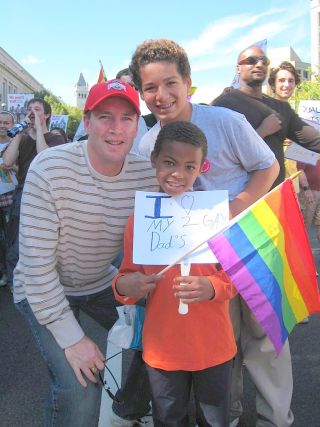
Moreover, as our society becomes increasingly diverse, figures like LGBTQ+ fathers are reshaping traditional narratives about family and parenthood. Each diverse family structure brings unique challenges and strengths, bringing valuable insights into what it means to be a father today.

A closely related pattern appears in why do I hesitate to join group fitness classes, which adds more context to this behavior.
What You Shouldn’t Assume About Modern Fathers
One common misconception is that modern fathers are abandoning their responsibilities. In reality, many fathers are simply redefining their roles in ways that may not fit traditional expectations. Engaging fully in their children’s lives does not negate their ability to be providers or protectors; instead, it adds depth to their role as fathers.
Another assumption is that all fathers have access to the support systems they need to thrive in their roles. Social perceptions around mental health and male vulnerability can overshadow the reality that many fathers struggle with these issues. Context matters; understanding a father’s individual circumstances is essential for an empathetic approach.
A closely related pattern appears in what does it mean if I can’t express my feelings in conversations, which adds more context to this behavior.
Toward a More Comprehensive Understanding of Fatherhood
Understanding modern fatherhood requires recognizing its complexity. Fathers today navigate different expectations and pressures, balancing their need for personal fulfillment with societal demands. Engaging with their children on emotional levels is vital, yet many fathers still grapple with the weight of traditional masculinity expectations.
To foster healthier family dynamics, society needs to encourage men to explore what fatherhood means to them personally, away from stereotypes. As we continue to break down these old constructs, we can build an understanding of fatherhood that celebrates diversity and emotional engagement.
A closely related pattern appears in what can I do if I’m feeling dissatisfied with my body after watching porn, which adds more context to this behavior.
Frequently asked questions
How has the role of fathers changed in recent years?
The role of fathers has evolved from being primarily breadwinners to becoming active participants in caregiving and emotional support. Many fathers now share parenting responsibilities equally with mothers, adapting to new societal expectations and family dynamics.
What impact do fathers have on child development?
Research shows that involved fathers positively influence their children’s emotional health, social skills, and academic performance. Children with engaged dads tend to exhibit fewer behavioral problems and better overall well-being.
Learn more:
About Us |
Editorial Policy |
Content Quality Standards |
Disclaimer