
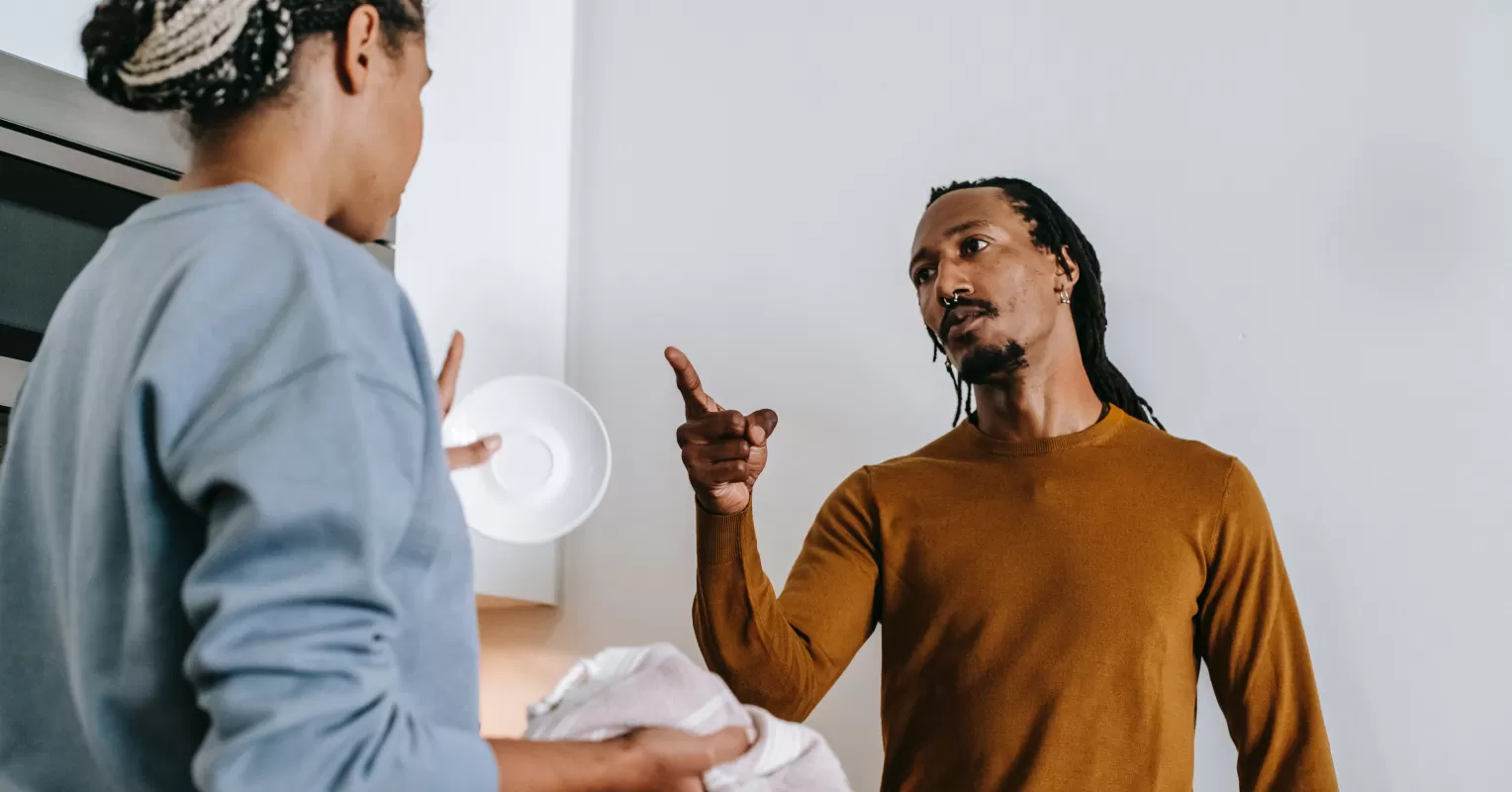
Have you ever found yourself in a heated argument, wondering what it really means to be the bigger person? It’s a phrase often tossed around, but its true essence can be confusing. You might feel compelled to resolve conflicts gracefully, yet struggle with what that looks like in practice. Let’s dive into this concept and uncover its deeper meanings, especially in the context of relationships.
Understanding the Bigger Person Concept
Being the bigger person often implies taking the high road during conflicts, suggesting that one should prioritize resolution over being right. This can manifest as letting go of grudges, offering apologies, or simply choosing to disengage from a toxic argument. Yet, the reality is more nuanced. It’s not merely about conceding or ignoring your feelings; it’s about recognizing the importance of emotional health in your relationships.
In many cases, this means actively choosing to engage in constructive dialogue rather than escalating tensions. It’s a decision rooted in self-awareness and empathy, aiming to foster understanding rather than division.

A closely related pattern appears in What Does It Mean to Nag Someone? Understanding This Relationship Signal, which adds more context to this behavior.
A closely related pattern is explored in what does it mean when someone smiles at you, which adds useful context to this topic.
Why Do We Struggle with This Concept?
The struggle often lies in our innate desire to be validated and heard. When emotions run high, the instinct to defend our positions can overshadow the need for connection. This is particularly true in intimate relationships where stakes feel higher. The irony is that being the bigger person can sometimes feel like a personal defeat, leading to confusion about whether it’s worth it.
Moreover, societal expectations can complicate this. We’re often taught that winning an argument is synonymous with being right, but this binary thinking can hinder our ability to navigate complex emotional landscapes.

A closely related pattern appears in what does it mean to be parentified, which adds more context to this behavior.
Different Contexts and Their Meanings
The meaning of being the bigger person can vary significantly depending on the context. In a low-stakes argument, such as a minor disagreement about preferences, letting the other person have the last word might be a simple way to maintain harmony. However, in more serious conflicts, such as those involving trust or betrayal, being the bigger person may require assertiveness and setting boundaries.
In some cases, it could mean recognizing when to walk away from a relationship that no longer serves you, rather than forcing a resolution. Understanding these nuances is crucial for healthy relationship dynamics.

A closely related pattern appears in what does it mean to be a masochist, which adds more context to this behavior.
What Not to Assume
It’s easy to assume that being the bigger person means sacrificing your own needs. However, this can lead to resentment and imbalance in relationships. It’s essential to remember that being the bigger person doesn’t mean ignoring your feelings or allowing others to walk all over you.
Instead, it can involve standing firm in your beliefs while also being open to dialogue. This balance is key to maintaining healthy boundaries and mutual respect.
A closely related pattern appears in What It Means to Feel Hopeless: Understanding Your Emotions, which adds more context to this behavior.
Moving Forward with Clarity
To truly embody the spirit of being the bigger person, it’s important to cultivate self-awareness and emotional intelligence. Reflect on your motivations during conflicts: are you seeking resolution or validation? This understanding can guide your actions and help you navigate disagreements more effectively.
Additionally, practicing active listening and empathy can transform how you approach conflicts. By valuing the other person’s perspective, you create an environment conducive to resolution, making it easier to be the bigger person when it truly counts.
A closely related pattern appears in what does it mean when my partner becomes distant after I talk about AI, which adds more context to this behavior.
Frequently asked questions
Is being the bigger person always the right choice?
Not necessarily. While it can foster healthier relationships, it’s important to assess each situation. Sometimes, setting boundaries or walking away is the more appropriate action.
How can I tell if I’m being the bigger person or just avoiding conflict?
Reflect on your motivations. If you’re prioritizing emotional health and mutual respect, you’re likely being the bigger person. If you’re suppressing your feelings to avoid confrontation, it may be avoidance rather than resolution.
Learn more: About Us | Editorial Policy | Content Quality Standards | Disclaimer