
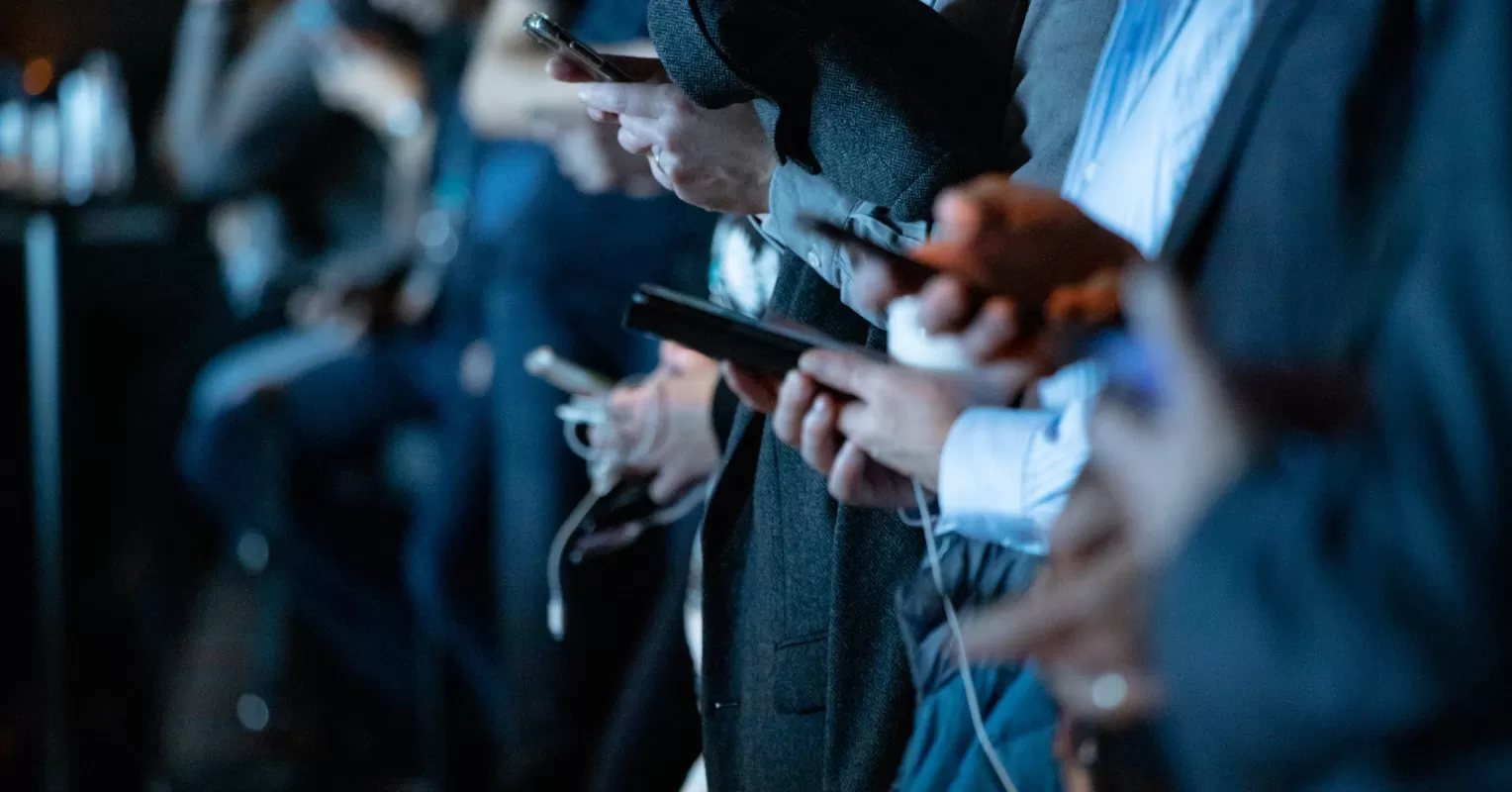
Ever posted something online, only to find yourself anxiously checking for likes and comments? If you’ve ever wondered why you or someone else seeks validation on social media, you’re not alone. This behavior often stems from deeper emotional needs and attachment styles that can influence how we connect—or disconnect—from others.
The Emotional Craving for Validation
In today’s digital age, social media platforms are more than just communication tools; they serve as a stage for our self-worth. When we share a moment—a promotion, a new outfit, or even a heartfelt message—we often hope for a response that reassures us we matter. This need for validation can feel overwhelming, especially when the likes and comments don’t come pouring in as expected. It’s as if our self-esteem hangs in the balance, swaying with each notification.
For many, this behavior is not just about seeking attention; it can be a way to combat feelings of inadequacy or loneliness. The instant feedback from social media can provide a temporary boost, but it can also lead to a cycle of dependency, where the individual feels the need to post more frequently to maintain that sense of worth.

A closely related pattern appears in how to stop seeking validation from others, which adds more context to this behavior.
Why Do People Seek Validation?
The reasons behind seeking validation on social media can vary widely, but they often link back to attachment styles. Those with anxious attachment may crave reassurance from others, fearing abandonment or rejection. They might feel a rush of relief when they receive likes or positive comments, interpreting these interactions as proof of their worthiness. Conversely, individuals with avoidant attachment might use social media to maintain distance, interacting with celebrities or influencers rather than peers, thus avoiding the intimacy that comes with close relationships.
In many cases, these behaviors can stem from past experiences—whether it’s childhood dynamics or previous relationships that have shaped how one views themselves and their connections with others.
A closely related pattern appears in why do I feel the need to seek validation from AI instead of friends, which adds more context to this behavior.
Different Contexts of Validation Seeking
The context in which someone seeks validation can significantly influence their behavior. For instance, during times of stress or sadness, individuals may turn to social media as a coping mechanism, hoping to find comfort in the support of their online community. However, this can backfire; research suggests that negative posts can lead to unfavorable perceptions, making the poster seem less likable.
It’s essential to recognize that the desire for validation can manifest differently depending on the individual’s emotional state and social environment. Some may use social media to vent their frustrations, while others might project an idealized version of themselves to gain approval.

What Not to Assume About Social Media Behavior
It’s easy to label someone as attention-seeking when they post frequently or share personal struggles online. However, this perspective overlooks the complexities of human behavior. Not everyone who seeks validation is insecure; for some, it’s a way to connect and share experiences. Additionally, individuals with avoidant attachment may seem less engaged online, but this doesn’t mean they don’t value relationships—rather, they may be protecting themselves from emotional risks.
Understanding these nuances is crucial. Instead of jumping to conclusions, consider the underlying emotional patterns that may be influencing someone’s social media behavior.
Interpreting Your Own Social Media Patterns
If you find yourself frequently seeking validation online, take a moment to reflect on your motivations. Are you looking for reassurance during difficult times? Or perhaps you’re trying to project an image of success? Recognizing these patterns can empower you to make more conscious choices about your social media use.
Consider diversifying your sources of validation. Engaging in face-to-face interactions or pursuing hobbies that boost your self-esteem can provide a more stable sense of worth than social media ever could. Ultimately, understanding your emotional needs can lead to healthier relationships both online and offline.
Frequently asked questions
Why do people feel the need for validation?
The need for validation often stems from emotional insecurities and attachment styles. Individuals may seek reassurance from others to combat feelings of inadequacy or loneliness.
How does attachment style influence social media behavior?
Attachment styles can dictate how individuals interact on social media. Those with anxious attachment may seek more feedback and reassurance, while those with avoidant attachment might prefer to engage in less intimate interactions.
Learn more:
About Us |
Editorial Policy |
Content Quality Standards |
Disclaimer