
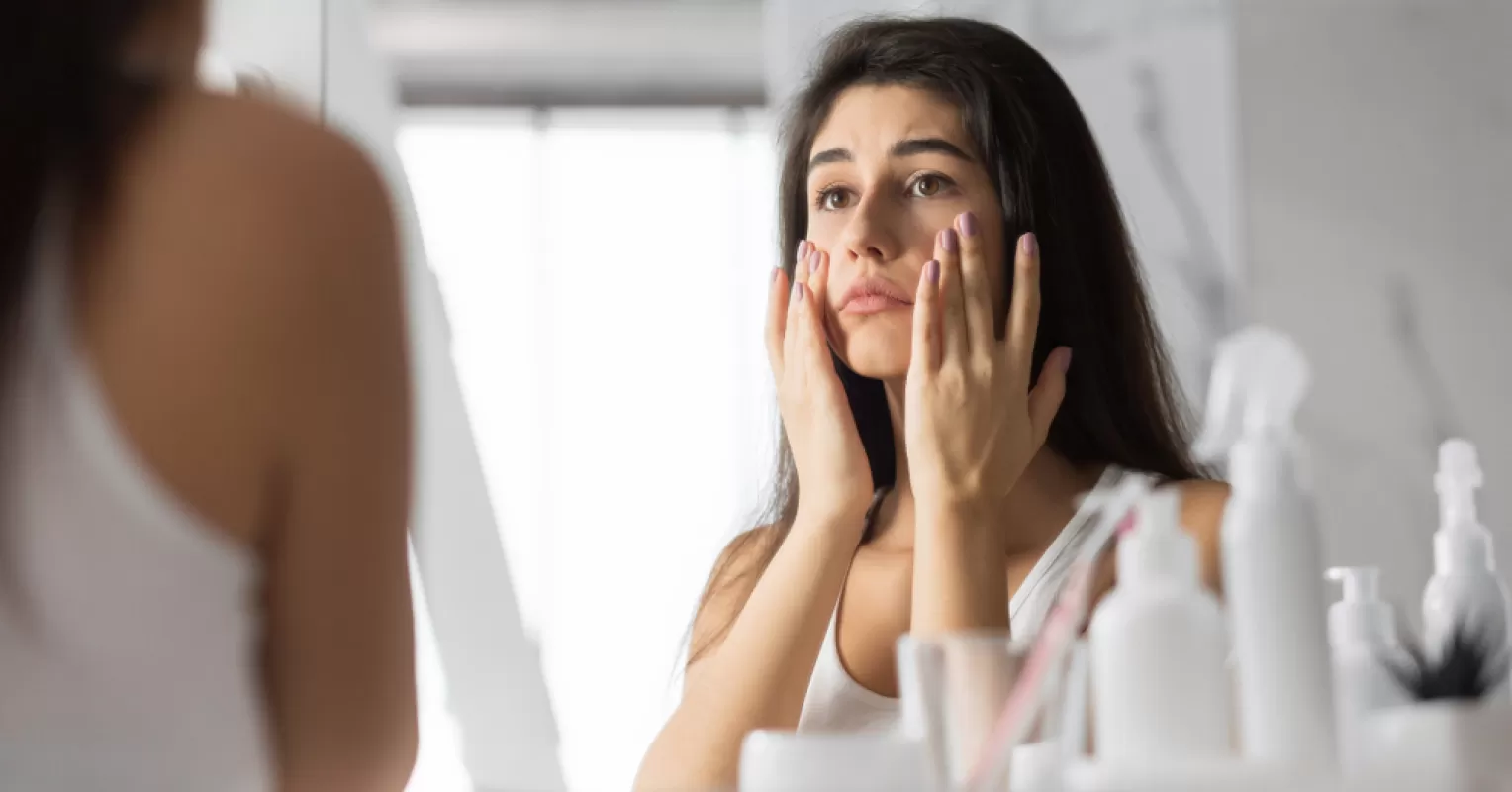
If you’ve noticed your friend struggling with body image issues, you might be feeling a mix of concern and confusion. It’s tough to watch someone you care about grapple with their self-esteem, especially when it seems like they’re not even aware of the depth of their struggle. You may wonder, ‘How can I help my friend with body image issues without making things worse?’ You’re not alone in this; many people find themselves in similar situations, feeling unsure of how to approach the topic sensitively.
Recognizing the Signs of Body Image Issues
Body image issues can manifest in various ways, often subtly at first. You might notice your friend frequently commenting negatively on their appearance or avoiding social situations where they feel exposed. These behaviors can be signals of deeper insecurities. Sometimes, they might even engage in unhealthy habits, like extreme dieting or excessive exercising, in an attempt to conform to perceived standards of beauty.
It’s essential to understand that these signs are not merely superficial; they often stem from complex emotional and psychological patterns. For instance, a friend who constantly compares themselves to others may be struggling with self-worth and validation, which can be exacerbated by societal pressures.

A closely related pattern appears in How to Help a Friend with Trauma: Understanding the Signs and Support St…, which adds more context to this behavior.
Why Body Image Issues Arise
Body image issues can stem from various sources, including societal expectations, personal experiences, and even past relationships. For instance, if your friend has faced romantic rejection, it might intensify their feelings of inadequacy, leading to a distorted self-image. This connection between romantic experiences and body dissatisfaction is often overlooked but can be profoundly impactful.
Additionally, the rise of social media has created an environment where unrealistic beauty standards are constantly reinforced. Your friend may feel pressured to meet these standards, which can lead to a cycle of negative self-perception. Understanding these underlying factors can help you approach the situation with empathy and insight.

A closely related pattern appears in how to help someone who feels hopeless, which adds more context to this behavior.
Different Contexts of Body Image Issues
The context surrounding body image issues is crucial. For instance, a friend who is dealing with stress from work or personal relationships may be more vulnerable to negative body perceptions. Conversely, someone with a supportive network may navigate these feelings more effectively. Recognizing the context can help you tailor your approach when offering support.
It’s also important to remember that body image issues can affect anyone, regardless of gender. While societal pressures often target women, men can experience similar struggles, albeit in different ways. Being aware of these nuances can help you communicate more effectively and sensitively.

A closely related pattern appears in how to help someone with social anxiety, which adds more context to this behavior.
What Not to Assume
One common misconception is that simply complimenting your friend will resolve their body image issues. While positive reinforcement can help, it’s not a one-size-fits-all solution. Your friend may need to address deeper emotional concerns that compliments alone cannot resolve. Avoid assuming that they will respond positively to well-meaning comments about their appearance; instead, focus on creating a safe space for them to express their feelings.
Additionally, refrain from making comparisons to others, even if your intentions are good. Statements like ‘You’re so much prettier than X’ can inadvertently minimize their feelings and create further confusion. Instead, listen actively and validate their experiences.
A closely related pattern appears in how to help someone express their feelings, which adds more context to this behavior.
How to Approach the Conversation
When you’re ready to talk to your friend about their body image issues, approach the conversation with care. Start by expressing your concern in a non-judgmental way. You might say something like, ‘I’ve noticed you seem a bit down about your appearance lately, and I just want you to know I’m here for you.’ This opens the door for dialogue without placing blame or pressure on them.
Encourage them to share their feelings and listen actively. Sometimes, just having someone to talk to can make a significant difference. You might also suggest professional help if they seem open to it, but do so gently. Remember, your role is to support, not to fix.
Frequently asked questions
What should I say to a friend with body image issues?
Start by expressing your concern and let them know you’re there to listen. Avoid making assumptions or offering unsolicited advice. Instead, focus on creating a supportive environment where they feel safe to share their feelings.
How can I help without making it worse?
Be empathetic and avoid minimizing their feelings. Listen actively and validate their experiences. Encourage open dialogue and suggest seeking professional help if they seem receptive.
Learn more:
About Us |
Editorial Policy |
Content Quality Standards |
Disclaimer