
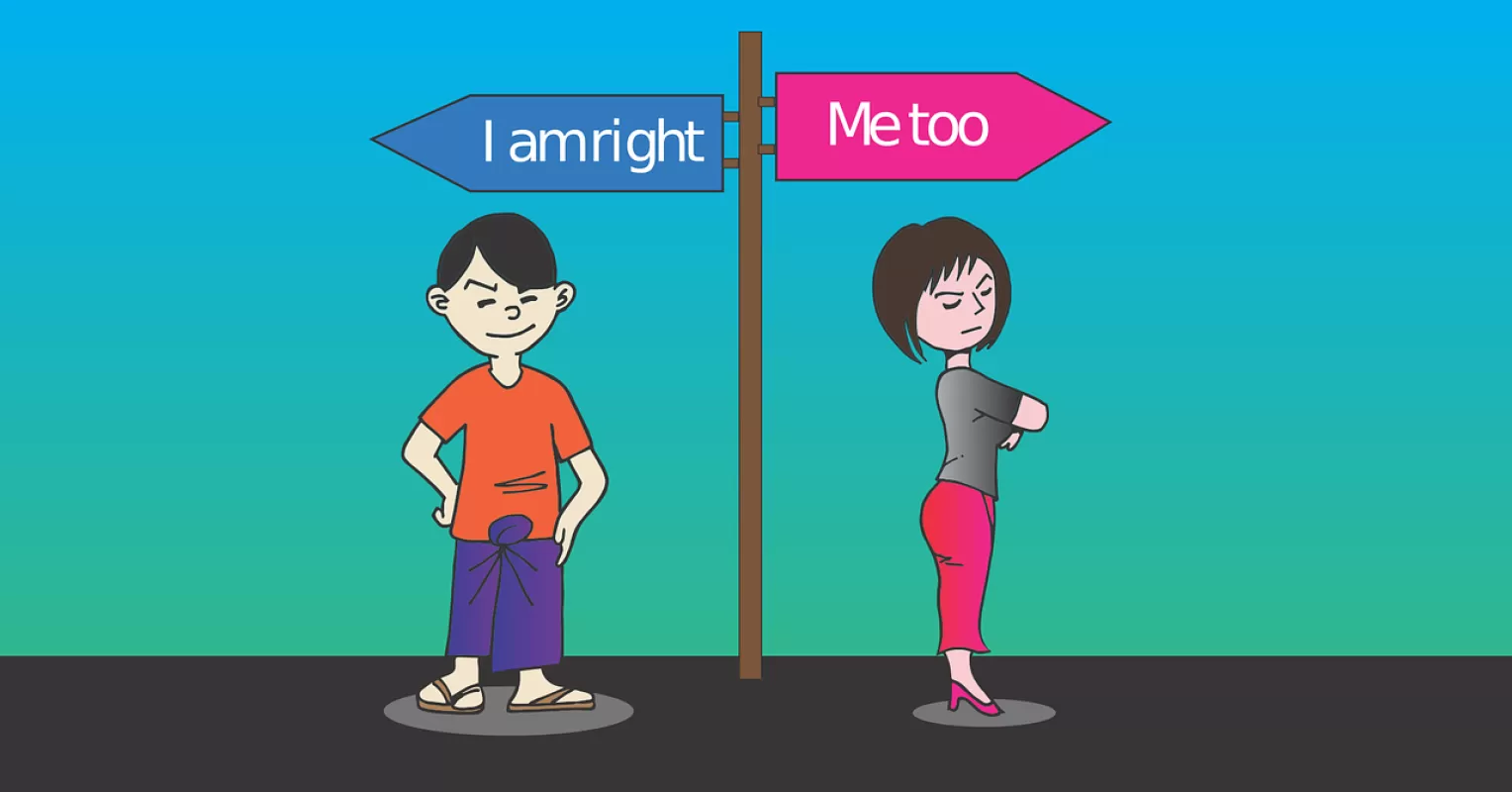
Have you ever found yourself in a conversation with your partner that quickly spirals into misunderstandings and hurt feelings? Navigating difficult conversations can feel like walking through a minefield, especially when emotions run high. You might be wondering how to express your feelings without escalating the situation, and you’re not alone in this struggle. Many couples face the challenge of communicating effectively during tough discussions, often leading to frustration and confusion.
Understanding the Challenge
Difficult conversations often arise from misunderstandings or differing perspectives. When emotions are involved, it can be easy to misinterpret your partner’s words or intentions. This miscommunication can escalate conflicts, making it harder to reach a resolution. Recognizing that both partners may have valid feelings is the first step in navigating these conversations more effectively.
In many cases, the root of the problem lies in how we express our emotions. For example, using extreme language—like ‘always’ or ‘never’—can trigger defensiveness in your partner, leading to a breakdown in communication. Understanding this dynamic can help you approach discussions with greater empathy and clarity.

A closely related pattern appears in why do people avoid difficult conversations, which adds more context to this behavior.
Why Emotions Matter
Emotions play a crucial role in how we communicate during difficult conversations. When we feel threatened or misunderstood, our natural instinct may be to react defensively. This can lead to a cycle of escalation, where both partners feel attacked and become less willing to listen to each other.
One possibility is that your partner’s emotional responses may stem from past experiences or insecurities. For instance, if your partner has been criticized in the past, they may perceive your words as an attack, even if that’s not your intention. Recognizing these emotional triggers can help you navigate conversations with more sensitivity.

A closely related pattern appears in how to have difficult conversations with your boss, which adds more context to this behavior.
Different Ways to Approach Conversations
There are various strategies you can employ to make difficult conversations more productive. One effective method is to use ‘I’ statements instead of ‘you’ statements. For example, saying ‘I feel hurt when…’ rather than ‘You always make me feel…’ can reduce defensiveness and open the door for more constructive dialogue.
Additionally, consider establishing a safe space for conversations. This could mean agreeing on a time to talk when both of you are calm or setting ground rules for how to communicate respectfully. Creating an environment where both partners feel heard can significantly improve the quality of your discussions.

What Not to Assume
It’s essential to avoid making assumptions about your partner’s intentions or feelings during a difficult conversation. Just because they react strongly doesn’t mean they don’t care about your perspective. Instead, try to ask clarifying questions to better understand their viewpoint.
For instance, if your partner seems upset, instead of assuming they’re angry at you, consider asking, ‘Can you help me understand what you’re feeling right now?’ This approach fosters openness and encourages your partner to share their thoughts without feeling judged.
Moving Forward with Clarity
After navigating a tough conversation, take time to reflect on what worked and what didn’t. Discussing the conversation afterward can help both partners understand each other’s perspectives better and identify areas for improvement in future discussions.
Remember, navigating difficult conversations is a skill that takes practice. By approaching these discussions with empathy, clarity, and an open mind, you can strengthen your relationship and foster a deeper connection with your partner.
Frequently asked questions
How can I stay calm during difficult conversations?
Staying calm can be challenging, but focusing on your breath and taking breaks if needed can help. Remind yourself that the goal is to understand each other, not to win an argument.
What if my partner isn’t willing to talk?
If your partner is not ready to engage in a difficult conversation, respect their need for space. You can suggest revisiting the topic later when both of you feel more prepared.
Learn more:
About Us |
Editorial Policy |
Content Quality Standards |
Disclaimer