

Ever noticed how the words people choose can reveal their social standing? If you’ve found yourself wondering how language reflects social status, you’re not alone. This subtle yet powerful aspect of communication can shape our perceptions and interactions in profound ways, often without us even realizing it.
The Connection Between Language and Social Status
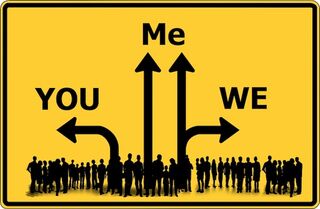
Language is more than just a means of communication; it’s a reflection of our identity and social standing. The words we choose, the way we structure our sentences, and even our use of pronouns can signal where we fit within societal hierarchies. For instance, leaders often use inclusive language, opting for ‘we’ instead of ‘I,’ which can convey a sense of unity and collective purpose. This choice can elevate their perceived status and foster a stronger connection with their audience.
Conversely, those in subordinate roles might lean more on first-person singular pronouns, which can indicate a lower social standing or a desire to assert individuality in a group context. This interplay of language and status is not merely academic; it plays out in everyday interactions, influencing how we perceive authority and belonging.

A closely related pattern appears in why do I compare myself to others on social media so much, which adds more context to this behavior.
Why Do We Use Certain Words?
The reasons behind our language choices can be complex. Often, they stem from social conditioning, where individuals learn to adapt their speech patterns to fit the expectations of their environment. For example, in professional settings, using inclusive language can enhance a leader’s appeal, suggesting they prioritize teamwork and collaboration over individual ambition.
Additionally, cultural factors play a significant role. In some societies, collective pronouns may be favored to promote group identity, while in others, individualistic language might be celebrated. Understanding these motivations can illuminate why certain linguistic patterns emerge in specific contexts.
Context Matters: Situational Influences on Language
The context in which language is used can dramatically alter its meaning. In a job interview, for instance, a candidate’s use of ‘I’ may reflect confidence and assertiveness, but it might also come across as self-centered if overused. On the other hand, employing ‘we’ could suggest teamwork and a collaborative spirit, traits often valued by employers.
Moreover, social dynamics can shift the perception of language. In a competitive environment, individuals may feel pressured to assert their status through language, leading to a more pronounced use of self-referential pronouns. Recognizing these nuances can help us navigate conversations more effectively.

What Not to Assume About Language and Status
It’s crucial not to jump to conclusions based solely on language use. While certain patterns may suggest social status, they do not provide a complete picture. For instance, someone using ‘I’ frequently may not necessarily be insecure; they might simply be expressing their thoughts in a context that values individual contributions.
Additionally, the interpretation of language can vary widely across different cultures and social groups. What might be perceived as assertive in one context could be seen as presumptuous in another. Therefore, understanding the broader social landscape is essential for accurately interpreting linguistic signals.
Enhancing Awareness of Language Patterns
Becoming more aware of how language reflects social status can empower us in our interactions. By recognizing the subtle cues in our speech and that of others, we can adjust our communication style to foster better connections and understanding. For instance, using inclusive language can enhance collaboration and create a more welcoming environment.
Moreover, being mindful of our language can help us navigate social hierarchies more effectively, whether in personal relationships or professional settings. The next time you engage in conversation, consider the power of your words and how they might influence your social standing and the dynamics of your relationships.
Frequently asked questions
How does language affect social interactions?
Language can shape social interactions by signaling status, authority, and group belonging. The choice of words and pronouns can influence how individuals are perceived and can either foster connection or create distance.
Can language change based on social context?
Yes, language often adapts to fit social contexts. For example, in formal settings, individuals may use more inclusive language, while in casual environments, they might opt for more personal expressions.
Learn more:
About Us |
Editorial Policy |
Content Quality Standards |
Disclaimer