

Have you ever felt like no matter what you achieve, it’s never quite enough? This nagging feeling can often leave you questioning your self-worth. Understanding what it means to have self-worth is crucial, especially when you feel you’re constantly striving for validation from others. Let’s explore this complex emotional landscape together.
Defining Self-Worth
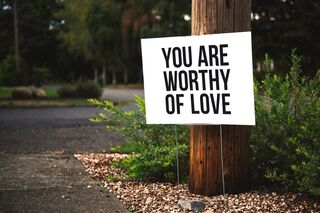
Self-worth is essentially the value you assign to yourself. It’s a deep-seated belief that you are inherently deserving of love, respect, and happiness, regardless of your achievements or external validation. This concept can often feel elusive, especially when societal pressures lead us to equate our worth with our successes or the approval of others.
When you have a strong sense of self-worth, you’re more likely to pursue your passions and make decisions that align with your true self. Conversely, a shaky sense of self-worth can lead to feelings of inadequacy and a constant need for external approval.

A closely related pattern appears in What It Means to Feel Hopeless: Understanding Your Emotions, which adds more context to this behavior.
A closely related pattern is explored in what does it mean to be an empathic person, which adds useful context to this topic.
Why Self-Worth Matters
Understanding your self-worth can significantly impact your mental health and overall well-being. When you recognize your intrinsic value, you’re less likely to fall into the trap of comparing yourself to others. This awareness can foster healthier relationships, as you’re less dependent on others for validation.
In many cases, people who struggle with self-worth may find themselves in a cycle of seeking approval from external sources—friends, family, or society—leading to feelings of emptiness when that validation is absent. This cycle can be exhausting and disheartening.
A closely related pattern appears in what does it mean to feel objectified, which adds more context to this behavior.
The Context of Self-Worth
Self-worth is not a static concept; it can fluctuate based on life experiences, relationships, and personal growth. For instance, achieving a career milestone might temporarily boost your self-worth, but if you tie your value solely to that achievement, you may feel lost when facing setbacks.
Cultural and familial influences also play a significant role in shaping your self-worth. If you grew up in an environment where your worth was tied to performance, you might find it challenging to separate your identity from your achievements.

A closely related pattern appears in What Does It Mean to Be a Simp? Unpacking This Relationship Signal, which adds more context to this behavior.
What Not to Assume About Self-Worth
It’s crucial not to assume that self-worth is solely about confidence or success. Many high-achievers struggle with feelings of unworthiness despite their accomplishments. This paradox can leave you feeling even more confused, as you might think, ‘If I have all this, why don’t I feel worthy?’
Moreover, self-worth is not a fixed trait; it can be cultivated. It’s a journey, not a destination. Understanding this can help you approach your self-worth with compassion, allowing for growth and healing over time.
A closely related pattern appears in why do I feel overwhelmed trying to find my self-worth through relationships, which adds more context to this behavior.
Taking Steps Towards Recognizing Your Self-Worth
To foster a healthier sense of self-worth, start by acknowledging your intrinsic value, independent of external validation. Reflect on your unique qualities and the positive impact you have on others. Practicing self-compassion is also vital; treat yourself with the same kindness you would offer a friend.
Engaging in activities that bring you joy and fulfillment can reinforce your sense of worthiness. Remember, it’s not about what you achieve but about who you are at your core. Embracing this mindset can lead to a more fulfilling and authentic life.
Frequently asked questions
How can I improve my self-worth?
Improving your self-worth involves recognizing your intrinsic value, practicing self-compassion, and engaging in activities that bring you joy. Reflect on your unique qualities and surround yourself with supportive people who uplift you.
Is self-worth the same as self-esteem?
While self-worth and self-esteem are related, they are not the same. Self-worth is about recognizing your inherent value, whereas self-esteem often relates to how you feel about your achievements and abilities.
Learn more: About Us | Editorial Policy | Content Quality Standards | Disclaimer