

Have you ever felt like your partner’s emotions were dismissed, leaving you both confused and hurt? Understanding what it means to validate someone’s feelings can be a game-changer in your relationship. It’s not just about agreeing with them; it’s about acknowledging their experiences and emotions as real and significant. This can be especially crucial when navigating the complexities of emotional connections.
Understanding Validation in Relationships
Validation in relationships means recognizing and affirming your partner’s feelings without judgment. It’s about being present and showing that you understand their emotions, even if you don’t necessarily agree with their perspective. This act of acknowledgment can foster deeper intimacy and trust, making your partner feel seen and valued.
When you validate someone’s feelings, you’re essentially saying, ‘I see you, and your feelings are important to me.’ This can be particularly vital in moments of conflict or emotional distress, where one partner may feel isolated or misunderstood.

A closely related pattern appears in what does it mean to have high standards, which adds more context to this behavior.
A closely related pattern is explored in what does it mean to be fluid in sexuality, which adds useful context to this topic.
Why Validation Matters
Many people come into relationships with emotional baggage or past traumas that can color their perceptions and reactions. When someone feels invalidated, it may trigger feelings of shame or inadequacy, leading to further emotional distance. Validation can counteract these feelings, allowing for a more open dialogue.
Moreover, validating your partner’s feelings can enhance emotional security. When they know their emotions are respected, they are more likely to share openly, creating a safer space for vulnerability.
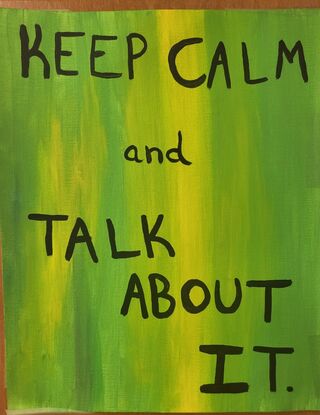
A closely related pattern appears in what does it mean to be a perfectionist, which adds more context to this behavior.
Different Contexts of Validation
The meaning of validation can shift depending on the context. For example, in a heated argument, simply acknowledging your partner’s feelings can diffuse tension and shift the focus from blame to understanding. Alternatively, in moments of sadness or anxiety, validation can serve as a comforting balm, affirming that their feelings are legitimate.
Understanding the context in which validation is needed is crucial. It’s not a one-size-fits-all approach; what works in one situation may not be suitable in another. Being attuned to your partner’s emotional state can guide you in offering the right kind of validation.

A closely related pattern appears in What Does It Mean to Be a Simp? Unpacking This Relationship Signal, which adds more context to this behavior.
What Not to Assume About Validation
It’s easy to assume that validation means agreeing with your partner’s feelings or experiences. However, validation is more about acknowledgment than agreement. You can validate someone’s feelings while still holding a different perspective. This distinction is important because it prevents misunderstandings and promotes healthier discussions.
Additionally, validation doesn’t mean you have to solve their problems. Sometimes, just being there to listen and affirm their feelings can be more beneficial than trying to ‘fix’ the situation.
A closely related pattern appears in What Does It Mean to Have a Kink? Understanding Your Desires, which adds more context to this behavior.
How to Practice Validation Effectively
To validate effectively, start by actively listening. This means giving your full attention and avoiding distractions. Use phrases like, ‘I understand why you feel that way,’ or ‘That sounds really hard for you.’ These simple statements can go a long way in making your partner feel heard.
Moreover, asking open-ended questions can invite your partner to share more about their feelings, reinforcing that you value their emotional experience. Practicing empathy and being patient can also enhance your validation efforts, leading to a more connected relationship.
A closely related pattern appears in what does it mean when I hesitate to express my feelings, which adds more context to this behavior.
Frequently asked questions
How can I tell if I’m validating my partner’s feelings correctly?
If your partner expresses gratitude or relief after you acknowledge their feelings, you’re likely on the right track. Pay attention to their body language and emotional responses as these can provide clues about the effectiveness of your validation.
What should I do if my partner feels invalidated?
If your partner expresses that they feel invalidated, take a moment to listen and ask them how you can better support them. Acknowledge their feelings and let them know that you want to understand their perspective.
Learn more: About Us | Editorial Policy | Content Quality Standards | Disclaimer