
If you’ve ever felt trapped in a cycle of hurt after leaving an emotionally abusive relationship, you’re not alone. Moving on from emotional abuse can feel daunting, especially when the scars linger long after the relationship ends. You might find yourself questioning your worth, replaying painful memories, or feeling a sense of shame that seems impossible to shake. This article explores how to move on from emotional abuse, helping you reclaim your life and sense of self.
Understanding Emotional Abuse and Its Impact
Emotional abuse can be insidious, often leaving invisible scars that affect your self-esteem and mental health. Unlike physical abuse, emotional abuse can manifest through manipulation, gaslighting, and constant criticism, making it difficult to recognize while you’re in the relationship. The aftermath can leave you feeling confused, isolated, and questioning your reality. Understanding the nature of emotional abuse is the first step toward healing and moving on.
Recognizing the signs of emotional abuse is crucial. It may include feeling belittled, controlled, or constantly anxious about your partner’s reactions. These experiences can create a toxic environment that makes it hard to see your own worth. Acknowledging this reality can empower you to take the necessary steps toward healing.

A closely related pattern appears in signs of emotional abuse in friendships, which adds more context to this behavior.
Why Moving On Can Feel So Challenging
Moving on from emotional abuse is often complicated by feelings of shame and guilt. You might find yourself replaying moments from the relationship, questioning why you stayed, or feeling responsible for the emotional turmoil. This internal dialogue can keep you stuck in a cycle of self-blame, making it hard to envision a future free from the shadows of your past.
Additionally, the emotional patterns formed during the abusive relationship can create a sense of attachment that’s hard to break. You might find comfort in the familiar pain, leading to a reluctance to fully let go. Understanding these emotional ties can help you recognize that they are not a reflection of your worth, but rather a byproduct of the toxic dynamics you endured.
Different Paths to Healing: Finding What Works for You
Healing from emotional abuse is a deeply personal journey, and what works for one person may not work for another. Some may find solace in therapy, where a trained professional can help you unravel the layers of trauma and guide you toward self-compassion. Others might benefit from support groups, where sharing experiences with those who understand can foster a sense of community and validation.
Self-care is another essential aspect of healing. Engaging in activities that promote your well-being, whether it’s journaling, exercising, or exploring creative outlets, can help you reconnect with yourself and rebuild your self-esteem. Remember, it’s okay to take your time; healing is not a linear process.

What Not to Assume: Challenging Misconceptions
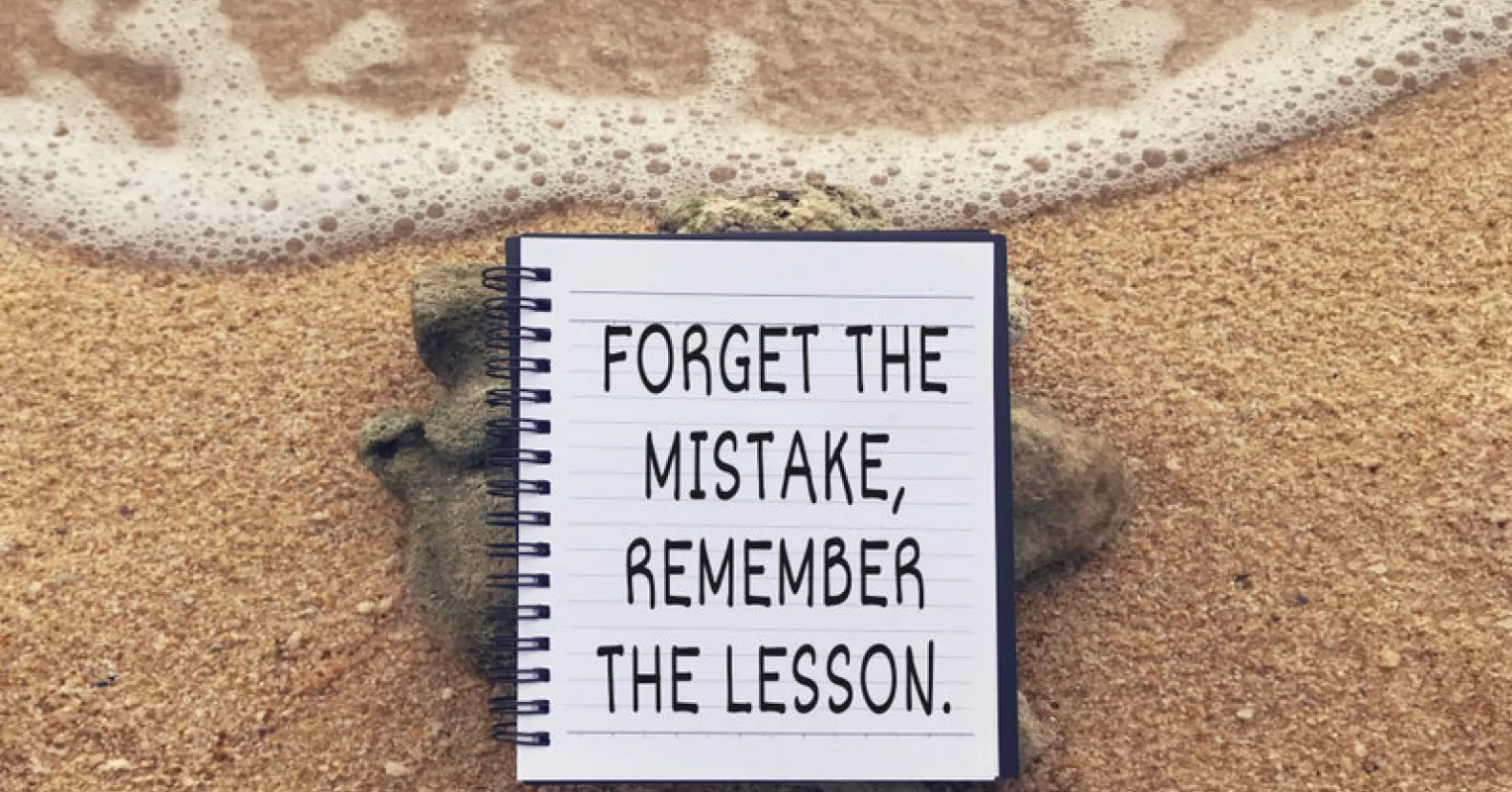
It’s easy to fall into the trap of assuming that moving on means forgetting the past or minimizing the pain you experienced. However, healing isn’t about erasing your memories; it’s about integrating them into your life in a way that allows you to grow. You don’t have to rush the process or feel pressured to appear ‘over it’ to others.
Additionally, avoid the misconception that you must forgive your abuser to move on. Forgiveness is a personal choice and not a prerequisite for healing. Focus on what you need to feel safe and empowered, rather than adhering to societal expectations about forgiveness.
Taking the Next Steps: A Roadmap to Recovery
As you begin to move on from emotional abuse, consider creating a roadmap for your recovery. Identify specific goals you want to achieve, whether it’s improving your self-esteem, establishing boundaries, or learning to trust again. These goals can serve as guiding stars on your journey, helping you to stay focused and motivated.
Seek out resources that resonate with you, whether books, podcasts, or workshops focused on healing from emotional trauma. Surround yourself with supportive individuals who uplift you and encourage your growth. Remember, you are not defined by your past, and each step you take is a testament to your strength and resilience.
Frequently asked questions
How long does it take to move on from emotional abuse?
The timeline for moving on from emotional abuse varies greatly from person to person. Factors such as the duration of the abuse, personal resilience, and support systems play significant roles. It’s essential to allow yourself the time you need to heal without rushing the process.
Is it possible to fully heal from emotional abuse?
While the effects of emotional abuse can linger, many individuals find ways to heal and thrive after their experiences. Healing is a journey that often involves learning to cope with the past while building a fulfilling future.
Learn more:
About Us |
Editorial Policy |
Content Quality Standards |
Disclaimer