
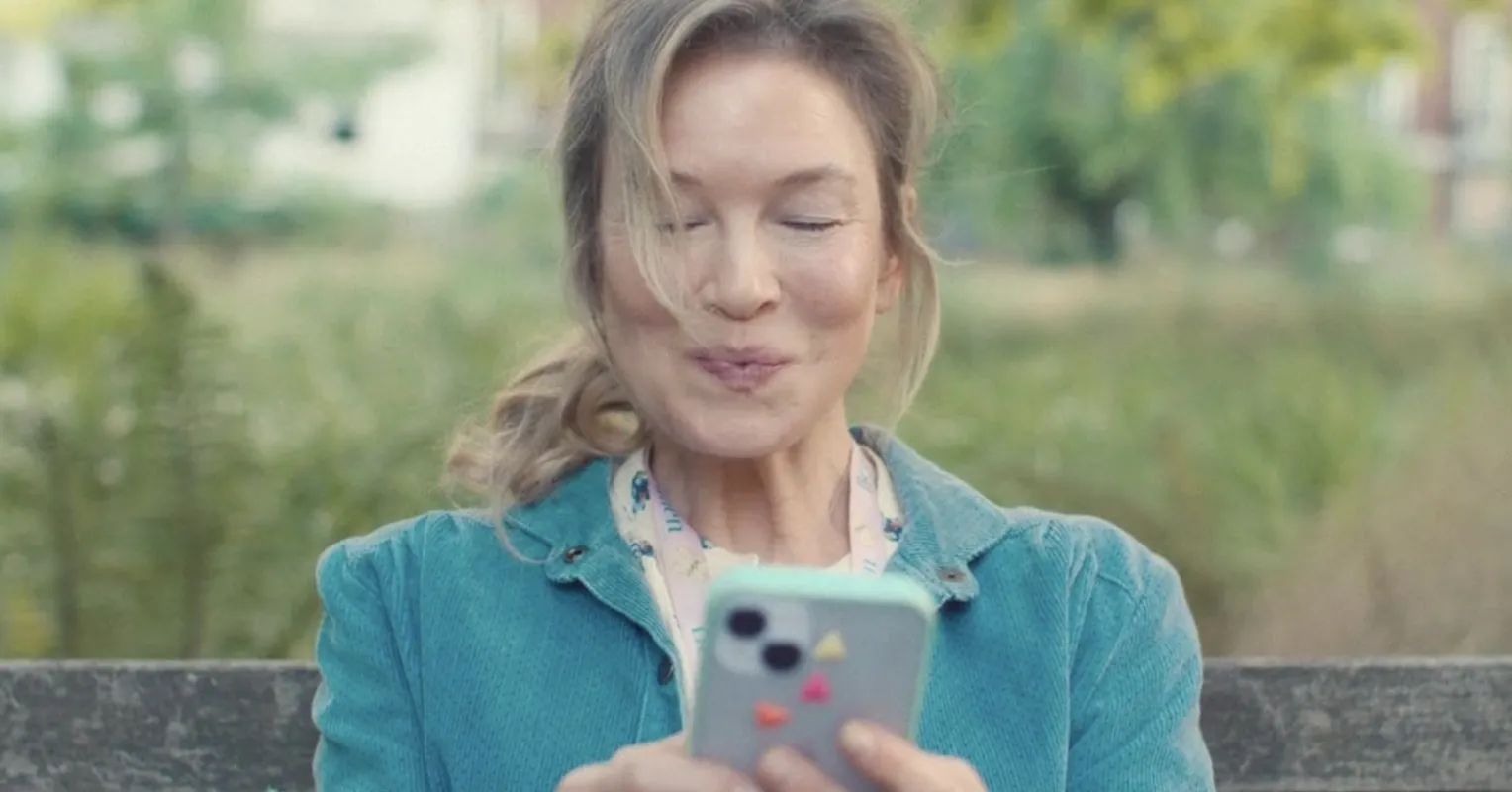
It’s a familiar feeling: you’re dating someone younger, and suddenly, the weight of judgment seems to envelop you. If you’ve ever sensed sideways glances or whispered comments about your relationship, you might be grappling with more than just societal expectations. This deep-rooted discomfort often stems from complex emotional patterns and societal norms, making you wonder what it really means when you feel judged for dating someone younger.
Understanding the Judgment You Feel
At the heart of feeling judged is a blend of societal pressure and internal emotional conflict. This emotional turmoil often arises when you take a step outside traditional norms, such as dating someone younger. You might feel exposed to the scrutiny of others, as if every decision is being watched and evaluated. This can lead to feelings of insecurity, prompting you to question not just your relationship but your own worth and decisions.
This behavior can evoke a visceral reaction—an instinctive, almost primal response to perceived judgment. When your relationship defies age-related expectations, it can feel like you’ve become a topic of conversation in polite company, tugging at your self-esteem and sense of belonging.

A closely related pattern appears in why do I feel judged in my dating life beyond just my appearance, which adds more context to this behavior.
Why People Feel Judgment in Age-Gap Relationships
The prevailing narratives around age differences in relationships can often skew perceptions. Older partners are frequently stereotyped as being predatory, while younger partners may be viewed as naive or reckless. These societal views can perpetuate a sense of wrongdoing, fueling your fear of judgment. But why do these perceptions exist? They intertwine with cultural scripts about aging, desirability, and power dynamics in relationships.
Moreover, individual experiences can shape how you perceive external judgments. Personal past relationships or societal messaging about age-appropriate pairings can intensify this emotionally charged sensitivity. You may even find yourself internalizing these judgments—reflexively questioning the validity of your feelings.

A closely related pattern appears in what to do if I feel judged for dating someone much older, which adds more context to this behavior.
Cultural Context and Its Influence
Cultural views on age gaps in relationships vary widely and can significantly affect feelings of judgment. In some societies, older women dating younger men break a mold of traditional hierarchical structures, leading to joy for some but scorn from others. These polarizing views can make any age difference seem magnified, impacting both partners deeply.
It’s essential to consider that societal norms constantly fluctuate. What may feel disapproved of today could shift in future generations. Recognizing this temporal aspect of judgment can help alleviate some emotional burdens, inviting you to approach your relationship with an openness that resists societal narratives.

A closely related pattern appears in why do I feel judged for my choice to remain celibate, which adds more context to this behavior.
Common Misconceptions to Avoid
It’s easy to fall into traps of assumption when interpreting feelings of judgment. Just because some people may frown upon your relationship doesn’t necessarily mean it’s the wrong choice for you. Judgments often reflect more about the person making them than about your relationship.
One misconception is believing you must conform to societal expectations to validate your relationship. Before internalizing criticism, assess whether it aligns with your true feelings and values. Relationships should be based on mutual respect and understanding rather than external validation, allowing for a more authentic connection.
A closely related pattern appears in why do I feel judged by my partner for my spending habits, which adds more context to this behavior.
Navigating Outside Judgments with Confidence
Empowering yourself and maintaining confidence in your relationship requires self-reflection and communication. Consider discussing these feelings with your partner, creating a safe space to explore each other’s perspectives on societal judgments. Together, you can challenge external expectations and cultivate a narrative that feels authentic.
Remember, relationships thrive on connection and understanding rather than conforming to the narrow definitions society provides. Embracing your choices is an important step toward overcoming the fear of judgment, allowing you both to honor your connection without the weight of external perceptions.
A closely related pattern appears in what does it mean if my partner keeps pointing out my flaws, which adds more context to this behavior.
Frequently asked questions
Is it normal to feel judged for my relationship?
Yes, many people experience feelings of judgment when their relationship diverges from societal norms. It’s a common emotional response shaped by personal experiences and cultural expectations.
How can I deal with external judgments about my younger partner?
Acknowledge the judgments but focus on your relationship’s strengths. Open communication with your partner can help you both navigate this emotional landscape together.
Learn more:
About Us |
Editorial Policy |
Content Quality Standards |
Disclaimer