
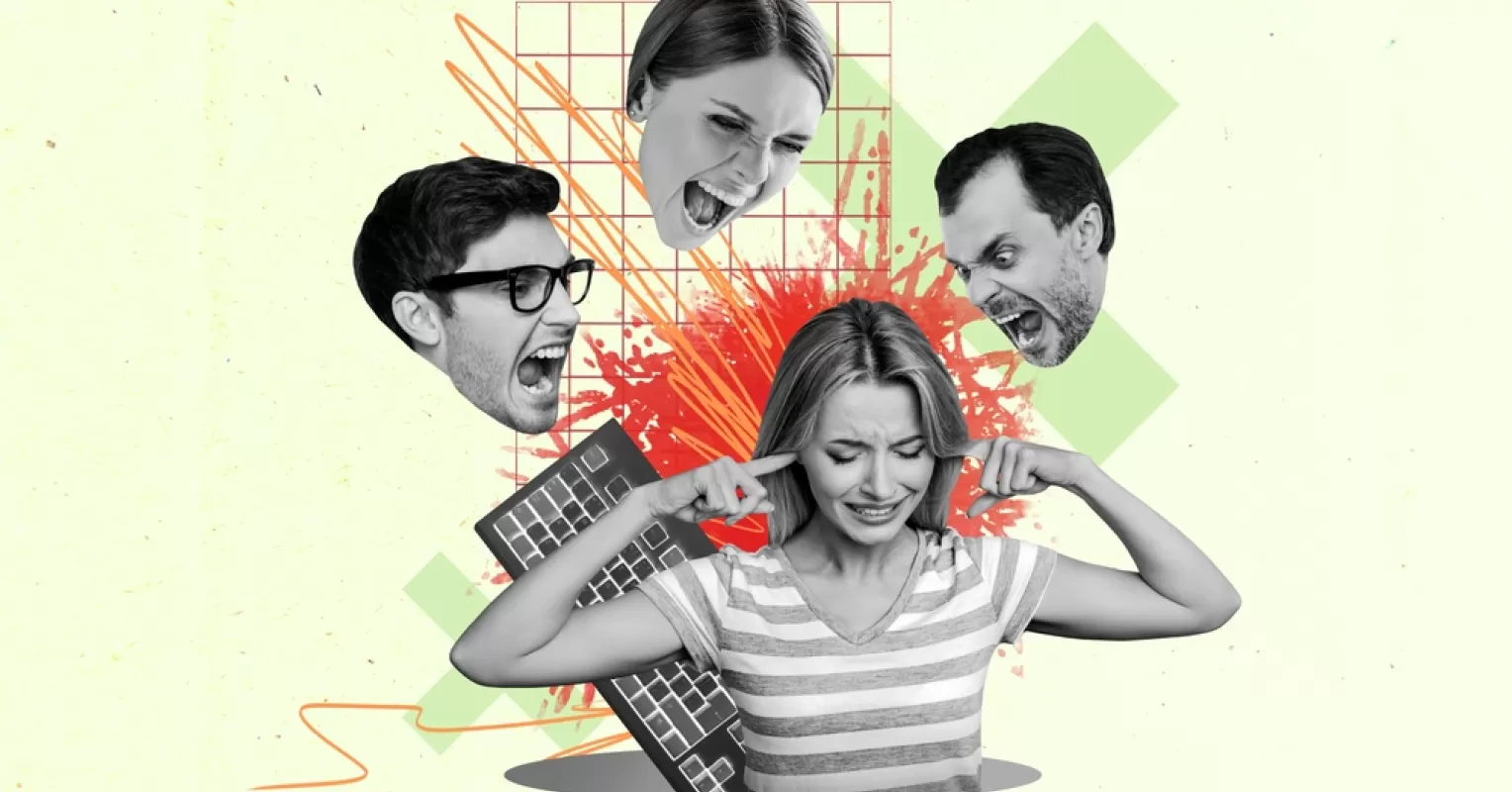
You’re in the middle of a heated argument, emotions are running high, and yet you can’t shake the feeling that your partner simply doesn’t get you. If you’ve ever wondered, “Why do I feel misunderstood during fights with my partner?” you’re not alone. This perplexing sensation often leaves us frustrated, and recognizing its roots can provide clarity.
Understanding the Misunderstanding
Misunderstandings during conflict can feel isolating and deeply frustrating. Often, when emotions escalate, the innate instinct to defend oneself kicks in, leading to a communication breakdown. The urge to be understood may conflict with the need to express anger or disappointment, creating a chaos of emotions.
This misalignment may stem from differing communication styles or emotional triggers. You might be aiming for resolution, while your partner perceives it as criticism. Such gaps can cause feelings of alienation, making you feel even more misunderstood.

A closely related pattern appears in why do I feel misunderstood by my therapist during sessions, which adds more context to this behavior.
Why Does This Happen?
One key reason for feeling misunderstood is the way our brain processes conflict. During arguments, the brain’s salience system automatically heightens reactions, making us prone to misunderstandings. This system prioritizes perceived threats, which means we might misinterpret our partner’s words or body language as hostile.
Additionally, emotional histories can bubble up during conflict. Past experiences shape how we interpret present situations. A seemingly small comment might trigger deep-seated insecurities, leading to heightened sensitivities and misinterpretation.

A closely related pattern appears in why do I keep feeling misunderstood by my partner during conflicts, which adds more context to this behavior.
Context Matters: Different Situations, Different Meanings
The context of an argument greatly influences how we feel understood or misunderstood. For example, discussing a trivial issue like chores might evoke completely different feelings compared to a conversation about finances. Similarly, the emotional state of both partners plays a crucial role—if one is stressed about work, they may react more defensively.
Recognizing these contextual factors can help in navigating conflicts. What feels trivial one day may strike a different emotional chord another day, suggesting that flexibility and awareness are key to smoothing out these bumps.

A closely related pattern appears in why do I feel the urge to rehash old fights with my partner, which adds more context to this behavior.
What Not to Assume Too Quickly
It’s easy to jump to conclusions about your partner’s intentions during a fight. However, making assumptions can intensify misunderstandings. Just because your partner reacts defensively doesn’t mean they don’t care about your feelings. They might be overwhelmed, too, losing sight of the conversation at hand.
Moreover, assuming your partner’s emotional state is the same as yours can lead to miscommunication. Being aware that both of you may interpret the situation differently can open pathways for empathetic understanding.
A closely related pattern appears in why does my partner’s silence feel so heavy during our fights, which adds more context to this behavior.
Next Steps: How to Foster Better Communication
To bridge this gap, consider implementing simple but effective strategies during conflicts. For instance, take a moment to breathe and reset your emotional state before responding. This can help you articulate your feelings more clearly and reduce misunderstandings.
Also, try to actively listen. Repeating back what your partner says or asking clarifying questions can help ensure you’re both on the same page. Remember, improving communication is a continuous process. Taking small steps can gradually lead to a deeper understanding between both partners.
A closely related pattern appears in why do I feel like giving up on my relationship during conflicts, which adds more context to this behavior.
Frequently asked questions
How can I address misunderstandings in my relationship?
Start by recognizing the emotional triggers in discussions and practice active listening. Acknowledge your partner’s feelings and reflect back what you hear to clarify misunderstandings.
Why does my partner react defensively during fights?
Defensive reactions often stem from perceived threats, misunderstandings, or past emotional experiences. It’s important to create a safe space for discussion to minimize defensiveness.
Learn more:
About Us |
Editorial Policy |
Content Quality Standards |
Disclaimer