

Have you ever felt a disconnect when trying to make new friends or form relationships, especially after experiencing trauma? You’re not alone. Many people find themselves battling feelings of anxiety and distrust, making it challenging to open up to others. This struggle can be deeply rooted in past experiences, often leaving us questioning our ability to connect, even when we want to.
Understanding the Struggle: Disconnection and Trauma
The feelings of disconnect after trauma can be distressing and confusing. Often, they manifest as fears of vulnerability or a reluctance to trust others. For someone carrying the weight of past trauma, the instinct is to protect oneself from potential hurt. It makes sense: when past relationships were sources of pain, the mind and body naturally become cautious around new connections. This instinct may lead to avoiding situations where social interaction is required, reinforcing feelings of isolation.
This disconnection isn’t just about feeling shy or introverted. It may stem from emotional patterns shaped by previous experiences, where trust was compromised. So, if you’ve found yourself asking, ‘Why can’t I connect with new people?’ recognize that your past isn’t a reflection of your worth, but rather a complex backdrop influencing your present.

A closely related pattern appears in why do I struggle to connect with my partner emotionally, which adds more context to this behavior.
The Impact of Trauma on Trust and Vulnerability
Trauma can leave lingering effects on how we perceive trust. You might find yourself questioning the motives of others, leading to a defensive stance even in seemingly harmless interactions. This wariness might seem protective, but it can also hinder the very connections you seek. Understanding that trust is a gradual process is key; it may be helpful to remind yourself that building it takes time and reciprocity.
Additionally, the trauma might trigger hyper-vigilance, making it hard to relax in social settings. You might constantly assess the emotional landscape of those around you, leading to anxiety and overwhelm. Recognizing that this heightened awareness is a reaction to past experiences can help you be kinder to yourself as you navigate new relationships.
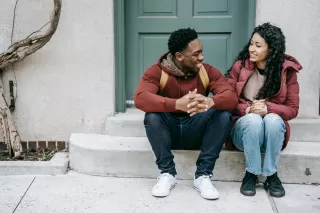
A closely related pattern appears in why do I struggle to connect with others, which adds more context to this behavior.
Different Contexts for Connection: Why Meaning Varies
Every individual’s experience with trauma is unique, affecting their ability to connect in varied ways. For instance, someone who has faced relationship betrayals may struggle more with romantic connections, while another might find it equally hard to build friendships. Reflecting on your own situation allows for a clearer understanding of your feelings and actions in social contexts, which is a critical step toward healing and connection.
Moreover, it’s important to consider the environment you’re entering; sometimes toxic settings can amplify feelings of anxiety, reinforcing beliefs that others cannot be trusted. In contrast, supportive environments may encourage openness, helping you connect more easily. Context matters—a warm, understanding space can nurture budding relationships.

A closely related pattern appears in why do I struggle to connect emotionally with my partner, which adds more context to this behavior.
What Not to Assume: Misreading Signals
It’s easy to fall into the trap of assuming that others also view you through a lens of distrust. You might assume that someone’s lack of immediate warmth reflects their dislike or indifference, when in fact it might just be their own hesitations or traumas. Misreading these social signals can deepen your sense of isolation.
When entering new social situations, try to remind yourself that everyone has their own past and their own barriers. Just as you might be cautious, others may also be navigating their fears. Creating connections involves empathy for yourself and others—acknowledging that everyone is likely dealing with something below the surface.
A closely related pattern appears in why do I struggle to open up emotionally in new relationships, which adds more context to this behavior.
Navigating Forward: Steps to Build Connections
Finding ways to engage with new people in a manageable way can gradually ease your discomfort. Consider starting small: a casual coffee chat, a group outing, or even online communities can offer low-pressure avenues for connection. Being open about your feelings, when the time is right, can help others engage more fully with you.
Additionally, focusing on your interests can draw you towards like-minded individuals. Engaging in hobbies, volunteering, or attending workshops can create natural opportunities for connection, surrounded by shared passions, reducing the unease often felt in new encounters.
A closely related pattern appears in why do I struggle to express emotions in my relationships, which adds more context to this behavior.
Frequently asked questions
How does unresolved trauma affect relationships?
Unresolved trauma often leads to trust issues, hyper-vigilance, and difficulty in expressing emotions, which can hinder the development of healthy relationships.
Does trauma make it hard to connect with others?
Yes, trauma may create barriers to emotional openness and vulnerability, making it challenging to engage with new people.
Learn more:
About Us |
Editorial Policy |
Content Quality Standards |
Disclaimer