
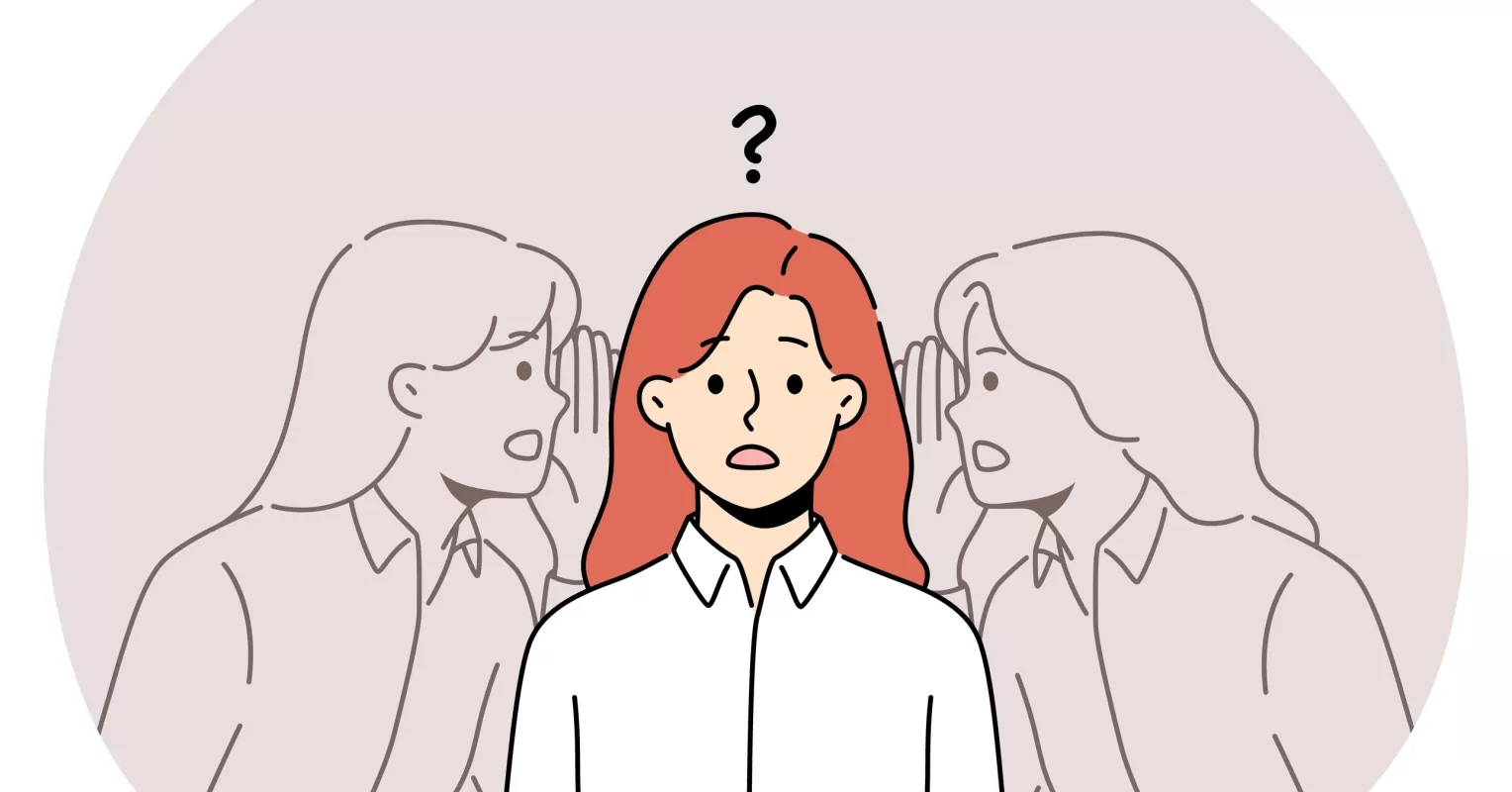
Do you ever wonder if your actions are undermining your relationships? You might find yourself repeatedly pushing away those who care for you, even when everything seems right. The signs you are self-sabotaging your relationships can be subtle, buried deep within your emotional patterns. If this resonates with you, keep reading—understanding these behaviors can transform your connection with others.
Recognizing Self-Sabotage in Relationships
Self-sabotage often manifests as a series of behaviors that seem small but accumulate into larger relational problems. You might notice a tendency to withdraw emotionally when things are going well, or you may find excuses to avoid deepening connections. This could include ghosting someone you like or picking fights over trivial issues. Ignoring these signs might leave you feeling confused about why your relationships constantly seem to falter.
Another telltale sign is a pattern of seeking out partners who are ultimately not suitable. If you often find yourself attracted to emotionally unavailable individuals, it may be a reflection of your own fears around intimacy and vulnerability. The question, then, is: are you choosing to be with people who confirm your fears rather than challenge them?

A closely related pattern appears in why do I feel like I’m sabotaging my relationship when things are going well, which adds more context to this behavior.
Why Do We Self-Sabotage?
Understanding the ‘why’ behind self-sabotaging behavior often requires diving into past experiences. Many individuals harbor unresolved fears stemming from childhood or past relationships. These fears might manifest as beliefs like ‘I’m not worthy of love’ or ‘I’ll end up alone.’ These internal scripts can dictate your actions and decisions in relationships, leading to behaviors that perpetuate the cycle of sabotage.
Additionally, fear of rejection or failure can paralyze even the most well-intentioned individuals. You might find yourself hesitating to fully invest in a relationship, fearing that taking a leap could lead to heartbreak. In many cases, it’s easier to opt out of vulnerability than to risk being hurt.

A closely related pattern appears in signs I might be sabotaging my potential relationships out of distrust, which adds more context to this behavior.
Different Meanings in Different Contexts
Context is crucial in interpreting self-sabotaging behaviors. For instance, withdrawing from a partner after a conflict could be seen as self-preservation or, alternatively, as avoidance of addressing deeper issues. Similarly, feeling anxious about a partner’s affection might stem from personal insecurities rather than flaws in the relationship itself. Both examples showcase how behaviors bearing similar names can have vastly different meanings depending on the setup.
It’s also worth considering how cultural or familial backgrounds can influence these patterns. Individuals raised in environments where emotional expression was discouraged may struggle with intimacy, leading to a tendency to sabotage relationships.

A closely related pattern appears in how can I tell if my fears are sabotaging my relationship, which adds more context to this behavior.
What Not to Assume About Self-Sabotage
Self-sabotaging behavior is not always a conscious choice. It’s easy to label yourself as ‘difficult’ or ‘damaged’, but remember, these actions often stem from habituated responses rather than deliberate intent. It’s essential to avoid making harsh assumptions about your character or values based solely on these patterns.
Moreover, don’t mistake every mistake in a relationship as a sign of self-sabotage. In many cases, conflicts or misunderstandings are part of normal relational dynamics. Understanding the difference can help you approach your relationships with greater compassion and nuance.
A closely related pattern appears in how to stop overthinking in relationships, which adds more context to this behavior.
How to Break the Cycle of Self-Sabotage
The first step to overcoming self-sabotaging behavior is awareness. Start by observing your patterns without judgment; recognize when you might be distancing yourself or behaving in ways that undermine your relationships. Keeping a journal can help you identify these moments and reflect on the associated feelings.
Seeking support—whether through friends, support groups, or a therapist—can provide you with the understanding and guidance needed to rewrite your relational narrative. Consider what limiting beliefs you’re holding onto and consciously challenge them. Rewriting your internal script is not just beneficial; it’s empowering.
A closely related pattern appears in why is self-criticism making my relationship worse, which adds more context to this behavior.
Frequently asked questions
Why did I self-sabotage my relationship?
Self-sabotage can stem from deep-seated beliefs about self-worth, fear of intimacy, or past traumas that make genuine connection feel risky. Reflecting on your past and identifying these influences can help.
How do I know if I’m self-sabotaging my relationship?
Look for patterns of withdrawing, picking fights, or choosing partners who are unavailable. These behaviors often signal deeper fears about love and connection.
Learn more:
About Us |
Editorial Policy |
Content Quality Standards |
Disclaimer