
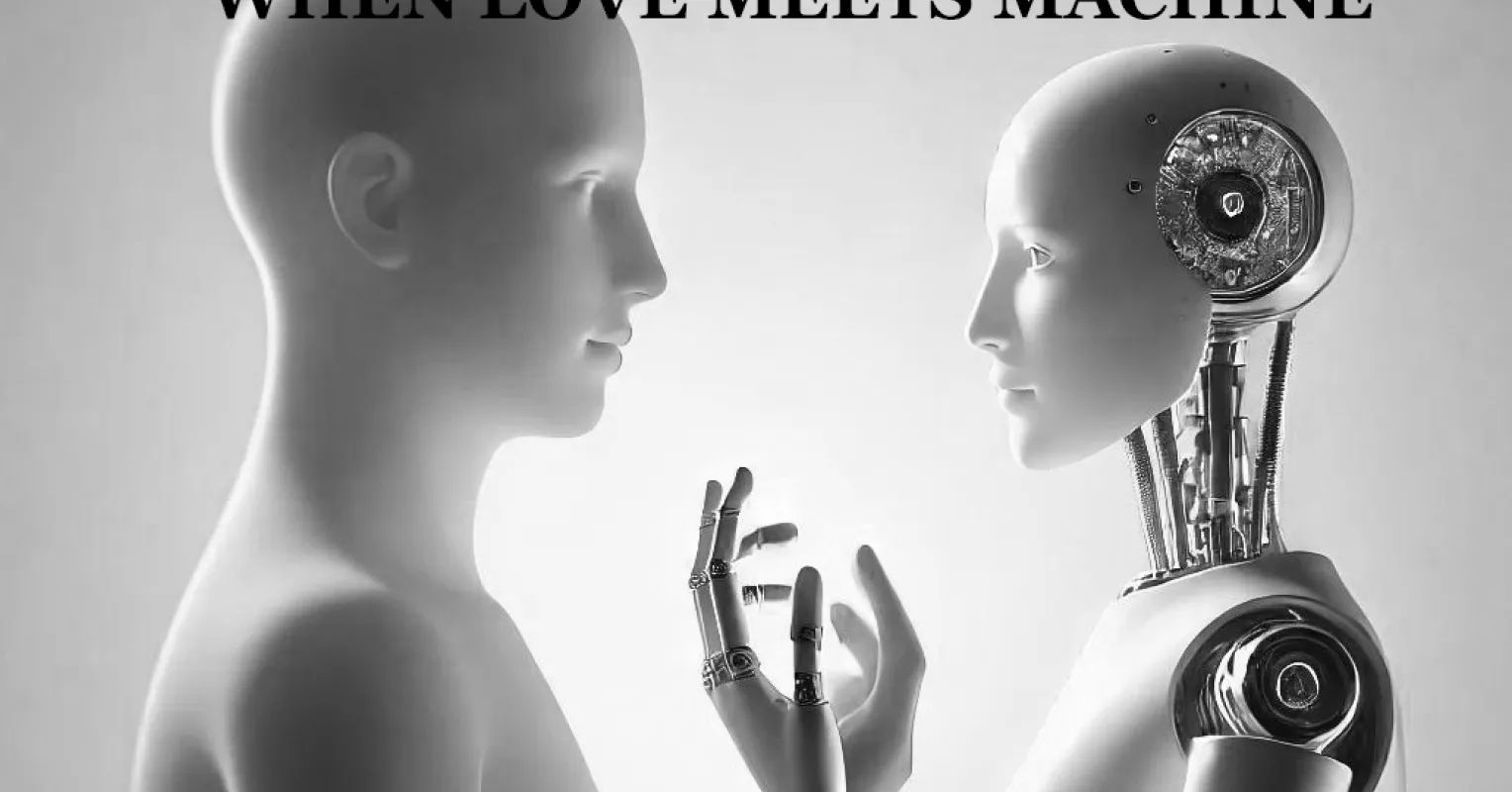
Have you noticed that your partner seems more engaged in conversations with an AI than with you? This might leave you feeling uneasy, questioning your connection. You’re not alone; many people are grappling with this troubling reality in their relationships. Let’s explore what it really means when your partner prefers talking to an AI over you and how it can affect your connection.
Understanding the Behavior
When someone turns to an AI for conversation, it can indicate a range of feelings and preferences. On one hand, AI offers a non-judgmental space, where individuals may feel freer to express themselves without fear of criticism or rejection. This can be particularly appealing if someone’s feeling stressed or overwhelmed in their personal life. However, it also raises questions about emotional fulfillment and genuine connection in human relationships.
Moreover, AI can provide instant responses and customized interactions, making it seem like a more reliable source of companionship. But this preference can signal a deeper issue—perhaps a discomfort in communicating or a perceived lack of understanding in the human relationship. This situation often highlights vulnerabilities that need addressing.

A closely related pattern appears in what does it mean if someone prefers talking to chatbots over friends, which adds more context to this behavior.
Possible Reasons Behind This Choice
One reason your partner may prefer talking to an AI over you could be the search for a more straightforward, anxiety-free conversation. Many people struggle with complex emotions or fear vulnerability, making the simplicity of AI particularly attractive. In many cases, they’re looking to avoid conflict or emotional depth that can come with human interactions.
Another factor could be boredom or dissatisfaction in the relationship itself. If someone feels that their emotional needs aren’t being met, they may unconsciously seek fulfillment elsewhere—an AI can provide a semblance of understanding without the messy complications of emotional intimacy.
A closely related pattern appears in what does it mean if I prefer talking to AI over people, which adds more context to this behavior.
Context Matters: Navigating the Nuances
Understanding the context of your partner’s preference is essential. Are they experiencing significant stress at work? Have there been recent changes in your relationship dynamics? These variables can skew how and where they seek connection. Often, the comfort and predictability of AI can draw people in during turbulent times when they feel overwhelmed or uncertain.
Additionally, consider the role of technology in your daily life. With the rise of AI, people are more accustomed to digital interactions, which may shape their expectations of human relationships as well. This can cause a disconnect as they begin to unconsciously compare human interactions to idealized AI engagements.

A closely related pattern appears in what does it mean if someone prefers digital empathy over real human connection, which adds more context to this behavior.
What Not to Assume Too Quickly
It’s important not to jump to conclusions that might unfairly label your partner’s behavior. Just because they find comfort in AI doesn’t inherently mean they value you less. Rather, it may be a coping mechanism or a phase they’re going through. Misreading this inclination as a direct rejection can lead to further misunderstandings and emotional distance.
Moreover, avoid assuming that your partner is entirely withdrawn from the relationship. Instead, recognize that their reliance on AI could be an opportunity for you both to open up new pathways for communication, moving from fear-based interactions to more authentic discussions.
A closely related pattern appears in what does it mean if I prioritize others’ happiness over my own, which adds more context to this behavior.
Gaining Clarity and Moving Forward
If your partner’s preference for AI feels concerning, approaching the topic with empathy and curiosity might lead to productive conversations. Ask open-ended questions about their feelings and experiences; this invites them to share without feeling defensive. By fostering a non-judgmental environment, you can understand their motivations better and unravel any underlying issues that warrant attention.
Finally, remember to evaluate your own feelings about the situation. Your emotional experience is valid, and addressing it together can help both of you understand the new dynamics at play in your relationship, solidifying your bond rather than letting it fray.
A closely related pattern appears in what does it mean if my partner prefers to spend time alone, which adds more context to this behavior.
Frequently asked questions
Is it normal for my partner to prefer talking to an AI?
Yes, many people find comfort in AI interactions due to their non-judgmental nature. However, it can indicate deeper issues in the relationship that may need to be addressed.
What should I do if I feel replaced by AI?
Rather than feeling replaced, try discussing your feelings with your partner. This opens avenues for understanding and rebuilding emotional connection.
Could my partner’s preference for AI indicate relationship problems?
It may indicate some underlying dissatisfaction or a need for simpler communication. It’s essential to explore this together to clarify any potential issues.
Learn more:
About Us |
Editorial Policy |
Content Quality Standards |
Disclaimer