
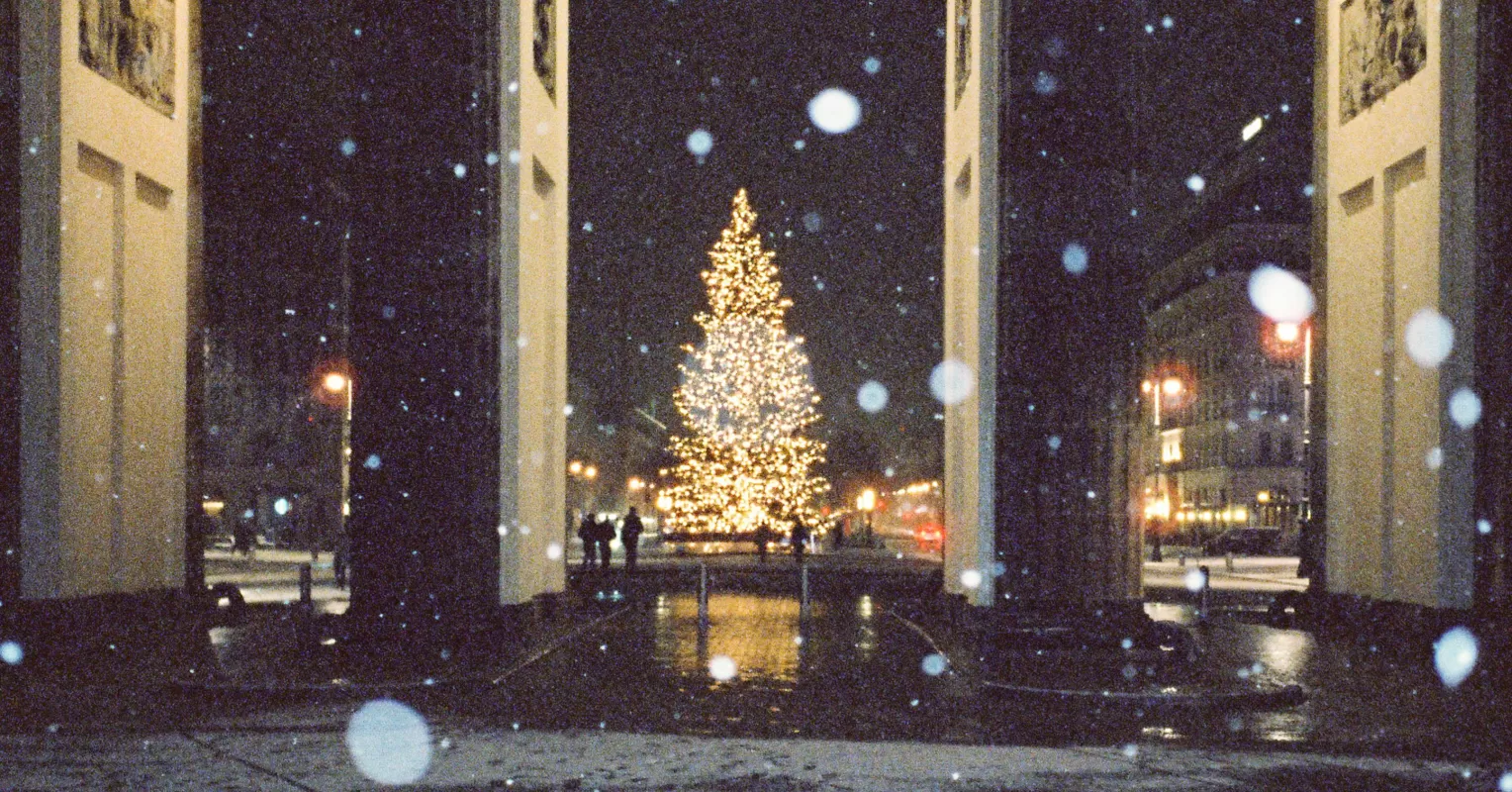
You might be feeling a haunting emptiness as the holidays approach, wondering how to create new traditions after losing someone dear. That familiar time of year can feel strikingly different, blending both nostalgia and sadness. The laughter and connection you once shared feels like a ghost lingering amidst the festivities, leaving you unsure of how to navigate this tumultuous emotional landscape.
Understanding the Need for New Traditions
When you lose someone, especially during the holidays, everything shifts. What once felt like a joyous time might now resonate with grief and longing. Establishing new traditions can feel daunting, as it often seems to overshadow the past rather than honor it. But embracing change can be a way to honor the memory of your loved one while also allowing yourself the space to heal and grow.
Creating new ways to celebrate does not mean forgetting the past; it can serve as a bridge connecting cherished memories with present moments, allowing you to reshape your experiences in a way that honors both grief and joy.

A closely related pattern appears in why do I sabotage my relationships during the holidays, which adds more context to this behavior.
Why New Traditions Matter
One powerful aspect of establishing new traditions lies in their capacity to foster healing. When you’re grappling with the absence of a loved one, introducing new practices provides a fresh perspective and can inject new life into the holidays. It’s, in many cases, about allowing yourself to feel joy again while also acknowledging your loss. Engaging with different activities could be anything from creating a new dish together to participating in community events, helping you redirect focus and energy toward positive experiences.
It’s important to remember that these new traditions don’t have to replace the old ones. Instead, they can exist side-by-side, creating a richer tapestry of remembrance and rebirth.

A closely related pattern appears in what to do if my partner feels distant during holidays, which adds more context to this behavior.
Possible New Traditions to Consider
Think about incorporating simple yet meaningful actions that resonate with the essence of your loved one. For example, a small act, like preparing their favorite dish or toasting to their memory during family meals, can keep their spirit alive in the hearts of everyone who remembers them. Perhaps consider starting a new celebration, like a gathering that centers on sharing memories, allowing everyone to express feelings, both joyful and painful.
Crafting rituals that incorporate light—like lighting a candle each time you gather—can symbolize that their presence is still felt, though not seen. Each of these acts allows you to acknowledge your grief while engaging in the warmth of new connections and shared experiences.

A closely related pattern appears in how can I create emotional intimacy quickly in a new relationship, which adds more context to this behavior.
Navigating Emotional Tension During Holidays
It’s normal to feel conflicted, caught between the desire to honor the past and the instinct to create new memories. Allow yourself to experience this tension; it’s a sign of growth. Acknowledge the sadness and the joy, understanding that both can coexist. When creating new traditions, approach them gently, as they should feel right for you, not forced.
Sometimes these feelings manifest as anxiety or pressure to ‘move on.’ Remember, healing is not linear. Often, it takes time to find the light in the echo of loss.
A closely related pattern appears in what does it mean when my partner feels distant during the holidays, which adds more context to this behavior.
What Not to Assume in This Process
Don’t assume that creating new traditions means completely leaving the past behind. Grief is not a checklist; it’s a journey. You may find that some moments feel profoundly bittersweet, and that’s okay. It’s crucial to allow space for both grief and joy to exist without judgment. Embracing new traditions can sometimes feel like a betrayal of your lost loved one, but it ultimately allows their memory to transform and evolve with you.
Moreover, avoid thinking that everyone will respond to new traditions in the same way. Family members may have differing views about how to honor the deceased, and that’s part of the shared journey of grieving together.
A closely related pattern appears in why does my partner seem more distant during the holidays, which adds more context to this behavior.
Frequently asked questions
How can I celebrate holidays after losing a loved one?
Consider starting new traditions that honor the memory of your loved one, such as a family gathering focused on sharing memories or preparing their favorite meals.
What are effective ways to cope with grief during the holidays?
Incorporating small rituals like lighting a candle or creating a dedicated moment for remembrance can provide comfort and connection during difficult times.
Learn more:
About Us |
Editorial Policy |
Content Quality Standards |
Disclaimer