

Have you noticed a growing distance between you and your partner, leaving you to wonder, ‘What behaviors signal that my partner is emotionally disconnected?’ It’s an unsettling feeling, often magnified by moments that should feel intimate but instead seem hollow. You might be feeling anxious, questioning the state of your relationship, but struggling to articulate why. This article aims to untangle the signs of emotional disconnection and help you understand what might be happening beneath the surface.
Signs of Emotional Disconnection
Emotional disconnection can manifest in various behaviors that might initially seem minor, yet carry significant weight. For instance, if your partner frequently withdraws during conversations, avoids engaging in deep dialogue, or prioritizes screen time over meaningful interaction, these signals can betray an underlying detachment. You might notice them being less responsive to your emotional needs, showing little interest in sharing their own feelings, or spending more time alone than together.
Additionally, a noticeable lack of physical affection or a shift in sexual intimacy can indicate that something is amiss. If your partner was once physically affectionate but now seems distant, it may evoke feelings of rejection or confusion, leaving you pondering their true feelings.

A closely related pattern appears in what should I do if I’m feeling emotionally disconnected from my partner, which adds more context to this behavior.
Why Emotional Disconnection Happens
Understanding why emotional disconnection occurs can offer some clarity. Often, this behavior is not about a lack of love but rather a coping mechanism in response to stress, personal struggles, or unresolved conflicts. It may stem from fearful attachment styles or difficulties in emotional regulation, leading partners to retreat into themselves rather than open up.
Furthermore, life transitions—such as job changes, parenthood, or health issues—can pull focus away from emotional connection, making it challenging to prioritize the relationship. Yet, this doesn’t diminish the significance of the feelings on both sides; it simply adds complexity to the relationship dynamics.

A closely related pattern appears in why do we start feeling emotionally disconnected from each other, which adds more context to this behavior.
Different Meanings in Context
The meaning of emotional detachment can vary significantly depending on context. In some partnerships, one person may naturally be more introspective or quiet, and their silence doesn’t necessarily equate to disconnection. For others, erratic behavior might be a sign of stress or anxiety affecting their ability to engage. Recognizing these nuances is crucial; it helps avoid harsh assumptions and instead fosters empathy.
One possibility is that your partner is going through a phase where they need space to confront personal issues. This self-reflection period can sometimes be mistakenly interpreted as emotional unavailability, when in fact, they’re grappling with their own internal challenges.
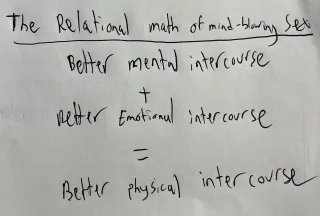
A closely related pattern appears in why do I feel emotionally disconnected while shopping for gifts, which adds more context to this behavior.
What Not to Assume Too Quickly
It’s important to avoid jumping to conclusions about your partner’s feelings or intentions without open communication. If you sense disconnection, it does not automatically mean your partner is losing interest or love for you. Emotional disconnection can result from multiple circumstances often unrelated to the core of the relationship.
Additionally, pushing them to open up before they’re ready may lead to further withdrawal. Instead, providing a safe and understanding environment can facilitate honest discussions about each other’s emotional landscape.
A closely related pattern appears in why do I feel emotionally disconnected even when my partner is trying, which adds more context to this behavior.
How to Navigate Emotional Disconnection
To address emotional disconnection, initiating a gentle conversation can be a constructive first step. Approach this dialogue with curiosity rather than accusations—this invites your partner to share without feeling defensive. You might say something like, ‘I’ve been feeling a bit distant lately and would love to hear what you think.’
Moreover, consider engaging in activities that strengthen emotional bonds, such as shared hobbies or regular check-ins, to help rekindle connection. Each relationship is unique, and finding what works best for you as a couple can reclaim intimacy.
A closely related pattern appears in why do I feel like I can’t connect with my partner emotionally, which adds more context to this behavior.
Frequently asked questions
How can I tell if I’m emotionally disconnected from my partner?
Look for signs such as avoiding deep conversations, withdrawing from physical affection, or feeling less invested in shared activities. Self-reflection can also help you assess your emotional engagement.
What causes a person to be emotionally distant?
Emotional distance may arise from stress, past trauma, personal issues, or fear of vulnerability. Often, it’s not a reflection of their feelings toward you but rather their difficulty in processing emotions.
Learn more:
About Us |
Editorial Policy |
Content Quality Standards |
Disclaimer