
If you’ve ever felt a tightening in your chest or an overwhelming urge to impress your partner in social situations, you’re not alone. Many people grapple with the feeling of needing to perform or presentation anxiety, especially when their relationship dynamics are involved. This pressure can be both confusing and exhausting—why does it feel like such a big deal when you’re just trying to be yourself?
Understanding the Pressure to Perform
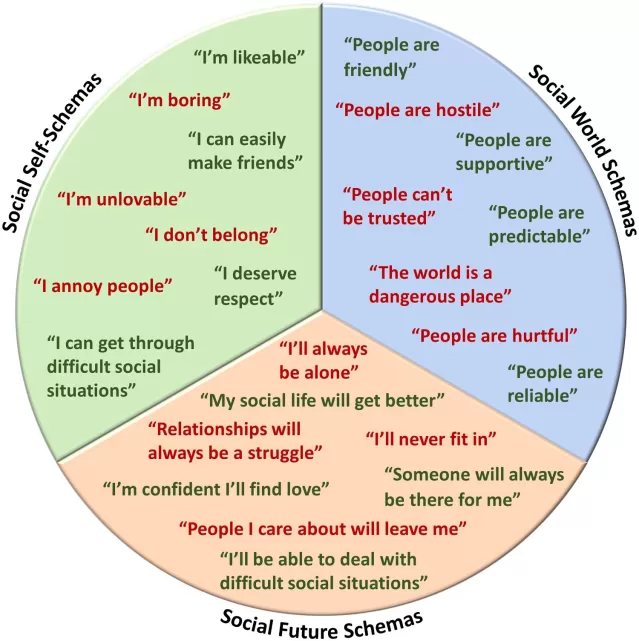
The feeling of being pressured to act a certain way in social settings with your partner often stems from a deep-seated fear of judgment and the innate desire for connection. In many cases, we seek approval from both our partners and others in social contexts, leading to an internal struggle that can feel paralyzing. This unrealistic expectation to perform can overshadow our true self, making it harder to just enjoy the moment.
It’s important to recognize that this pressure may arise from various sources: societal standards, personal insecurities, or past experiences where we felt vulnerable or judged. Understandably, when we perceive our partner as judging our social effectiveness, the stakes feel even higher, increasing anxiety and reducing our ability to relax and just be present.

A closely related pattern appears in why do I feel pressure to perform in my relationships, which adds more context to this behavior.
Why This Pressure May Occur
The roots of performance pressure in relationships can be complex. Evolutionarily, humans have developed an acute awareness of social dynamics as a survival mechanism. Cultures often emphasize the importance of social acceptance, which can amplify the fear of criticism. In many cases, individuals may carry insecurities from childhood or previous relationships, where they felt inadequate or rejected in social settings.
Moreover, societal pressures can foster a culture of comparison, where we subconsciously measure our worth against others, especially in the presence of a partner. This can lead to a mindset where we feel we must constantly ‘perform’ to be worthy, thus heightening the pressure in specific social situations.
A closely related pattern appears in why do I feel pressured to be perfect in my relationship, which adds more context to this behavior.
Different Contexts and Their Meanings
Your experience of feeling pressured to perform may vary depending on the type of social setting and your relationship dynamics. For instance, gatherings involving family or friends may provoke higher anxiety compared to intimate outings. Similarly, public appearances can feel more daunting if you perceive your partner as actively evaluating your social skills.
It’s also crucial to note that how this pressure is expressed may change based on the level of comfort and familiarity you have with your partner and the group present. Understanding these nuances can help clarify why you react differently in various social contexts and provide insights into how to navigate them more effectively.

A closely related pattern appears in why do I feel pressured to compromise in my relationships, which adds more context to this behavior.
What Not to Assume
One common misconception is that each social setting requires you to put on a façade to impress your partner or others. This assumption can cause heightened anxiety and dissatisfaction. It’s essential to realize that both you and your partner likely value authenticity over performative behavior, even if there is a momentary slip into anxiety-driven performance.
Another pitfall is thinking your feelings of pressure are unique. Many people feel vulnerability in social situations, especially with someone they care about. Understanding that this experience is common can reduce the weight of the pressure and foster a sense of camaraderie, making it easier to be more open with your partner about how you feel.
A closely related pattern appears in what does it mean when I feel pressured to be in a relationship, which adds more context to this behavior.
Steps to Understand and Manage Performance Pressure
Recognizing and acknowledging your feelings is the first step toward managing performance pressure. Communicating openly with your partner about your experiences can foster a supportive environment and reduce the urgency to ‘perform’ at every event. Sharing vulnerabilities can be liberating and strengthen your bond.
Additionally, practicing mindfulness techniques, such as deep breathing or grounding exercises, can help you stay present and manage anxiety in social settings. Shifting the focus from your perceived shortcomings to connecting with your partner and enjoying the moment can also alleviate pressure and enhance your relationship.
A closely related pattern appears in why do I feel pressured to stay in a relationship, which adds more context to this behavior.
Frequently asked questions
How can I minimize the pressure I feel during social interactions?
Start with open communication with your partner, letting them know about your feelings. Practicing mindfulness before and during social interactions can help manage anxiety. Focus on enjoying the moment rather than worrying about impressions.
Is it normal to feel pressured in social settings?
Yes, it’s quite common to feel pressured in social situations, especially when significant others are involved. Many people struggle with performance anxiety, influenced by various factors like past experiences and societal expectations.
Learn more:
About Us |
Editorial Policy |
Content Quality Standards |
Disclaimer