

Have you ever received an apology that felt hollow, leaving you questioning whether the person truly meant it? If you’re wondering what a sincere apology looks like, you’re not alone. Many of us have experienced the confusing gap between mere words and genuine remorse in our relationships.
The Anatomy of a Sincere Apology
A sincere apology often involves several key elements that go beyond a simple ‘I’m sorry.’ These elements include admitting fault, expressing genuine regret, and offering to make amends. When you truly understand what a sincere apology entails, it can change how you respond to apologies from others and even how you apologize yourself.
In real-life situations, a heartfelt apology often starts with the person acknowledging their mistake. For instance, if you accidentally broke a friend’s favorite mug, saying, ‘I’m really sorry I broke your mug’ shows awareness of the impact of your action rather than deflecting blame.

A closely related pattern appears in what can forgiveness look like without an apology, which adds more context to this behavior.
Why Apologies Can Fall Flat
You might wonder why some apologies don’t feel convincing, and that often comes down to authenticity. If someone delivers an apology without genuine emotion or effort to understand your feelings, it can feel more like an obligation than a heartfelt acknowledgment.
For example, if a partner says, ‘I’m sorry you feel that way,’ it may come across as dismissive because it shifts the responsibility away from their actions. A sincere apology aims to take responsibility, showing an understanding of how their behavior affected the other person.
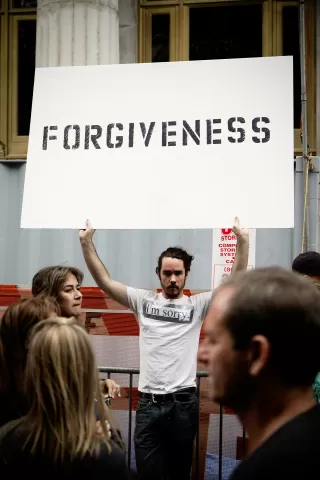
A closely related pattern appears in what to do when an apology doesn’t feel sincere, which adds more context to this behavior.
Context Matters: Cultural and Situational Sensitivity
Another factor that influences how apologies are received is culture. In some cultures, the components of an effective apology may vary significantly. For instance, a community might value humility and directness, while in another, a more indirect approach may be preferred.
Recognizing these nuances can deepen your understanding of apologies. If you’re in a multicultural environment and apologize without considering cultural sensitivities, your words might not resonate as intended.

A closely related pattern appears in what does emotional intimacy without individuality look like, which adds more context to this behavior.
The Follow-Up: Actions Speak Louder than Words
An effective apology should not end with the spoken words. Following up with genuine efforts to rectify the situation reinforces your sincerity. For example, if you apologize for being late to an important dinner, making it up by planning a better evening can demonstrate that you truly regret your actions.
This kind of follow-up action shows commitment to change and helps rebuild trust, making the apology feel more complete.
A closely related pattern appears in How to Make a Heartfelt Apology That Heals Relationships, which adds more context to this behavior.
What Not to Assume About Apologies
It’s easy to jump to conclusions about someone’s sincerity based on their words alone. However, interpreting the intention behind an apology needs more context. Sometimes, a person may genuinely want to apologize but may lack the skills or emotional competence to do it effectively.
Being open to the possibility that a person may not know how to apologize sincerely can change how you perceive the situation, giving you space to consider their perspective.
A closely related pattern appears in what should I do if my partner isn’t evolving like I am, which adds more context to this behavior.
Frequently asked questions
What are the key elements of a sincere apology?
A sincere apology typically includes admitting fault, expressing genuine regret, and offering to make amends. These elements help to convey the sincerity of the apology.
Why do some apologies feel insincere?
Apologies can feel insincere when they lack genuine emotion or do not acknowledge the other person’s feelings. Phrases that deflect blame can also cause an apology to fall flat.
Learn more:
About Us |
Editorial Policy |
Content Quality Standards |
Disclaimer