

Have you ever felt like the scapegoat in your family? You might notice that during conflicts, one person is always blamed—and it’s often you. This pattern can be deeply frustrating and alienating, leaving you wondering why your family continually falls into this dynamic. Let’s unravel this behavior and explore the underlying motives.
Understanding the Scapegoat Dynamic
In many families, there exists a cycle of blame that centers around one individual—the scapegoat. This is the person whom everyone turns to as a lightning rod for conflict and frustration. Often, this individual bears the emotional weight of the family’s tensions, receiving blame that is disproportionate to their actual involvement in the situation. You may have found yourself in this role, feeling like the one who ‘causes’ problems, even when it’s a collective issue.
This dynamic often serves a function for the family. By focusing blame on one person, family members can divert attention from deeper issues and avoid confronting uncomfortable emotions. It’s a way to create temporary unity as they rally against a perceived common enemy.

A closely related pattern appears in why do I feel like giving up on my relationship during conflicts, which adds more context to this behavior.
Why Families Engage in Scapegoating
Scapegoating can often stem from a family’s homeostasis—an unconscious drive to maintain stability, regardless of how dysfunctional that might be. Emotional patterns may lead families to replicate these blame cycles, as they might be accustomed to simply reacting to challenges by targeting one person. This reaction can provide a false sense of order, allowing family members to avoid addressing the underlying issues causing the conflict.
Additionally, personal histories and societal influences can play a significant role in why families fall into this pattern. For example, if family members experienced trauma or learned dysfunctional conflict resolution strategies growing up, they may inadvertently perpetuate these dynamics.
A closely related pattern appears in why do I feel distant during conflicts with my partner, which adds more context to this behavior.
Context Matters: Situational Influences
The context in which conflicts arise can heavily influence who gets blamed. Stressful life situations, financial troubles, or even external societal pressures can exacerbate family tensions. In such scenarios, families may unconsciously target the individual they perceive as the weakest link or someone who can bear the blame without causing more chaos. This isn’t because that person is to blame, but often because they are the most emotionally available in the moment.
Understanding this context can help to reduce the sting of blame. It can lead to a more compassionate view of family dynamics, recognizing that conflicts frequently arise from external pressures, not personal failings.

A closely related pattern appears in why do I struggle to connect with my partner’s family, which adds more context to this behavior.
What Not to Assume About Your Role
Being labeled as the scapegoat can create a multitude of misunderstandings about your own behavior and worth. Just because you are receiving the blame doesn’t mean you are at fault for the family problems. It’s crucial not to internalize this role as a personal identity. Many individuals in families with this dynamic confine themselves to their assigned roles, leading to feelings of inadequacy and resentment.
Acknowledge that the family’s dysfunctional communication styles are often to blame, rather than your personal shortcomings. Challenging this belief can be the first step towards creating healthier dynamics.
A closely related pattern appears in how to deal with manipulative family members, which adds more context to this behavior.
Steps Towards Breaking the Cycle
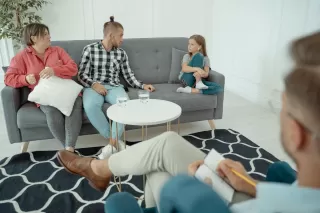
If you find yourself in this situation, understanding these dynamics is a vital first step toward change. It may help to seek out individual or family therapy, where a professional can guide discussions, address underlying issues, and help the family move toward healthier communication patterns. Therapy can provide a safe space for everyone to express their feelings without fear of judgment or reprisal.
Ultimately, breaking free from the scapegoat role involves changing the narrative within the family. You might find it helpful to express your feelings openly, encouraging others to acknowledge their feelings rather than reacting defensively. This can be daunting but it’s a necessary step towards fostering healthier relationships.
A closely related pattern appears in how to move on from blame after a breakup, which adds more context to this behavior.
Frequently asked questions
What is scapegoating in family dynamics?
Scapegoating occurs when one family member is unfairly blamed for problems or conflicts. This tactic can allow other family members to avoid addressing their own roles in the issues and helps to maintain an illusion of harmony.
How can I deal with being blamed in my family?
To deal with being blamed, recognize that this is often a projection of family dysfunction rather than a reflection of your worth. Consider seeking therapy to explore these dynamics and learn how to navigate them healthily.
Learn more:
About Us |
Editorial Policy |
Content Quality Standards |
Disclaimer