
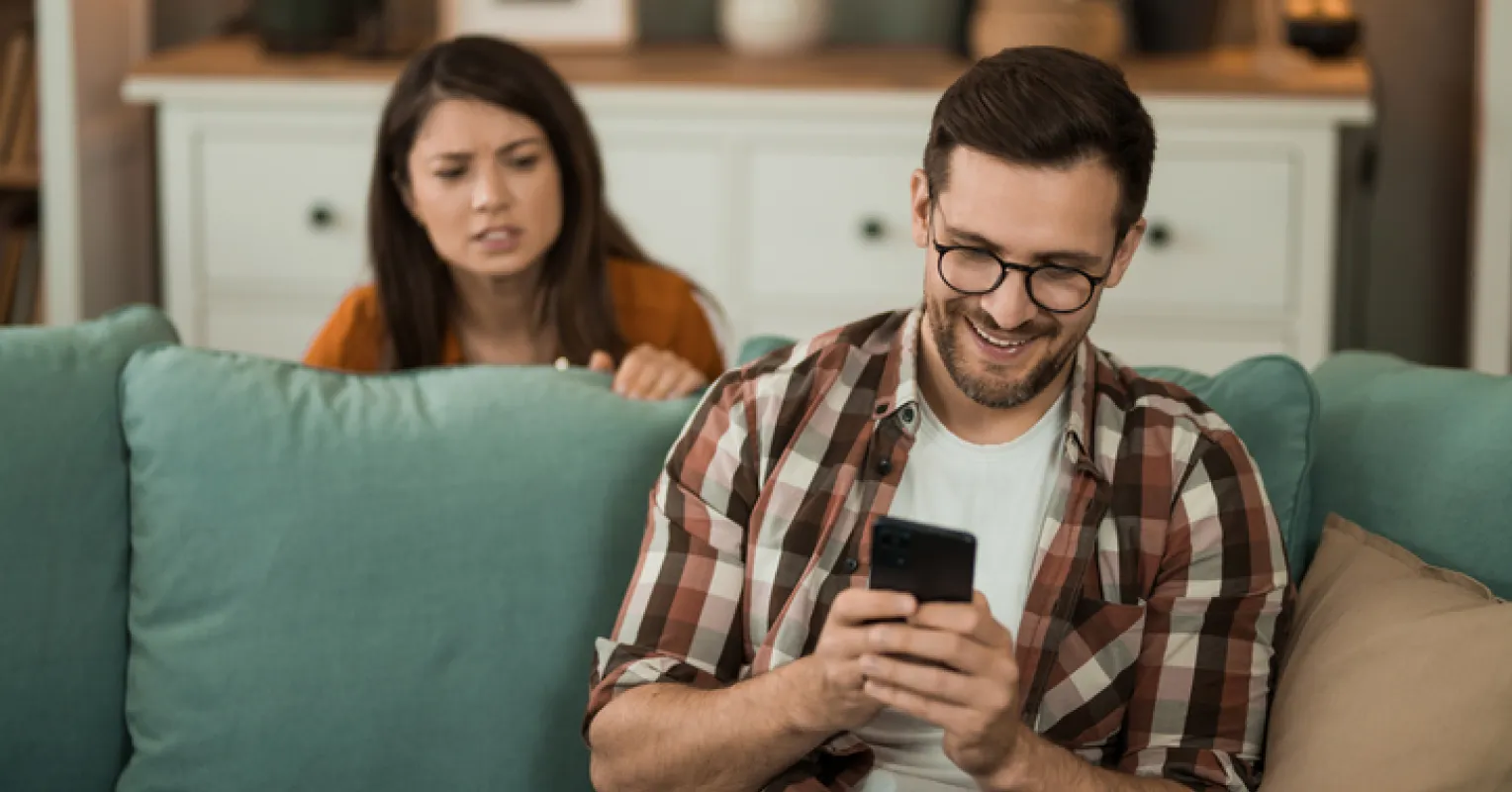
It’s bewildering when someone cheats and appears completely unbothered by the fallout, isn’t it? You might find yourself replaying the betrayal in your mind, questioning how someone could act with such callousness. This emotional disconnect can feel utterly alien, leaving you to wonder: why do some people feel no remorse after cheating?
Understanding the Lack of Remorse
When we hear that someone feels no remorse after cheating, it often feels like a betrayal on a deeper level—both to the partner and to common human empathy. This behavior may stem from a variety of psychological mechanisms, one of which is compartmentalization. This is a psychological defense that separates feelings and thoughts, allowing individuals to dissociate from the consequences of their actions, making the situation feel less real and more fictional.
In many cases, individuals do not see their actions as wrong because they are not fully integrating their moral compass with reality. They can engage in one lifestyle that includes infidelity, while still maintaining another, seemingly moral life at home, creating a dichotomy that keeps them emotionally detached from their choices.

A closely related pattern appears in why do some people feel pressured to enter a loveless marriage, which adds more context to this behavior.
The Role of Compartmentalization
Compartmentalization serves a purpose for those who cheat; it creates mental compartments that shield them from the emotional turmoil of their choices. When someone cheats, they may prioritize their immediate gratification, focusing on the thrill while conveniently ignoring the pain inflicted on their partner. This can lead to a complete lack of guilt or remorse because it’s as if the affair exists in a different universe, disconnected from their everyday life.
This psychological detachment can also stem from childhood experiences, where emotional neglect or radical shifts in stability led to unhealthy coping mechanisms. Thus, someone who has always navigated the world this way might not even recognize the hurt they are causing, having grown accustomed to separating feelings to cope.
A closely related pattern appears in what can I do when my partner’s emotions feel overwhelming, which adds more context to this behavior.
Variations in Emotional Responses
Not everyone responds to cheating in the same way, and this variance often depends on the individual’s emotional landscape and past experiences. For some, the thrill of an affair supersedes any sense of guilt. Others might indeed experience guilt, but due to deeply ingrained defense mechanisms, they act as if the cheating somehow doesn’t count within the realities of their relationship.
Furthermore, societal norms can play a significant role. In some subcultures, infidelity is normalized or even condoned, which can diminish feelings of remorse. Understanding the wider context can help illuminate why some individuals react so indifferently.

A closely related pattern appears in why do I feel my partner is becoming distant after we got close, which adds more context to this behavior.
What Not to Assume
If you find yourself questioning whether a partner feels remorse after cheating, it’s crucial not to jump to oversimplified conclusions. Not all individuals who cheat are devoid of empathy or care; some struggle internally with feelings of guilt but are unable to confront those emotions properly. This can manifest as defensiveness, avoidance, or even anger directed at their partner instead of self-reflection.
Additionally, don’t assume that a lack of visible remorse means the person is inherently bad. Often, they might be battling their own deep-seated emotional struggles or fears that lead them to behave in such destructive ways.
A closely related pattern appears in why do I feel more distant from my partner when they hide things, which adds more context to this behavior.
Understanding and Moving Forward
Navigating the aftermath of infidelity can be a complicated process fraught with pain, confusion, and betrayal. Recognizing the nuances of why some individuals feel no remorse can aid in processing your feelings surrounding the betrayal. It may not offer immediate closure but can provide context and understanding as you choose your next steps.
Consider seeking professional guidance, whether through a therapist specializing in infidelity or a support group, to help unpack these emotional complexities. Healing often requires not just understanding the event itself, but also recognizing how it affects your core beliefs and values moving forward.
A closely related pattern appears in why do I feel distant during conflicts with my partner, which adds more context to this behavior.
Frequently asked questions
Do cheaters ever stop cheating?
It’s possible, though it often requires significant self-reflection, commitment to change, and sometimes professional help. Change can happen when individuals confront their underlying issues and learn healthier coping mechanisms.
Is cheating a personality disorder?
While cheating itself is not classified as a personality disorder, patterns of infidelity may emerge from underlying personality issues or emotional challenges. Understanding these patterns can aid in addressing the behavior.
Learn more:
About Us |
Editorial Policy |
Content Quality Standards |
Disclaimer