
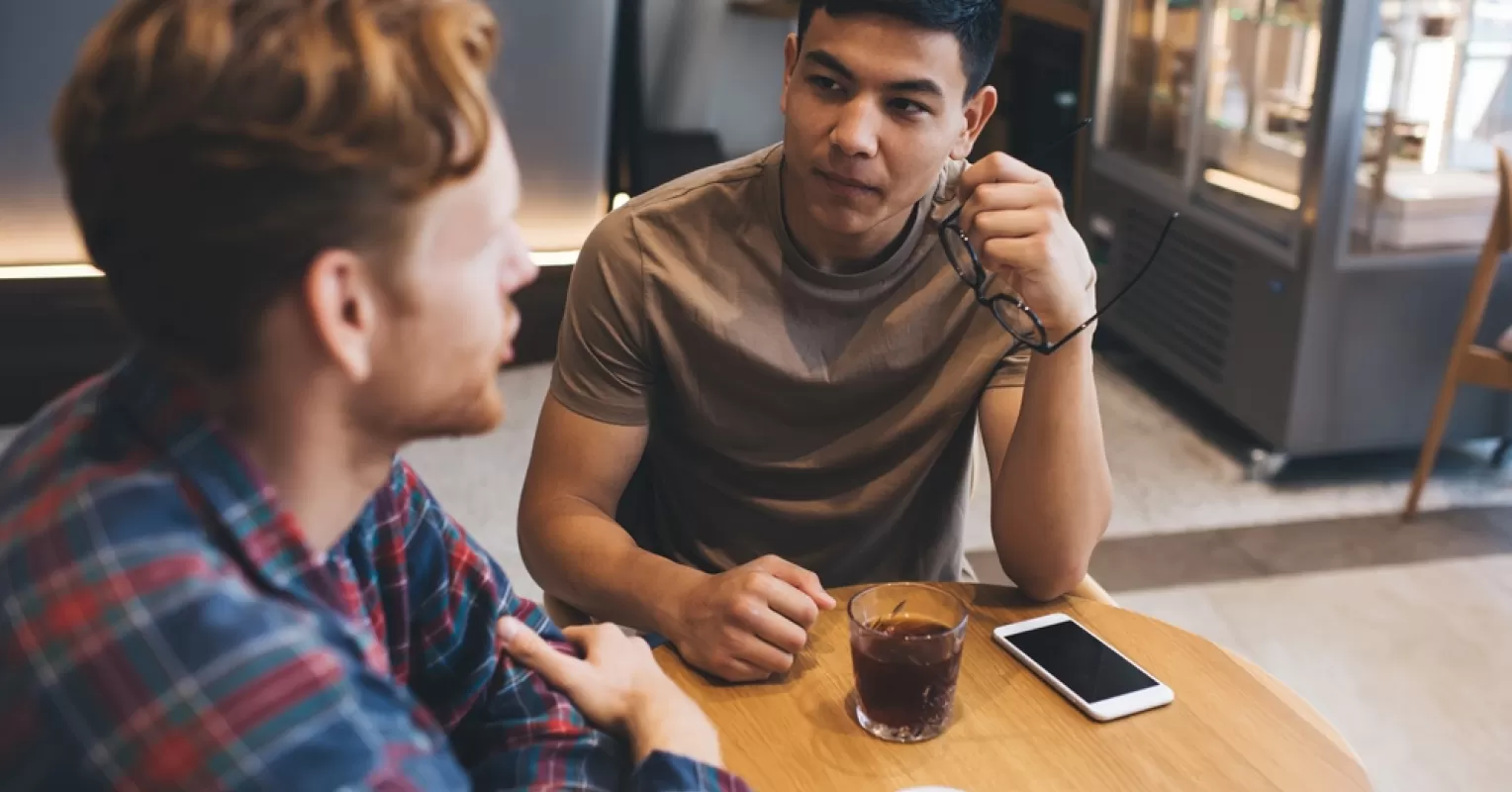
Feeling anxious around certain people can be perplexing, as the sensation often arises unexpectedly and can leave you questioning the source of this unease. If you’ve experienced a tightness in your chest or an underlying sense of dread in social settings with particular individuals, you’re not alone. This article delves into the emotional currents that contribute to these feelings, helping you unpack what might lie beneath this common yet often unspoken experience.
Understanding the Anxiety Signals You Receive
Anxiety around specific individuals often signals an instinctual reaction tied to unspoken cues. You might feel discomfort even when there’s no discernible reason—such as previous arguments or troubling interactions. Your body could be picking up on nonverbal signals like subtle body language or a tense tone, allowing your instincts to alert you to something amiss before your conscious mind processes it. Recognizing this instinctual response is a vital first step in understanding your emotions.
Moreover, you may sense a clash of energies with someone who radiates tension or uncertainty. Their cheerful demeanor might contradict underlying signals that feel alarmingly unpredictable, deepening your unease.
A closely related pattern appears in why do I feel anxious after a breakup, which adds more context to this behavior.
Unpacking the Root Causes of Your Anxiety
One potential source of your anxiety could be past experiences that resonate with your current interactions. If a specific person evokes memories—consciously or unconsciously—of a past scenario where you felt judged or unsafe, your body might react instinctively. These emotional echoes can create an anticipatory caution, triggering your anxiety long before you consciously understand the reason.
Alternatively, you could be intuitively attuned to the anxiety or stress levels of those around you. Human interactions are more than mere words; they involve complex exchanges of energy and emotion. If someone projects uncertainty, you might feel their tension, heightened by your own sensitivity to incongruence in social settings.
A closely related pattern appears in why do I feel anxious when my partner doesn’t reply right away, which adds more context to this behavior.
Contextual Influences on Your Anxious Feelings
The context of your interactions plays a significant role in shaping the meanings behind your anxiety. For instance, you may feel more vulnerable when interacting with someone who holds perceived power over you, such as a boss or mentor. This dynamic can elevate your anxiety, making you acutely aware of your own feelings of inadequacy.
Conversely, when anxiety arises in peer relationships, it may stem from the fear of judgment or comparison. Recognizing these contextual factors can illuminate your emotional landscape and clarify the underlying causes of your anxiety.
A closely related pattern appears in why do I feel anxious when I see my ex online, which adds more context to this behavior.
Avoiding Premature Judgments About Others
It’s essential to refrain from hastily labeling individuals as toxic or harmful based on how they make you feel. Often, your anxiety reflects internal struggles rather than the actual characteristics of the other person. You might misread someone’s behavior as threatening, when in reality, they might not harbor any ill intent at all. Disentangling your emotional reactions from the person’s true nature is critical for a more accurate assessment.
Additionally, first impressions might cloud your initial judgments; someone who seems intimidating may reveal a different, more approachable side as you deepen your familiarity with them.
A closely related pattern appears in why do I feel anxious about sharing responsibilities in my relationship, which adds more context to this behavior.
Building Awareness to Navigate Your Anxiety
Heightening your self-awareness is key to unraveling why specific interactions trigger anxiety. Pay attention to when these feelings surface, and reflect on what aspects of the person or context might be influencing them. Consider asking yourself questions like, “What triggers my discomfort?” or “Does this person share traits with someone from my past?” Engaging in reflective practices, such as journaling or confiding in a trusted friend, can bring clarity to these emotional patterns.
Grounding techniques can be beneficial, helping you anchor yourself in the present moment. Simple breathing exercises can calm your nervous system, making it easier to approach social interactions with less anxiety and more openness.
A closely related pattern appears in why do I feel anxious when my partner texts back slowly, which adds more context to this behavior.
Frequently asked questions
What if I can’t identify why I feel anxious?
It’s common not to pinpoint an exact reason for your anxiety. Your feelings may stem from subtle cues your body senses. Engaging in self-reflection or speaking with a trusted friend can help in illuminating aspects of your feelings.
How can I manage my anxiety in social situations?
Practicing grounding techniques like deep breathing or mindfulness can help reduce anxiety in the moment. Additionally, slowly exposing yourself to social situations can gradually reduce the intensity of your feelings.
Learn more:
About Us |
Editorial Policy |
Content Quality Standards |
Disclaimer