
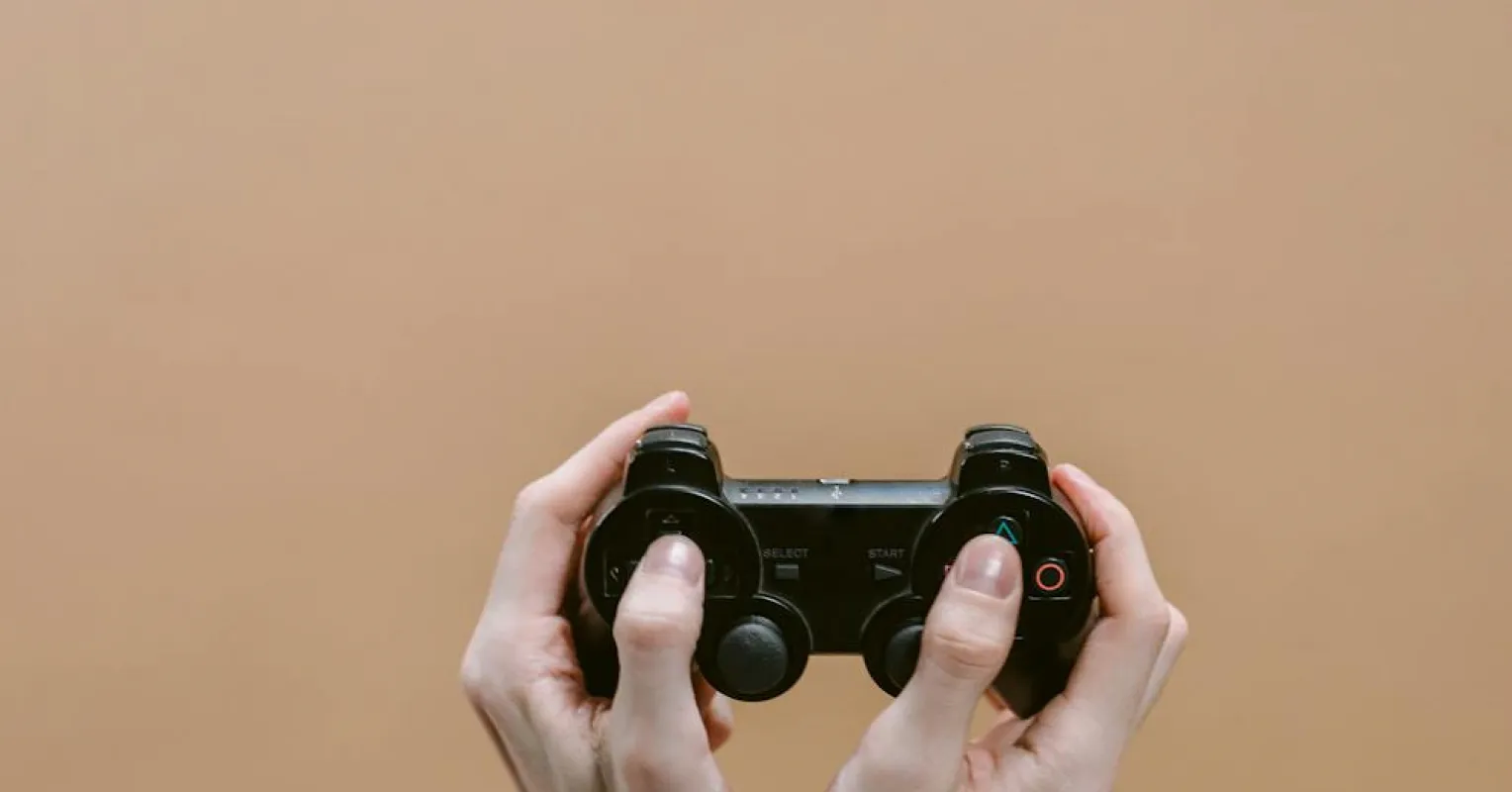
If you’re wondering why you feel neglected when your partner games too much, you’re not alone. Many people experience a deep sense of disconnect, even when their partner is just absorbed in a game. It can stir up feelings of loneliness, resentment, and confusion that can be tough to articulate. Understanding this situation can illuminate a lot about your relationship dynamics.
Understanding the Feeling of Neglect
It’s natural to feel neglected when your partner is spending excessive time on video games. This feeling often stems from a perceived imbalance in attention and emotional investment. When one partner is engrossed in an alternate reality, it may leave the other feeling sidelined and unseen. It raises questions about priorities, connection, and support.
People generally seek connection, and when gaming appears to take precedence, it can feel like a betrayal of that emotional bond. The distractions from the virtual world often overshadow the commitments in the real one, which may deepen feelings of neglect.

A closely related pattern appears in why do I feel neglected when my partner watches porn, which adds more context to this behavior.
Why This Happens: Escapism and Connection
Your partner may be using gaming as a way to escape from daily stresses or emotional challenges. This form of escapism, while not inherently bad, can shift their focus away from nurturing the relationship. In many cases, gamers find solace in virtual achievements that may feel more gratifying than the complexities of everyday life.
Additionally, gaming can trigger a significant emotional response, offering excitement and achievement that daily interactions might lack. This can lead your partner to unintentionally prioritize their gaming over the relational dynamics you both share.
A closely related pattern appears in why do I feel overwhelmed by my partner’s emotions, which adds more context to this behavior.
Different Meanings: Context Matters
The interpretation of neglect can vary based on personal and contextual factors. For some, it may manifest as loneliness; for others, it might trigger deeper insecurities about their value in the relationship. Furthermore, the extent to which gaming might affect relationship health can differ based on the gamer’s personality and their habitual behavior.
Understanding how often and why your partner engages in gaming can clarify if it’s merely a hobby or a problematic habit. Engaging in open dialogues where both partners express their feelings can help re-establish balance.

A closely related pattern appears in why do I feel resentful when compromising with my partner, which adds more context to this behavior.
What Not to Assume Quickly
It’s important not to jump to conclusions about your partner’s intentions or feelings. Just because they’re gaming extensively doesn’t mean they care less about you. Misunderstandings can amplify feelings of neglect, leading to irrational thoughts and accusations.
Always consider the possibility of factors that may not be immediately visible. Maybe your partner is seeking stress relief, or perhaps they are facing deeper issues that gaming helps momentarily alleviate. This insight can foster empathy rather than resentment.
A closely related pattern appears in why do I feel guilty after arguing with my partner, which adds more context to this behavior.
Next Steps: Communicate and Connect
Addressing your feelings head-on can pave the way for healthier dynamics. Sit down and have a candid conversation about how their gaming impacts you. Use ‘I’ statements to communicate your feelings without assigning blame, such as ‘I feel lonely when you game for hours.’
Suggesting a balance is key. Propose designated gaming times and intertwine them with quality time together. This could help both partners feel validated and fulfilled, reducing feelings of neglect and rediscovering connection.
A closely related pattern appears in why do I feel betrayed when someone lies to me, which adds more context to this behavior.
Frequently asked questions
Is it normal to feel neglected by your partner while they game?
Yes, it’s quite common to feel neglected when a partner spends extensive time gaming. Open communication about feelings can help address these concerns.
Can gaming cause relationship problems?
Yes, excessive gaming can lead to relationship problems, especially if it interferes with quality time or emotional connection between partners.
What is the 65% rule in relationships?
The 65% rule refers to the idea that partners should ideally spend at least 65% of their time together to maintain a healthy relationship balance.
Learn more:
About Us |
Editorial Policy |
Content Quality Standards |
Disclaimer