
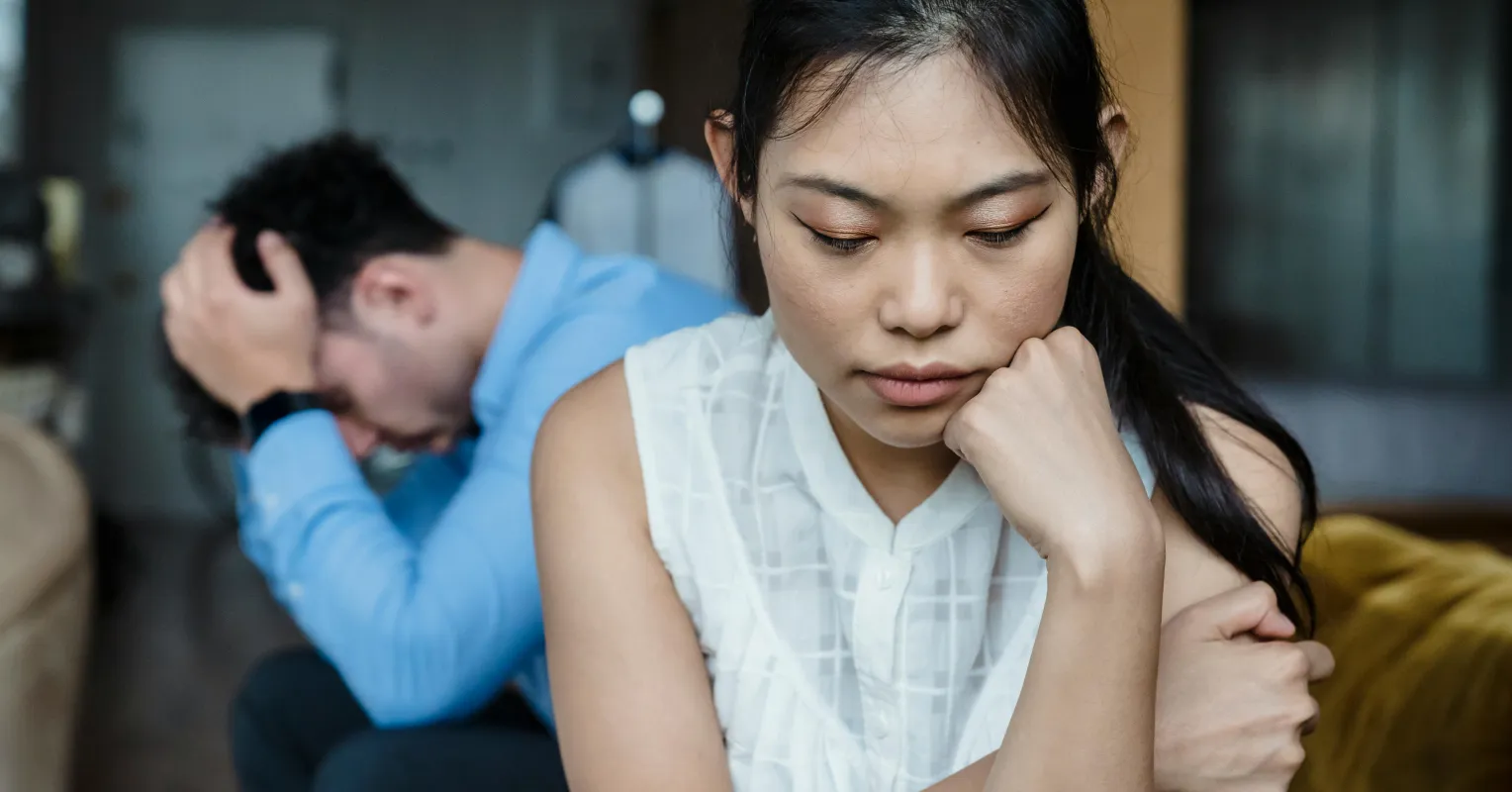
If you’ve noticed your partner pulling away after you’ve made changes in your life, you’re not alone. This situation can feel confusing, leaving you with questions about your relationship’s stability and future. Are your changes causing a rift? Or is something deeper at play?
Understanding the Signal: What It Means
When one partner evolves—whether through personal growth, significant changes in beliefs, or lifestyle adjustments—the other partner may experience a feeling of disconnection. This change often manifests as emotional distance, where conversations seem strained and shared interests wane. Yet, this behavior isn’t always about the partner resisting change; it may represent an underlying disconnect in shared values or aspirations.
This phenomenon can lead to a sense of dissatisfaction and loneliness, making it crucial to understand that the withdrawal may not be a rejection of you personally, but rather a reflection of discomfort or confusion regarding the evolving dynamic.

A closely related pattern appears in why does my partner frequently pull away after moments of closeness, which adds more context to this behavior.
Why It May Happen: The Roots of Identity Dissonance
Identity dissonance occurs when one partner grows and changes, while the other remains more static. This growth can take many forms—new interests, perspectives, or lifestyle choices—but it can leave the unchanged partner feeling like they no longer recognize the person they once knew. The discomfort might arise from fear of losing the familiar or from feelings of inadequacy for not keeping pace with the changes.
In many cases, this dissonance is subtle and creeps in gradually, impacting emotional intimacy and communication. The silence surrounding these changes can amplify feelings of disconnection, creating an atmosphere where both partners feel isolated even when physically together.

A closely related pattern appears in why do I pull away when someone challenges my boundaries, which adds more context to this behavior.
Different Meanings: Context Matters
The response to a partner pulling away can vary widely based on context. For some, it can be a sign of internal conflict, where the evolving partner feels guilt for changing while the other may feel judged or left behind. It’s essential to recognize that these emotional responses are valid, yet miscommunication can exacerbate the situation.
Additionally, social factors—such as friends or family dynamics—can also play a role. If your partner perceives changes as threatening their social status or beliefs, their reaction may be to withdraw rather than confront those feelings.

A closely related pattern appears in why do I feel overwhelmed when my partner pulls away, which adds more context to this behavior.
What Not to Assume: Avoiding Misinterpretations
It’s easy to assume that your partner’s withdrawal signifies a lack of interest in the relationship or a judgment against your growth. However, this assumption can lead to unnecessary conflict. Often, withdrawal may simply signal a need for reflection or time to adapt to the changes you are going through.
Communication is key, and assuming the worst can prevent you from having open and honest dialogues that could bridge the gap between you.
A closely related pattern appears in what does it mean when my partner pulls away after intimacy, which adds more context to this behavior.
How to Navigate the Changes: Steps to Take
The first step toward mending the relationship is acknowledging the changes without blame. Engaging in open conversations can ease tensions; try sharing your thoughts on your growth and inviting your partner to share their feelings too. Phrases like, “I’ve been experiencing some shifts in my perspective, and I’d love to discuss them with you” can open the door to understanding.
Building curiosity rather than judgment around each other’s journeys can re-establish emotional intimacy. Engage in new experiences together that encourage growth as a couple—this could be a workshop, a shared hobby, or even discussions about your individual journeys.
A closely related pattern appears in how to rebuild trust after feeling distant from my partner, which adds more context to this behavior.
Frequently asked questions
How to get your relationship back on track after a rough patch?
Start with open and honest communication. Discuss your feelings and changes without placing blame. Explore activities together to rekindle emotional connections, inviting curiosity and shared experiences.
What is pocketing in a relationship?
Pocketing refers to a partner keeping the other hidden from their social circles or not integrating them into their life, often to avoid conflict or discomfort about changes in the relationship.
What are the 4 signs a relationship is failing?
1) Lack of communication; 2) Decreased intimacy; 3) Constant conflict or resentment; 4) Inability to resolve disagreements or connect emotionally.
Learn more:
About Us |
Editorial Policy |
Content Quality Standards |
Disclaimer