
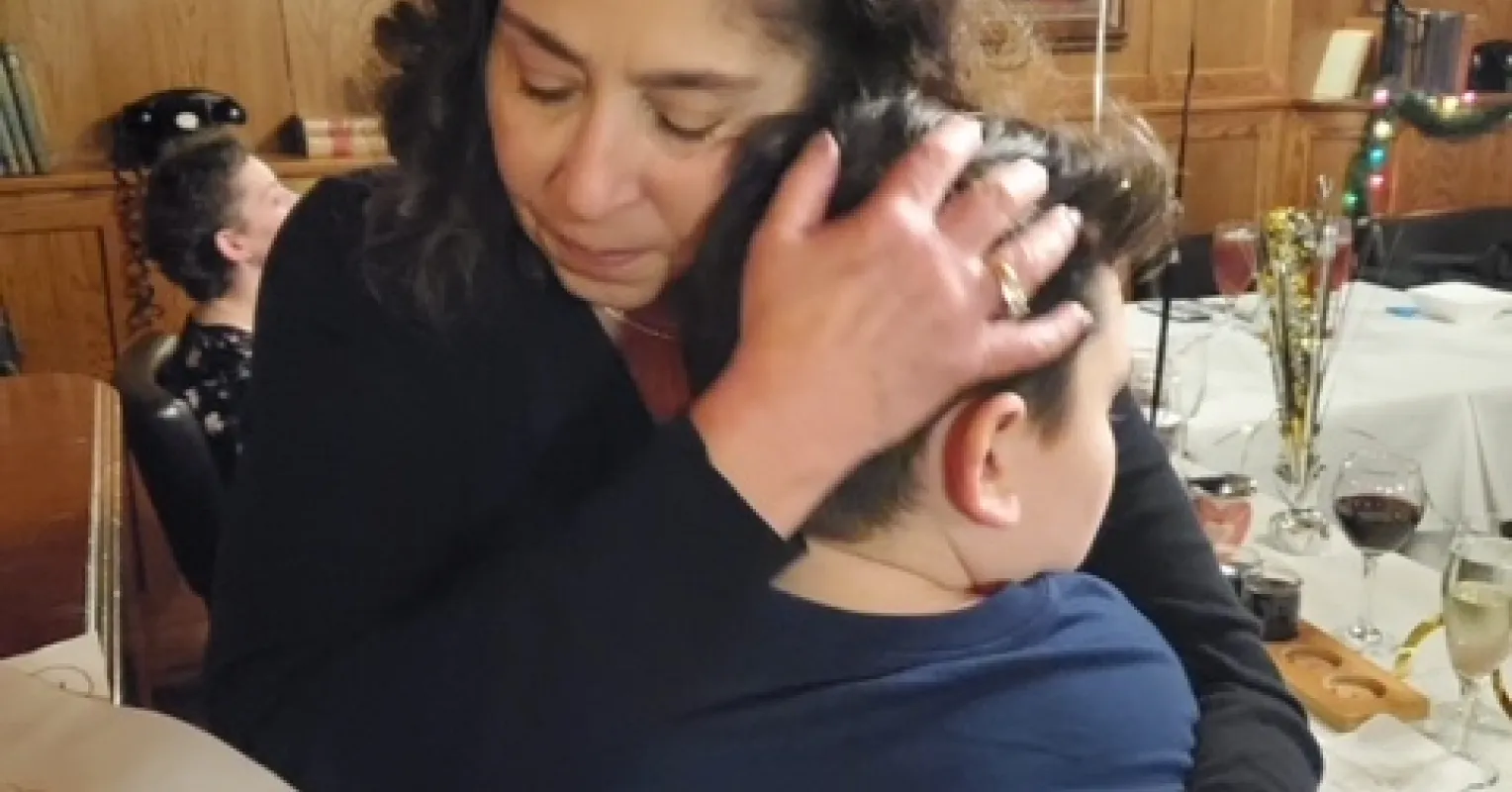
You might have noticed it: when your child is wrapped in the arms of a grandparent, their response can be strikingly different than when they hug you. This observation stirs up a mix of curiosity and concern. Why do children respond to hugs from grandparents differently, even when the affection seems equally genuine? Understanding this unique dynamic unravels layers of emotional and psychological complexity that many might overlook.
The Unique Impact of Grandparent Hugs
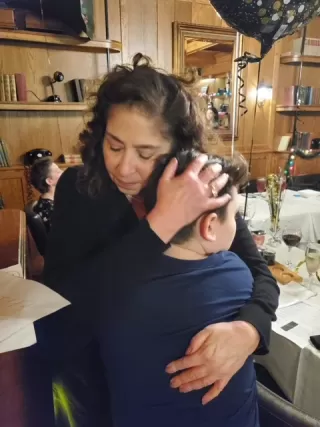
When children embrace their grandparents, a variety of emotional responses can unfold. These hugs often evoke deeper feelings of security and comfort. Research suggests that this specific kind of physical affection can stimulate oxytocin production in both the child and the grandparent, enhancing their emotional connection. The child may feel understood and nurtured, creating a sense of safety that stems from this bond.
Moreover, grandparents often represent a different kind of love—one that is less woven into the daily stresses of parenting. This can make the child feel freer to express their emotions, making their response to such affections incredibly rich.

A closely related pattern appears in why do children act out when they can’t identify their feelings, which adds more context to this behavior.
Why This Difference in Response Occurs
Children’s responses often stem from their emotional attachments and the dynamics of the relationship they share with their grandparents. Grandparents frequently have more time to dedicate to caring and listening, allowing for a different kind of relational warmth. This nurturing can lead children to respond more openly to hugs from grandparents compared to parents, who may be caught up in day-to-day routines and pressures.
Additionally, the concept of ‘depleted grandparent syndrome’—where grandparents feel neglected or taken for granted—can transform into richer interactions when grandparents and grandchildren find shared activities or interests. In moments of genuine engagement, children may naturally gravitate towards their grandparents’ hugs.
A closely related pattern appears in why do adult children feel guilty about distancing from parents, which adds more context to this behavior.
Contextual Factors Influencing Response
The environment also plays a key role when children greet their grandparents with open arms. Family gatherings, holidays, or relaxed weekend visits create atmospheres of love and celebration that heighten children’s emotional responses. Unlike the hustle and bustle that may come with parental interactions, grandparental interactions often occur in spaces filled with warmth and patience.
To complicate matters, the proximity of the child’s emotional state can shift how they perceive these hugs. A child who feels anxious or stressed may cling to grandparental affection as a soothing balm, showcasing a markedly different reaction than they would with their parents.

A closely related pattern appears in what to do if I feel like I’m in a parent-child relationship, which adds more context to this behavior.
What Not to Assume Too Quickly
It can be tempting to view a child’s preference for grandparental hugs as a signal of rejection towards their parents, but that is rarely the case. Instead, consider this: children often have different ways of expressing affection with various family members, which can stem from unique relational histories.
Moreover, avoid the pitfall of assuming that a child will always prefer one type of hug over another. Emotional landscapes are ever-changing for a child, and what comforts them at one moment may not resonate in the next. Circumstances, moods, and even brief conversations can reshape their preferences spontaneously.
A closely related pattern appears in why do my stepchildren seem unhappy about my remarriage, which adds more context to this behavior.
Enhancing Connections with Thoughtful Interactions
Fostering open lines of communication and interactive activities can bridge any perceived gaps in emotional expression. Engaging in shared interests—be it music, storytelling, or simple playful interactions—can help strengthen the emotional fabric of these relationships.
Encouraging grandparents to ask open-ended questions such as ‘What makes you happy today?’ or ‘What song are you loving right now?’ enhances emotional bonding. These moments not only deepen the hugs but also enrich the child’s overall emotional experience, leading to a more robust response when embraced.
A closely related pattern appears in why do I keep repeating relationship patterns from my childhood, which adds more context to this behavior.
Frequently asked questions
What is depleted grandparent syndrome?
Depleted grandparent syndrome refers to feelings of neglect that some grandparents experience, which can impact their interactions with grandchildren. Finding new, shared activities can help to rejuvenate these bonds.
Should grandparents hug their grandchildren?
Absolutely! Hugs from grandparents are often a source of comfort and security for children, fostering emotional connection. Physical affection plays a crucial role in strengthening familial relationships.
Learn more:
About Us |
Editorial Policy |
Content Quality Standards |
Disclaimer