
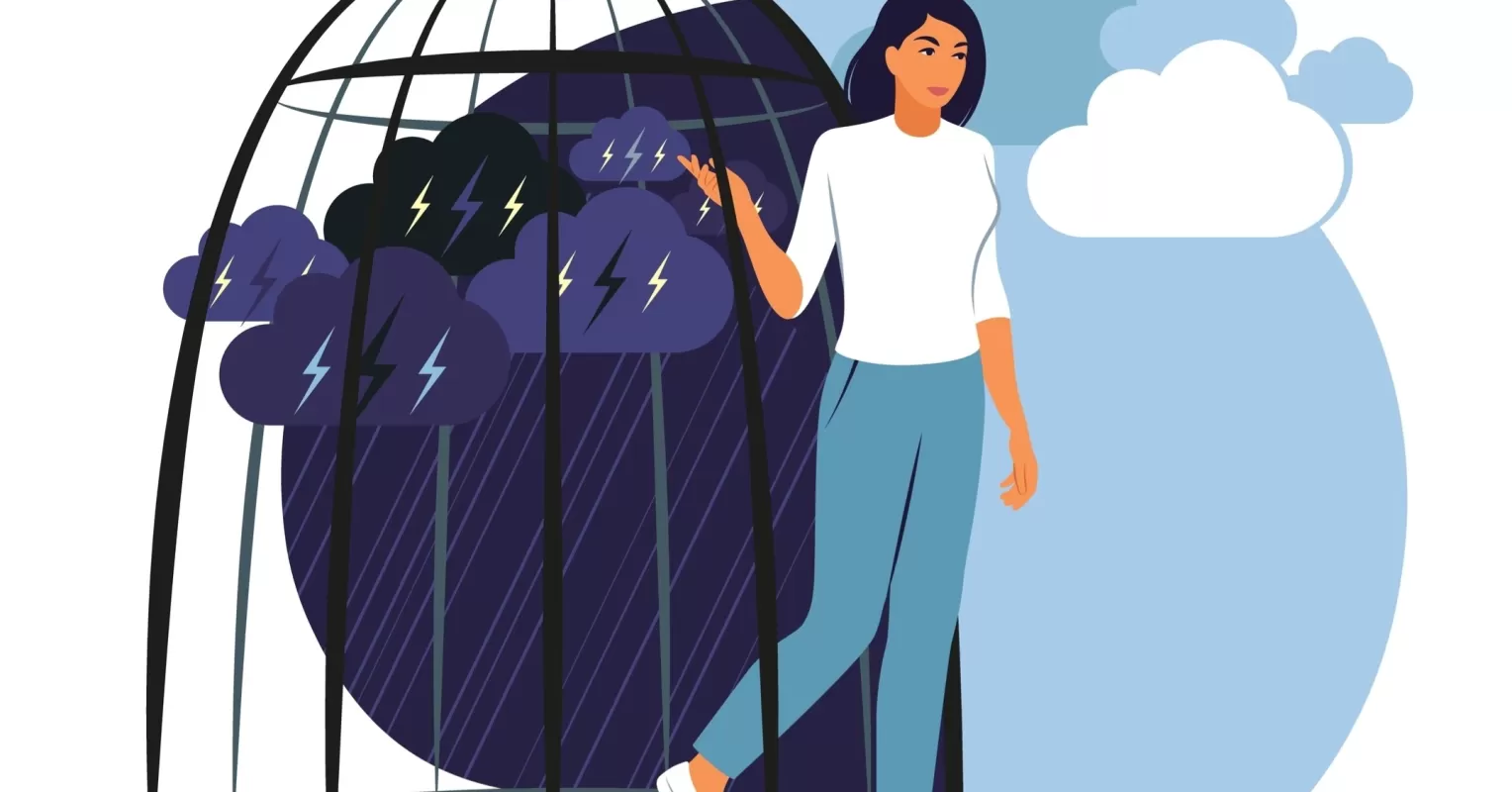
If you’re feeling lost and questioning your worth after an abusive relationship, you’re not alone. Many individuals grapple with regaining self-esteem in the wake of such trauma, and understanding this often overwhelming experience is the first step toward healing. You might find yourself asking, ‘How do I rebuild my sense of self after I’ve been belittled and controlled?’ Let’s dive into what it means, why it happens, and how you can start to reclaim your self-esteem.
Understanding Self-Esteem After Abuse
After an abusive relationship, the effects can permeate deeply into your self-perception. Often, abuse isn’t just physical; it’s emotional, leading to feelings of worthlessness and self-doubt. You might have internalized messages that you are ‘not good enough,’ which can linger long after the relationship ends. This is a common and painful aftermath of many abusive scenarios.
Recognizing that your diminished self-esteem is a reaction to the trauma rather than a reflection of your true worth is essential. Understanding this separation allows for a healing process that focuses on reclaiming your identity.

A closely related pattern appears in how does my self-esteem affect my relationship with my partner, which adds more context to this behavior.
Why Self-Esteem Diminishes in Abusive Relationships
Self-esteem can erode in abusive relationships for numerous reasons: constant criticism, emotional manipulation, and even isolation from supportive networks can all contribute. Over time, you may find yourself questioning your decisions, intelligence, or even your emotions. As the critic becomes your internal voice, it becomes increasingly harder to see your strengths and value.
Many individuals in abusive relationships have experienced coercive control, where one partner monopolizes power over the other. This dynamic can distort your self-image, making it difficult to feel valid or confident in your worth.
A closely related pattern appears in does owning a sex doll impact self-esteem in relationships, which adds more context to this behavior.
Signs You’ve Internalized Self-Doubt
It’s vital to recognize signs that your self-esteem has taken a hit. Some common symptoms include incessantly comparing yourself to others, feeling undeserving of love or happiness, or having persistent doubt about your own abilities. Perhaps you avoid situations that require vulnerability, fearing potential judgment or rejection.
Additionally, if thoughts like ‘I don’t deserve good things’ or ‘I’m always to blame’ echo in your mind, you may be struggling with internalized negativity from your past relationships.

A closely related pattern appears in why do I feel judged in my dating life beyond just my appearance, which adds more context to this behavior.
What You Need to Rebuild Your Self-Esteem
Rebuilding self-esteem is a journey requiring time, compassion, and patience. Start with positive affirmations—remind yourself daily that you deserve respect and kindness, not just from others, but from yourself. For example, simple phrases like ‘I am worthy of love,’ or ‘I am capable and strong,’ can serve as beneficial reminders.
Professional support can also be crucial. Engaging with a therapist can provide a safe space where you can dissect past experiences and tailor a healing strategy that resonates with you. These discussions can help turn the narrative from one of shame to one of resilience.
A closely related pattern appears in why do I feel like my partner judges my interests, which adds more context to this behavior.
Taking Practical Steps Forward
Take active steps towards reclaiming your identity and self-worth. This might mean setting small, achievable goals—like trying a new hobby or reconnecting with friends you might have lost touch with. Building a support network is vital; surround yourself with people who uplift rather than criticize.
You might also find solace in writing or journaling to process your thoughts and emotions. Significant breakthroughs can arise from chronicling your journey, helping to clarify feelings and reinforce the understanding that recovery is a process.
A closely related pattern appears in why do I feel judged for my choice to remain celibate, which adds more context to this behavior.
Frequently asked questions
How to regain your self-esteem after an emotionally abusive relationship?
Focus on healing through positive affirmations, therapy, and supportive relationships. Reconstructing your self-esteem is about recognizing your worth and surrounding yourself with positivity.
How to heal from abusive relationship trauma?
Healing requires patience and self-compassion. Engage in self-care practices and seek professional help to guide you through trauma processes.
What is the battered wife syndrome?
The battered wife syndrome refers to a psychological condition where a woman feels trapped in an abusive relationship, often experiencing feelings of helplessness and low self-esteem.
Learn more:
About Us |
Editorial Policy |
Content Quality Standards |
Disclaimer