

Have you ever caught yourself feeling a disconnect in your relationships, yet you’re not quite sure why? If you’re not aware of your relationship’s blind spots, it can be both confusing and disheartening. These elusive behaviors or patterns shaped by our experiences can quietly undermine our connections with others without us even realizing it. Recognizing these blind spots is vital for nurturing deeper, healthier relationships.
Understanding Relationship Blind Spots
Blind spots in relationships refer to aspects of your behavior or emotional responses that you may not recognize or understand. They can manifest as repeated patterns in conflicts, emotional reactions that seem disproportionate, or even efforts that go unnoticed by you. Essentially, they are the areas where your self-awareness falls short, which can lead to misunderstandings and unmet needs in your interactions.
For instance, you might see yourself as a supportive partner, but your inability to communicate your needs can lead to frustration or feelings of neglect. This lack of awareness prevents you from addressing issues in your relationship before they grow into significant problems.

A closely related pattern appears in what does it mean when my partner is not as interested as before, which adds more context to this behavior.
Why You Might Not Be Aware of These Blind Spots
One reason for this unawareness could be rooted in your upbringing or past experiences, which shape your expectations and reactions. Factors such as attachment styles, previous relationship experiences, or even cultural influences can create filters through which you interpret interactions.
Additionally, many people are overconfident in their self-awareness. Research by Dr. Tasha Eurich indicates that while 95% of people think they’re self-aware, only about 10-15% truly are. This disconnect can lead to significant blind spots that you may not even consider important.
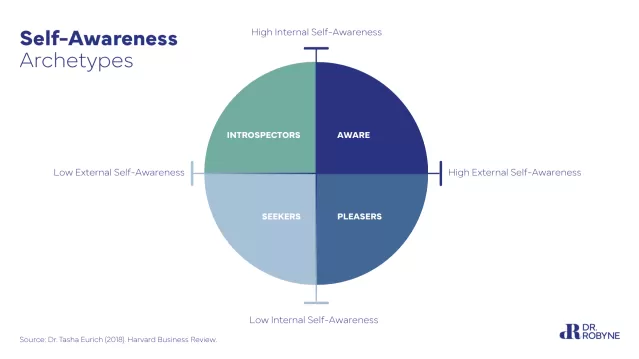
A closely related pattern appears in what does it mean when someone disappears after being honest, which adds more context to this behavior.
Different Meanings of Blind Spots Depending on Context
It’s essential to recognize that the meaning of relationship blind spots can vary depending on your context. For example, a blind spot in a romantic relationship may differ from one in a workplace setting. In a romantic relationship, your blind spots might include how you respond to emotional intimacy or how you handle conflict resolution.
In contrast, in a professional or social context, blind spots might revolve around how you communicate with colleagues or friends, impacting teamwork or personal connections. Understanding these contextual nuances helps you identify the specific areas that need reflection and growth.

A closely related pattern appears in what does it mean when my partner says I am overreacting, which adds more context to this behavior.
What Not to Assume About Your Blind Spots
It’s easy to fall into traps of self-judgment when realizing you have blind spots. However, it’s crucial not to assume that everyone else sees them, too, or that they judge you for them. Blind spots are a universal human experience. Instead of focusing on guilt or shame, try viewing them as opportunities for growth.
Moreover, keep in mind that your interpretation of behaviors might be skewed by external influences. Factors like stress, past traumas, or interpersonal dynamics can play a role in how you perceive various situations, blurring your understanding of what your blind spots truly are.
A closely related pattern appears in what does it mean if I often doubt my feelings in a relationship, which adds more context to this behavior.
How to Start Recognizing and Addressing Blind Spots
Begin the journey towards awareness by creating open lines of communication with trusted friends or partners. Ask for constructive feedback about how your behaviors may be perceived. It may feel uncomfortable at first, but having a supportive inner circle can provide valuable perspectives that you might not see yourself.
Engaging in self-reflection practices like journaling or therapy can also aid in uncovering these blind spots. By regularly reflecting on your emotions and reactions, you can develop better awareness and understanding of how your actions impact your relationships.
A closely related pattern appears in what does it mean when your partner avoids emotional discussions, which adds more context to this behavior.
Frequently asked questions
What are the 4 signs a relationship is failing?
Signs of a failing relationship may include persistent issues, lack of communication, emotional detachment, and avoidance of conflict. Recognizing these patterns early can help address underlying problems.
Why is someone not usually aware of their blind spot?
Many factors contribute to unawareness of blind spots, including overconfidence in self-perception, past experiences, and the natural difficulty of recognizing one’s own biases or behaviors.
What are blind spots in relationships?
Blind spots in relationships refer to behaviors or emotional patterns that one may not recognize, leading to misunderstandings and issues. Identifying these can significantly improve relationship dynamics.
Learn more:
About Us |
Editorial Policy |
Content Quality Standards |
Disclaimer