
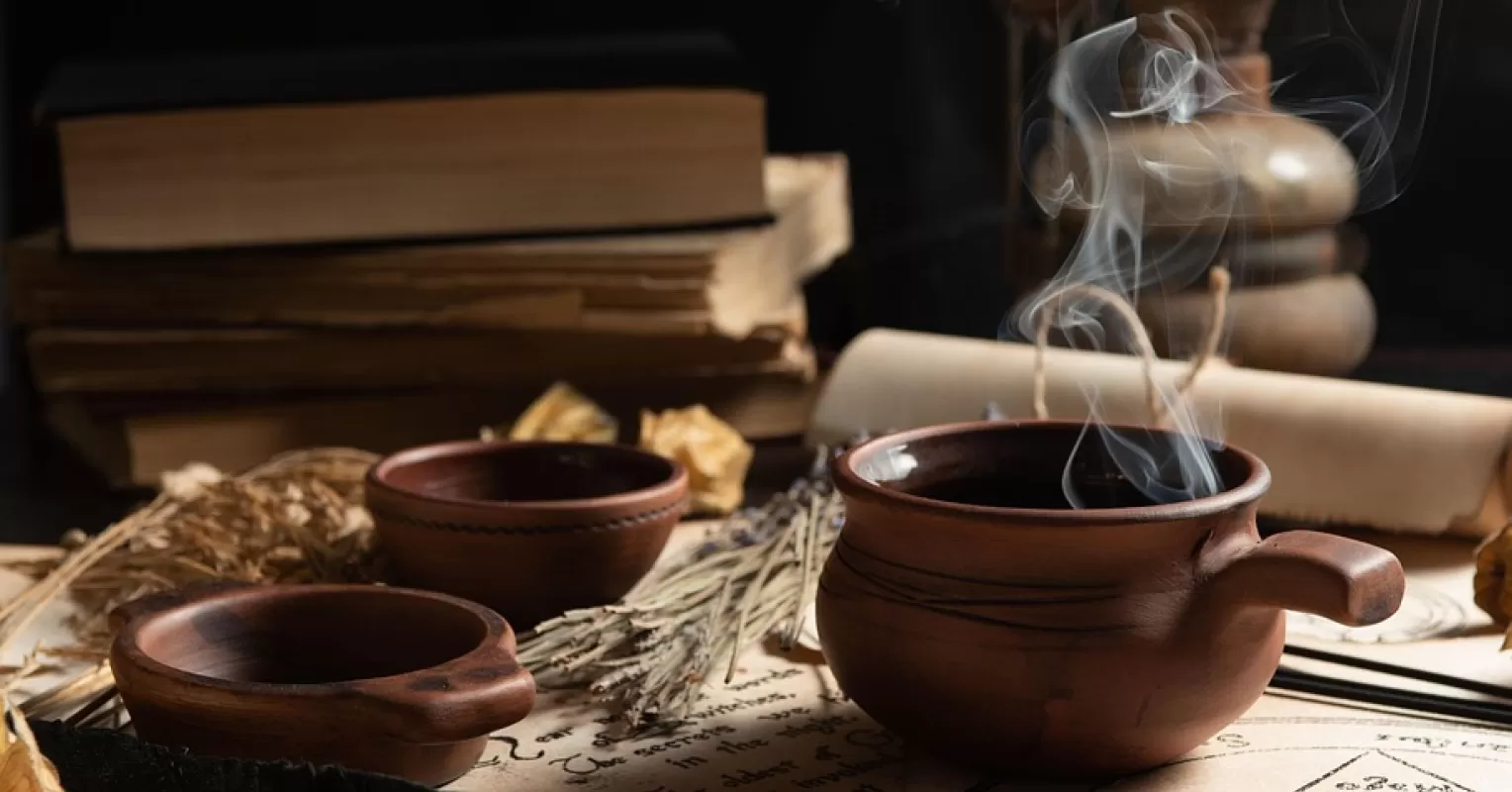
When love rituals start to feel controlling, it can be a perplexing experience that stirs feelings of anxiety and loss of autonomy. These rituals, meant to symbolize affection and deepen connections, can instead create emotional pressure that transforms your relationship dynamics. What once felt like a comforting ritual may begin to resemble a set of unspoken demands, causing individuals to question their feelings and sense of freedom.
Understanding Controlling Love Rituals
When love rituals—like shared songs, date nights, or spiritual practices—shift from joyful expressions of love to sources of emotional pressure, it’s essential to reflect on their underlying meaning. These rituals can become controlling if they generate a sense of obligation or create emotional distress. Rather than enhancing intimacy, they may evolve into expectations that weigh heavily on the relationship, leaving one partner feeling anxious or trapped.
Often, rituals that lack genuine emotional safety can breed feelings of emotional manipulation. This sensation can lead individuals to feel overwhelmed, causing them to evaluate not just the rituals but their desires and the very essence of the relationship itself.
A closely related pattern appears in what does it mean when I feel overwhelmed by my partner’s expectations, which adds more context to this behavior.
The Psychological Dynamics of Love and Control in Rituals
At the heart of controlling love rituals lies a complex interplay between affection and emotional control. What begins as an expression of love can inadvertently become a form of emotional pressure, particularly when one partner navigates their insecurities through rituals. Instead of serving as genuine bonding moments, these rituals may create an illusion of connection, manifesting more as a management technique than a nurturing expression of mutual support.
This dynamic often stems from a deep-seated need for predictability in relationships. When emotional expression becomes intertwined with ritualistic behavior—such as lighting candles during discussions—partners might prioritize these actions over authentic emotional engagement, shifting the nature of their connection from loving to controlling.
A closely related pattern appears in what does it mean when I feel overwhelmed at the thought of contacting estranged family, which adds more context to this behavior.
Cultural Context and the Impact of Love Rituals
The effects of love rituals can vary significantly depending on individual backgrounds and cultural contexts. In some cultures, rituals serve as revered expressions of love and commitment, while in others, they may transform into controlling practices disguised as care. Understanding the intent behind these rituals and the emotional environment of the relationship is crucial. Without clear boundaries, what starts as a gesture of love may devolve into coercive behavior.
For example, if one partner insists on celebrating anniversaries in a certain way or mandates nightly rituals to feel loved, their actions may not arise from concern, but rather from insecurity and controlling tendencies.
A closely related pattern appears in why do I feel emotionally overwhelmed in new relationships, which adds more context to this behavior.
Understanding Misconceptions About Love and Control
While it’s easy to label controlling behaviors as purely malevolent, the reality is often more nuanced, featuring misguided intentions. Many partners believe they’re enhancing their relationship’s emotional richness when, in fact, they might be creating an atmosphere of dependency and pressure. Recognizing this complexity can be a critical step in fostering healthier interactions.
It’s vital to remember that a loving ritual should complement open communication and emotional honesty. If a ritual feels more obligatory than chosen, it might be beneficial to examine its role within the relationship—a candid conversation about each other’s views on these rituals can provide clarity and comfort.
A closely related pattern appears in why do I feel unsafe even when there’s no immediate threat in my relationship, which adds more context to this behavior.
Navigating Love Rituals That Feel Controlling
To better navigate the intricate dynamics of love rituals that seem controlling, consider these strategies: First, acknowledge and explore your feelings of discomfort—what specifically about the ritual feels constraining? Next, promote open dialogue where partners can share their feelings and concerns freely. Lastly, scrutinize the purpose of each ritual; if it fosters genuine connection rather than obligation, it might warrant preservation.
Ultimately, the aim is to cultivate an environment where love is liberating and nurturing rather than burdensome. A healthy relationship should encourage growth, emotional security, and the essential freedom of choice.
A closely related pattern appears in why do I feel overwhelmed by dating apps even when I want to find a relationship, which adds more context to this behavior.
Frequently asked questions
What happens after a love binding spell?
After engaging in a love binding spell, individuals might experience an intensified emotional connection. However, it can also breed feelings of obligation or pressure. It’s crucial to assess whether these sensations reflect genuine affection or a sense of control.
What is controlling love?
Controlling love typically manifests as behaviors that restrict a partner’s freedom, such as imposing specific rituals or actions that create emotional burdens rather than fostering connection.
How to know if a love spell is working?
Indicators that a love spell may be effective often include increased attention or affection. Nonetheless, it’s vital to evaluate whether this attentiveness feels authentic or controlling, prioritizing emotional clarity over displays that could feel obligatory.
Learn more:
About Us |
Editorial Policy |
Content Quality Standards |
Disclaimer