
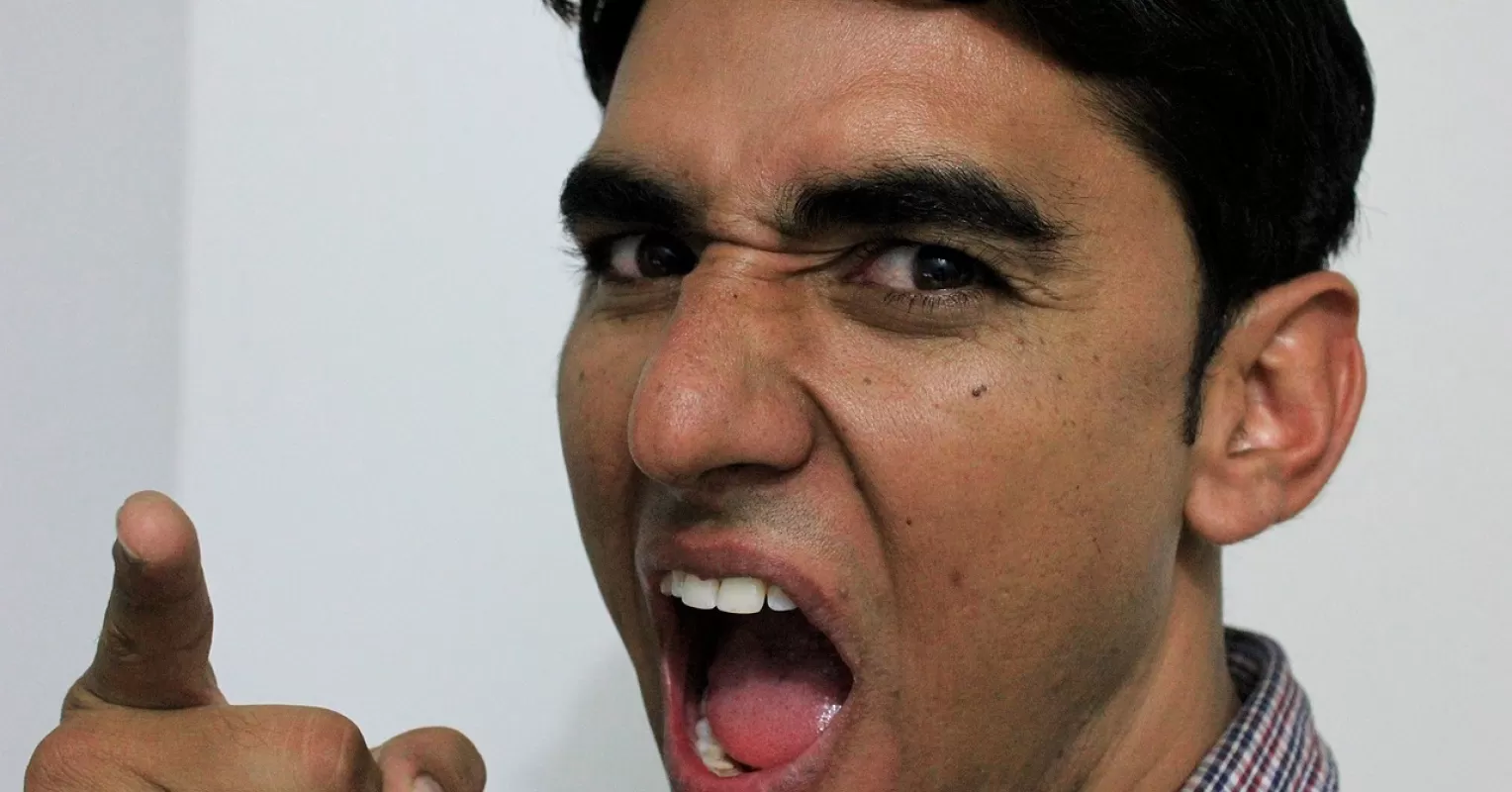
Have you ever found yourself in a situation where your partner gets angry instead of expressing his feelings? It’s confusing and frustrating, especially when you just want to talk. Understanding why this happens can shed light on your relationship dynamics and help you navigate these emotional waters more effectively.
Direct Interpretation of Anger
When a man responds with anger rather than engaging in dialogue about feelings, it can often be a coping mechanism. Many men have been socialized to see anger as a more acceptable emotional response than vulnerability. This doesn’t excuse the behavior but highlights a deeper emotional pattern that may be at play.
In essence, anger can serve as a shield, protecting men from confronting their underlying vulnerabilities like fear or sadness. This emotional masking can create an environment where open communication feels hazardous, not just for him but for both partners.

A closely related pattern appears in what does it mean if I often doubt my feelings in a relationship, which adds more context to this behavior.
Why He May Get Angry
Several reasons may inform why a man reacts with anger instead of verbalizing feelings. Often, it stems from societal pressures that dictate which emotions are acceptable for men to express. Anger has been socially conditioned as a ‘masculine’ emotion, making it a comfortable outlet when faced with stress or discomfort.
Additionally, he may find it challenging to articulate what he is truly feeling. If he feels inadequate or fearful, covering these emotions with anger can be a way to maintain an illusion of strength and control. In many cases, anger can be an automatic, instinctual reaction, even if the real issue lies elsewhere.
A closely related pattern appears in what does it mean when someone disappears after being honest, which adds more context to this behavior.
Different Meanings Depending on Context
Context plays a significant role in understanding the nuances of his anger. For example, if he appears angry during a discussion about your feelings, it might not be about you at all. It could stem from his insecurities or fears that your emotional expression threatens his sense of control or adequacy.
Moreover, the environment can exacerbate feelings of anger. Stress from work or other responsibilities can cause him to react more intensely than if he were in a calm state. Recognizing these factors is vital for framing the conversation in a way that feels safe for both of you.

A closely related pattern appears in what does it mean when my partner is not as interested as before, which adds more context to this behavior.
What Not to Assume Too Quickly
It’s easy to jump to conclusions about a man’s anger, misreading it as a reflection of his feelings towards you or the relationship. However, it’s crucial to remember that anger often masks deeper emotions like fear of failure, fear of rejection, or inadequacy.
Additionally, don’t assume that his anger means he lacks respect or care for you. Many men truly struggle with expressing their emotions and may need time and patience to communicate effectively. Being mindful of these factors can lead to more productive conversations.
A closely related pattern appears in what does it mean when my partner says I am overreacting, which adds more context to this behavior.
How to Understand the Pattern More Clearly
To foster healthier communication, it’s important to encourage him to recognize and articulate his feelings without fear of judgement. Consider setting aside time to talk about emotions when both of you are calm. Use ‘I’ statements to express how his anger affects you, rather than assigning blame.
Creating a safe emotional space can empower him to explore feelings beyond anger, potentially revealing fears or vulnerabilities that could strengthen your relationship further. Over time, this practice can help establish a healthier emotional exchange between you both.
A closely related pattern appears in what does it mean if someone prefers talking to chatbots over friends, which adds more context to this behavior.
Frequently asked questions
What is the biggest red flag in a guy?
One significant red flag can be a consistent pattern of anger in response to constructive criticism or emotional discussions. It often indicates underlying emotional issues that may affect the relationship.
Why does he get angry when I express my feelings?
His anger could stem from discomfort with vulnerability or feeling threatened by your emotional expression. It’s a common reaction among those who are not accustomed to discussing feelings openly.
What makes a man angry in a relationship?
Factors can include feeling inadequate, threatened, or rejected. Often, anger serves as a cover for deeper emotions like fear or insecurity that he is not ready to confront.
Learn more:
About Us |
Editorial Policy |
Content Quality Standards |
Disclaimer