

Do you ever feel torn between wanting to be your own person and needing close connections with others? Understanding whether you’re more independent or interdependent in relationships can clarify a lot about your emotional landscape. It’s confusing, right? One moment you crave solitude and autonomy, while the next, the thought of being alone feels suffocating. Let’s unravel this together.
Understanding Independence vs. Interdependence
At its core, the independence-interdependence spectrum reflects how you define yourself in relation to others. Those leaning towards independence typically see themselves as self-sufficient, prioritizing personal goals and autonomy. On the flip side, interdependent individuals feel a deep psychological connection to others, often prioritizing relationships and communal values.
Realizing where you fall on this spectrum can shed light on your relationship behaviors and emotional needs. Are you often anxious when others rely on you, or do you embrace it as part of life?

A closely related pattern appears in how do I know if I’m overwhelming my partner with my emotions, which adds more context to this behavior.
Signs You Lean Towards Independence
If you find that you often seek solitude and prioritize personal goals, you may lean towards independence. You might have a strong urge to make decisions without consulting others or feel uncomfortable when your plans get derailed by someone else’s needs.
Common indicators of an independent mindset include feeling fulfilled by personal achievements, being hesitant to share personal thoughts and feelings, or finding large social gatherings draining rather than energizing.
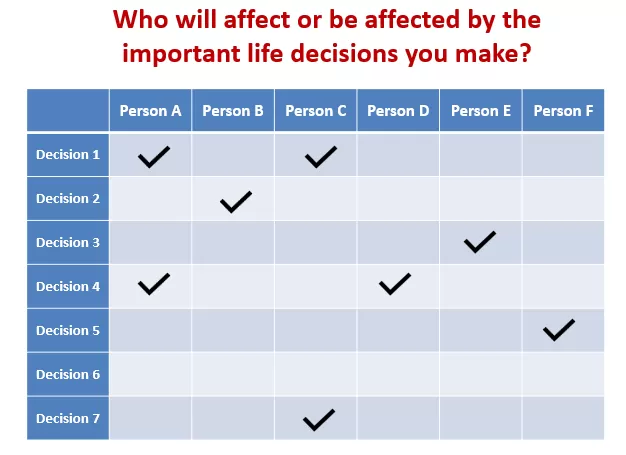
A closely related pattern appears in why do I feel more distant from my partner when things are going well, which adds more context to this behavior.
Signs of Interdependence
If you gain a sense of self from your relationships, you may identify as more interdependent. This means that your self-worth often feels tied to how well your relationships are functioning. You might prioritize others’ needs and well-being over your own, feeling fulfilled when you’re around friends and family.
Key signs of interdependence include seeking advice before making decisions, feeling responsible for how your actions affect others, and deriving joy from shared experiences and emotional closeness.

A closely related pattern appears in why do I feel more attracted to someone when I’m sexually aroused, which adds more context to this behavior.
What Influences Your Position on This Spectrum?
Your position along this independence-interdependence spectrum may be shaped by various factors such as cultural background, upbringing, and life experiences. For instance, individualistic cultures typically encourage independence, while collectivist cultures foster interdependence.
Additionally, personal experiences—like the quality and nature of your relationships—can shift your sense of self. For instance, significant life events, such as a major breakup or the death of a loved one, might cause you to reevaluate how you connect with others.
A closely related pattern appears in why do I notice my partner paying more attention to our pet than me, which adds more context to this behavior.
Next Steps for Self-Reflection
Understanding where you stand in this spectrum can help you navigate your relationships more effectively. You might consider journaling your thoughts or discussing with a trusted friend how you perceive your relationship dynamics.
It could also be beneficial to take a structured self-assessment, such as the Twenty Statements Test, to evaluate whether you primarily define yourself through personal achievements or through relationships with others. Reflecting on this can offer clarity and guide you toward more fulfilling interactions.
A closely related pattern appears in why do compliments sometimes make me feel more isolated in my relationship, which adds more context to this behavior.
Frequently asked questions
What is the 65% rule in relationships?
The 65% rule suggests that for a relationship to be healthy, about 65% of the time should be spent together and enjoying each other’s company. This ratio emphasizes the importance of balance between togetherness and individuality.
What are signs of an interdependent relationship?
Signs of an interdependent relationship include mutual support, shared goals, and open communication. Partners deeply understand and respect each other’s needs while working towards personal and couple goals.
Learn more:
About Us |
Editorial Policy |
Content Quality Standards |
Disclaimer