
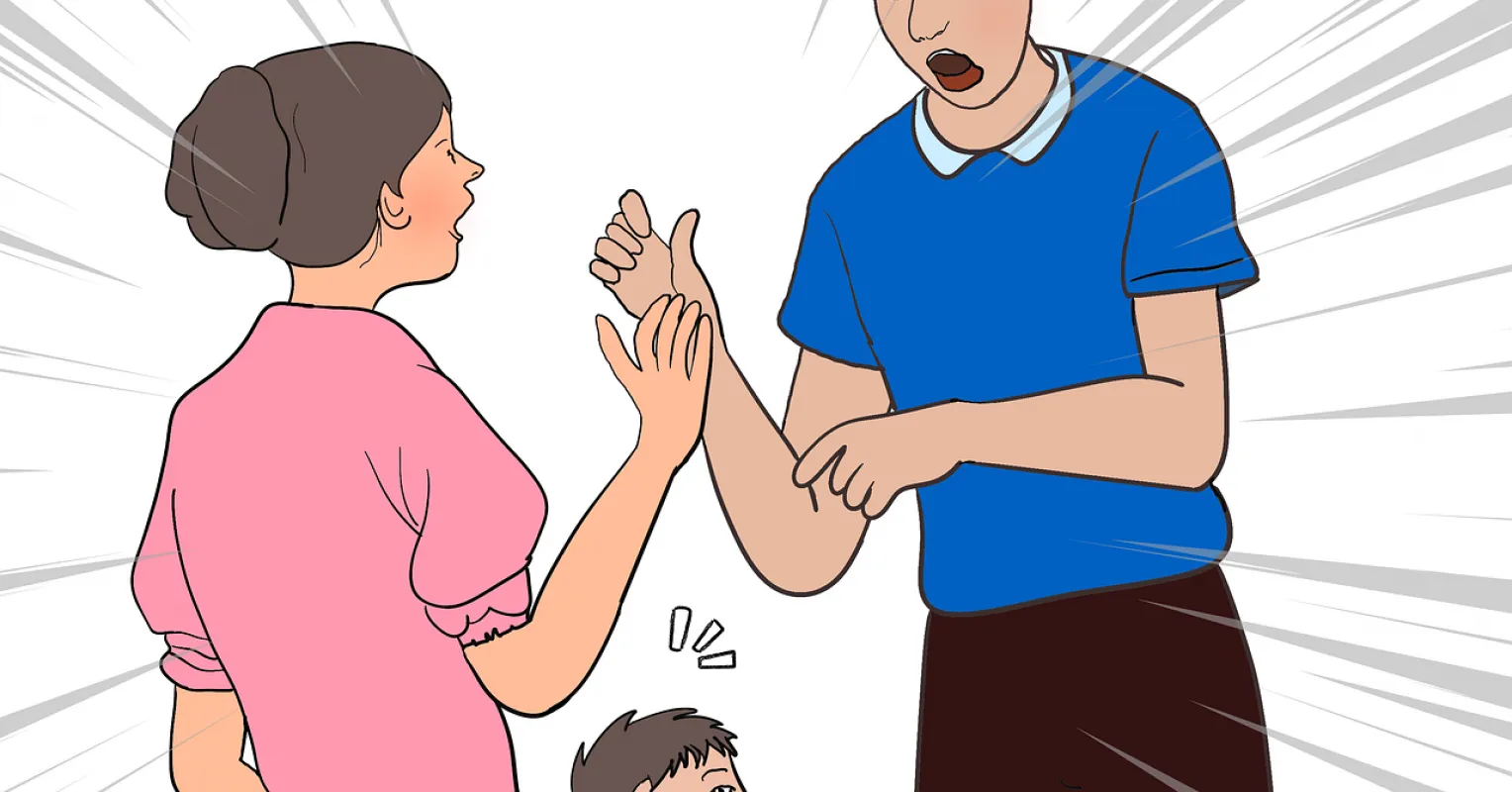
When your partner reacts intensely during arguments, it can leave you feeling perplexed and uncertain about the dynamics of your relationship. These strong emotional responses often stem from deeper underlying issues, making it crucial to explore the reasons behind such intense behavior. Gaining insight into why your partner reacts this way can illuminate unresolved emotional patterns, offering pathways to better communication and understanding.
Decoding Intense Emotional Responses
Intense reactions in conflicts may signal unresolved emotional issues and deeper psychological patterns. Often, when arguments escalate, they are not merely about the disagreement at hand but reflect past traumas or anxieties that resurface in stressful moments. For example, a seemingly simple dispute about chores might create a disproportionate emotional explosion if it triggers feelings of inadequacy rooted in childhood experiences. Recognizing these emotional undercurrents is essential for understanding your partner’s responses.
These heightened reactions typically arise from feelings of insecurity, fears of abandonment, or a history of feeling unheard, which may cause them to react defensively. Approaching these situations with compassion, instead of defensiveness, can lead to more effective communication and help both partners express their needs more constructively.
A closely related pattern appears in why do I react so emotionally during arguments with my partner, which adds more context to this behavior.
Factors Contributing to Emotional Intensity
Emotional intensity during conflicts can be influenced by several factors, including attachment styles developed during childhood, previous relationship traumas, or perhaps mental health conditions. When someone perceives an argument as a threat, their emotional system may escalate the response, leading to reactions that seem overwhelming and disproportionate to the situation. For instance, if one partner has experienced neglect in past relationships, they may react more strongly to perceived criticism during disagreements.
Moreover, the context in which arguments occur significantly impacts emotional responses. A pattern of unresolved conflicts can condition partners to escalate discussions, trapping them in a cycle of heightened tension. For example, if previous discussions have devolved into heated exchanges, both partners may subconsciously anticipate a similar outcome, further intensifying their current interactions.
A closely related pattern appears in why does my partner always seem to play the victim in arguments, which adds more context to this behavior.
Examining the Context of Arguments
Context is crucial in interpreting emotional responses. Reflect on what led up to the disagreement: Was there existing tension or stressors that augmented your partner’s reaction? For instance, if they faced pressure at work or have been grappling with personal issues, a minor disagreement can feel overwhelmingly significant, aggravating their emotional intensity.
Timing also plays a role. If your partner is already emotionally fragile, even trivial disagreements can trigger significant reactions. This understanding highlights the importance of patience and empathy during tumultuous moments, allowing both partners to recalibrate their emotional responses before engaging in further discussion.
A closely related pattern appears in why do arguments escalate in relationships despite love, which adds more context to this behavior.
Avoiding Misinterpretations of Emotional Responses
It’s common to misinterpret your partner’s intense responses as simple immaturity or an attempt to control the argument. Such assumptions can exacerbate misunderstandings and foster disconnection. Instead, consider that their reactions may stem from deep-seated fears or past experiences that you might not fully grasp. Engaging in an open and gentle conversation about their feelings can illuminate these hidden dynamics and pave the way for healing.
For instance, asking your partner about what triggers their emotional responses can help clarify misunderstandings rather than labeling their behavior. Creating a safe space for discussion can foster deeper connection and insight into their emotional landscape.
A closely related pattern appears in what does it mean when arguments don’t hurt a relationship, which adds more context to this behavior.
Strategies for Better Communication During Conflicts
To promote healthier dialogue during intense confrontations, it’s beneficial to establish clear boundaries around arguments. Agreeing to take a break if emotions escalate can provide both partners with the opportunity to step back, reflect, and approach the conversation with a calmer mindset. This approach allows for a more productive exchange, where both partners can communicate their feelings without the heat of immediate reactions.
In addition, practicing active listening and validating each other’s feelings can cultivate a safer environment for discussing sensitive issues. By showing that you truly understand and acknowledge your partner’s emotions, they may be more willing to engage openly and less likely to respond with heightened intensity in the future.
A closely related pattern appears in why do we struggle to compromise in our relationship arguments, which adds more context to this behavior.
Frequently asked questions
What are some common triggers for intense reactions in relationships?
Common triggers may include feelings of abandonment, criticism, or any situation that invokes past traumas or insecurities. Recognizing these triggers can help both partners manage their responses better.
How can we improve communication during arguments?
Establishing a ‘pause’ strategy where you agree to take breaks if emotions flare, practicing active listening, and using ‘I’ statements can facilitate healthier communication.
Learn more:
About Us |
Editorial Policy |
Content Quality Standards |
Disclaimer